
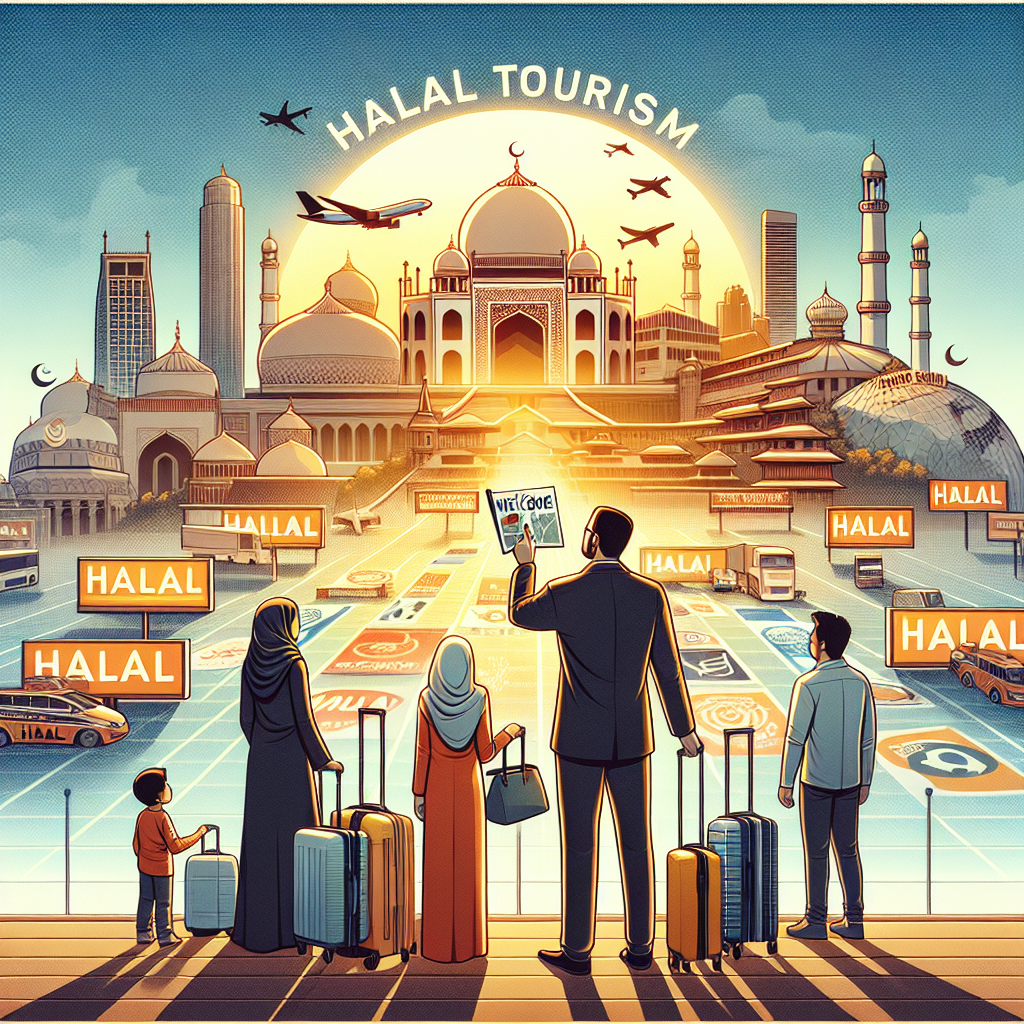
From Niche to Norm: The Rise of Halal Tourism in the Global Travel Industry


From Niche to Norm: The Rise of Halal Tourism in the Global Travel Industry
Introduction to Halal Tourism
Halal tourism, once a niche market, is rapidly becoming a mainstream segment in the global travel industry. Catering to the needs of Muslim travelers, this sector emphasizes compliance with Islamic principles, offering services and experiences that align with religious beliefs.
Key Drivers of Growth
- Increasing Muslim Population: The global Muslim population is projected to grow, driving demand for halal-friendly travel options.
- Rising Disposable Income: Economic growth in Muslim-majority countries has increased disposable income, enabling more travel.
- Awareness and Accessibility: Enhanced awareness and accessibility of halal services have made it easier for travelers to find suitable options.
Features of Halal Tourism
- Halal Food: Availability of halal-certified food options is a primary requirement.
- Prayer Facilities: Access to prayer rooms and mosques is essential for observant travelers.
- Family-Friendly Environment: Emphasis on family-oriented activities and accommodations.
Impact on the Travel Industry
The rise of halal tourism is prompting travel companies to adapt their offerings, ensuring inclusivity and cultural sensitivity. This shift is not only beneficial for Muslim travelers but also enriches the global travel landscape by promoting diversity.



Conclusion
Halal tourism’s transition from niche to norm highlights the evolving dynamics of the travel industry. As demand continues to grow, businesses that embrace this trend stand to gain a competitive edge, fostering a more inclusive and diverse travel experience for all.