The Impact of Executive Orders on Presidential Authority


The Impact of Executive Orders on Presidential Authority
Understanding Executive Orders
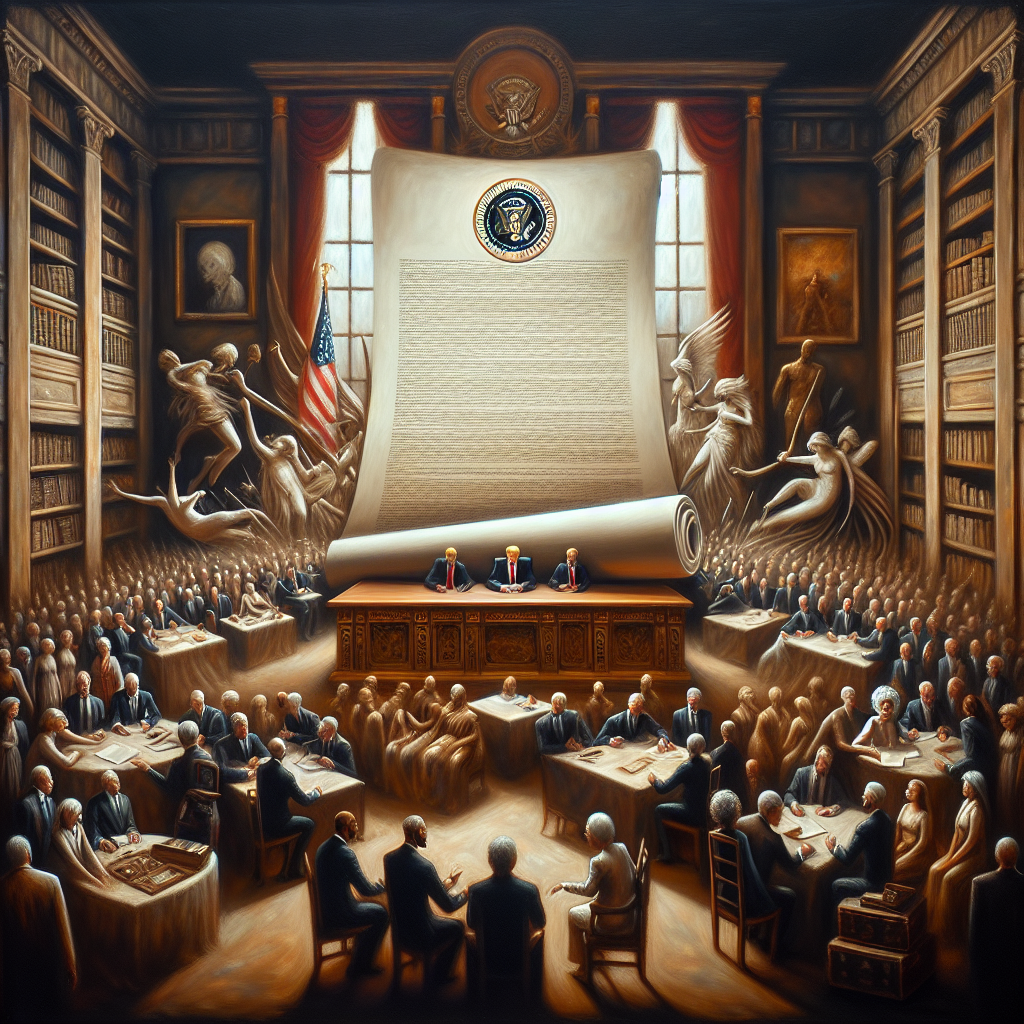
Executive orders are directives issued by the President of the United States to manage operations within the federal government. They hold significant power, allowing presidents to enact policy changes without the need for congressional approval.
Key Impacts on Presidential Authority
- Policy Implementation: Executive orders enable swift policy implementation, bypassing lengthy legislative processes.
- Expansion of Power: They can expand presidential authority, often leading to debates over the balance of power between branches of government.
- Legal Challenges: Executive orders are subject to judicial review and can be challenged in courts, potentially limiting their effectiveness.
Historical Context and Trends
Historically, presidents have used executive orders to address urgent issues, from civil rights to national security. The frequency and scope of these orders often reflect the political climate and the president’s agenda.



Contemporary Implications
In recent years, executive orders have become a tool for addressing divisive issues, highlighting the tension between executive action and legislative oversight. This trend underscores the ongoing debate over the appropriate use of executive power.
Conclusion
Executive orders significantly impact presidential authority by enabling rapid policy changes and expanding executive power. However, they also invite legal scrutiny and raise questions about the balance of power in the U.S. government. Understanding their role is crucial for comprehending the dynamics of American political governance.