Literature’s Influence During War: Insights from Fatima Bhutto & Ahmed Masoud


Literature’s Influence During War: Insights from Fatima Bhutto & Ahmed Masoud
Introduction
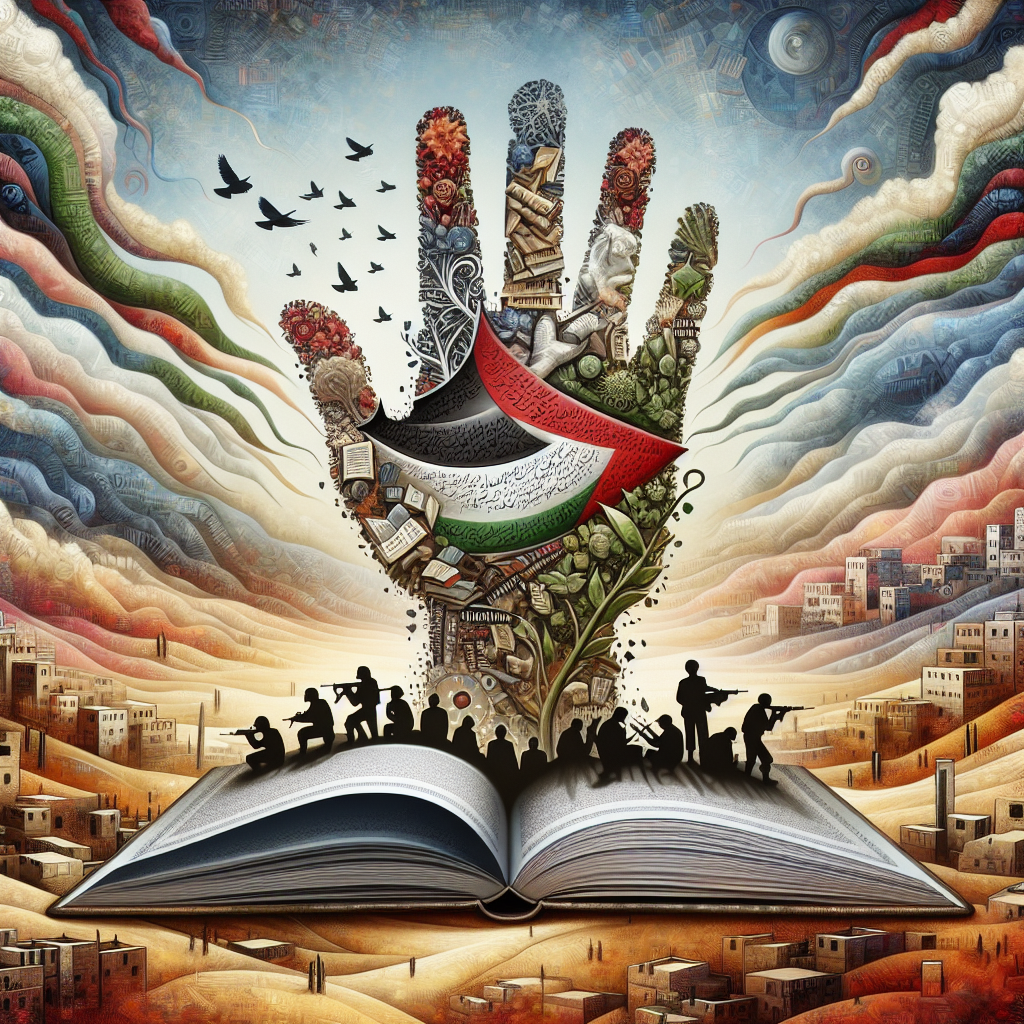
In a compelling discussion, authors Fatima Bhutto and Ahmed Masoud explore the profound impact of literature during times of war. Their insights reveal how storytelling becomes a powerful tool for resistance, empathy, and understanding amidst conflict.
The Role of Literature in War
- Resistance and Resilience: Literature serves as a form of resistance, offering a voice to the voiceless and preserving cultural identity.
- Empathy and Connection: Stories foster empathy, bridging gaps between diverse experiences and humanizing the impacts of war.
- Historical Documentation: Literature acts as a historical record, capturing the nuances of conflict that are often overlooked in mainstream narratives.
Insights from Bhutto and Masoud
Fatima Bhutto emphasizes the transformative power of literature in shaping public perception and inspiring change. Ahmed Masoud highlights the role of storytelling in healing and rebuilding communities post-conflict.
Ads

Ads

Ads

Conclusion
Bhutto and Masoud’s insights underscore literature’s vital role in wartime, offering resistance, fostering empathy, and documenting history. Their perspectives remind us of the enduring power of stories to influence and inspire even in the darkest times.
Ads

Ads

Ads

Ads

Ads

Ads

Ads

Ads

Ads

Ads

Ads

Ads

Ads

Ads

Ads

Ads

Ads

Ads

Ads

Ads

Ads

Ads