
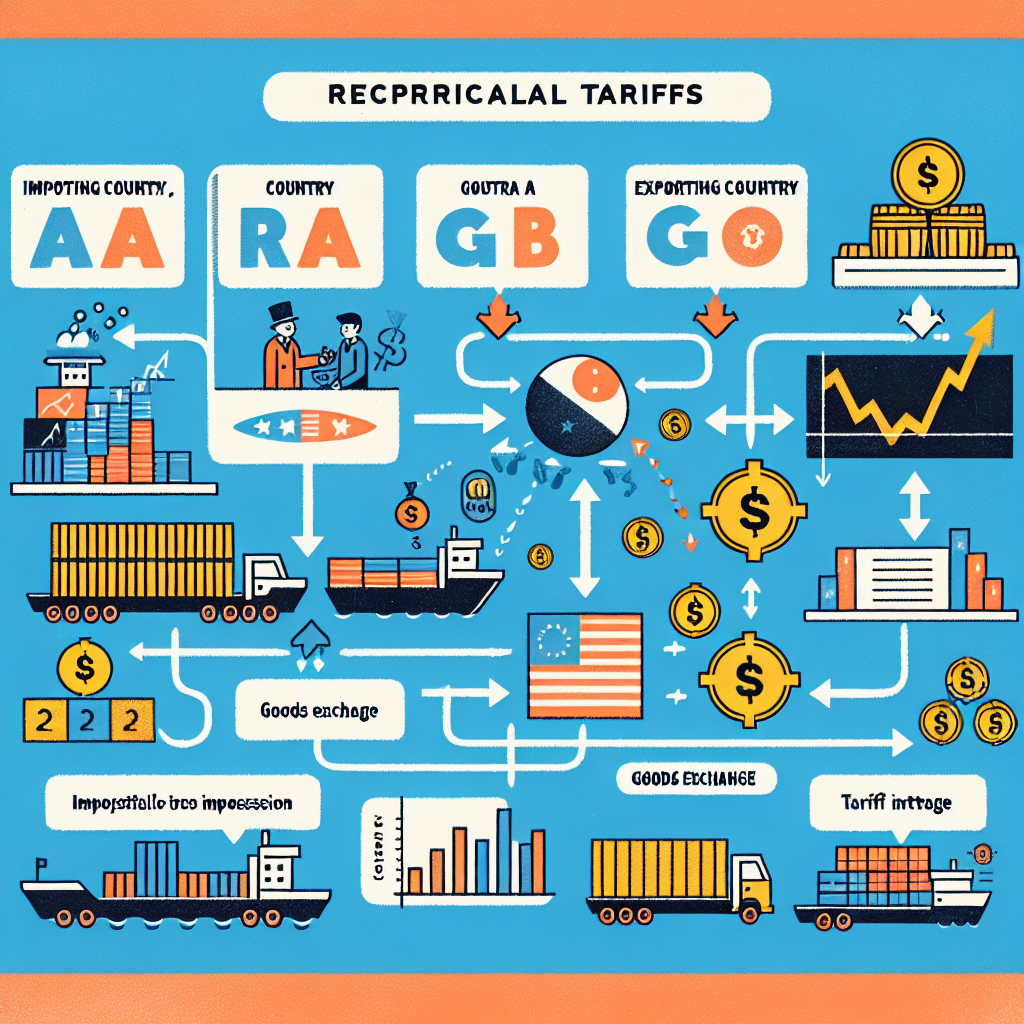
Understanding Reciprocal Tariffs and Their Potential Impact


Understanding Reciprocal Tariffs and Their Potential Impact
What Are Reciprocal Tariffs?
Reciprocal tariffs are trade policies where countries impose equivalent tariffs on each other’s goods. This approach aims to create a balanced trade environment by ensuring that trading partners face similar tariff barriers.
Key Features of Reciprocal Tariffs
- Encourages fair trade practices by leveling the playing field.
- Can be used as a strategic tool in trade negotiations.
- May lead to increased diplomatic tensions if not managed carefully.
Potential Economic Impacts
The implementation of reciprocal tariffs can have significant economic implications:
Ads

Ads

Ads

- Positive Effects: Protects domestic industries and can lead to job creation.
- Negative Effects: May increase consumer prices and reduce the variety of available goods.
- Global Trade Dynamics: Could lead to trade wars if countries retaliate excessively.
Conclusion
Reciprocal tariffs are a double-edged sword in international trade. While they can promote fairness and protect local industries, they also risk escalating trade tensions and impacting global economic stability. Policymakers must weigh these factors carefully to harness the benefits while mitigating potential downsides.
Ads

Ads

Ads

Ads

Ads

Ads

Ads

Ads

Ads

Ads

Ads

Ads

Ads

Ads

Ads

Ads

Ads

Ads

Ads

Ads

Ads

Ads

Ads

Ads

Ads