Unveiling the Secret Behind the Durability of Ancient Roman Concrete


Unveiling the Secret Behind the Durability of Ancient Roman Concrete
Introduction
For centuries, the resilience of ancient Roman concrete has puzzled scientists and engineers. Recent research has finally shed light on the unique composition and techniques that contributed to its remarkable durability.
Key Insights
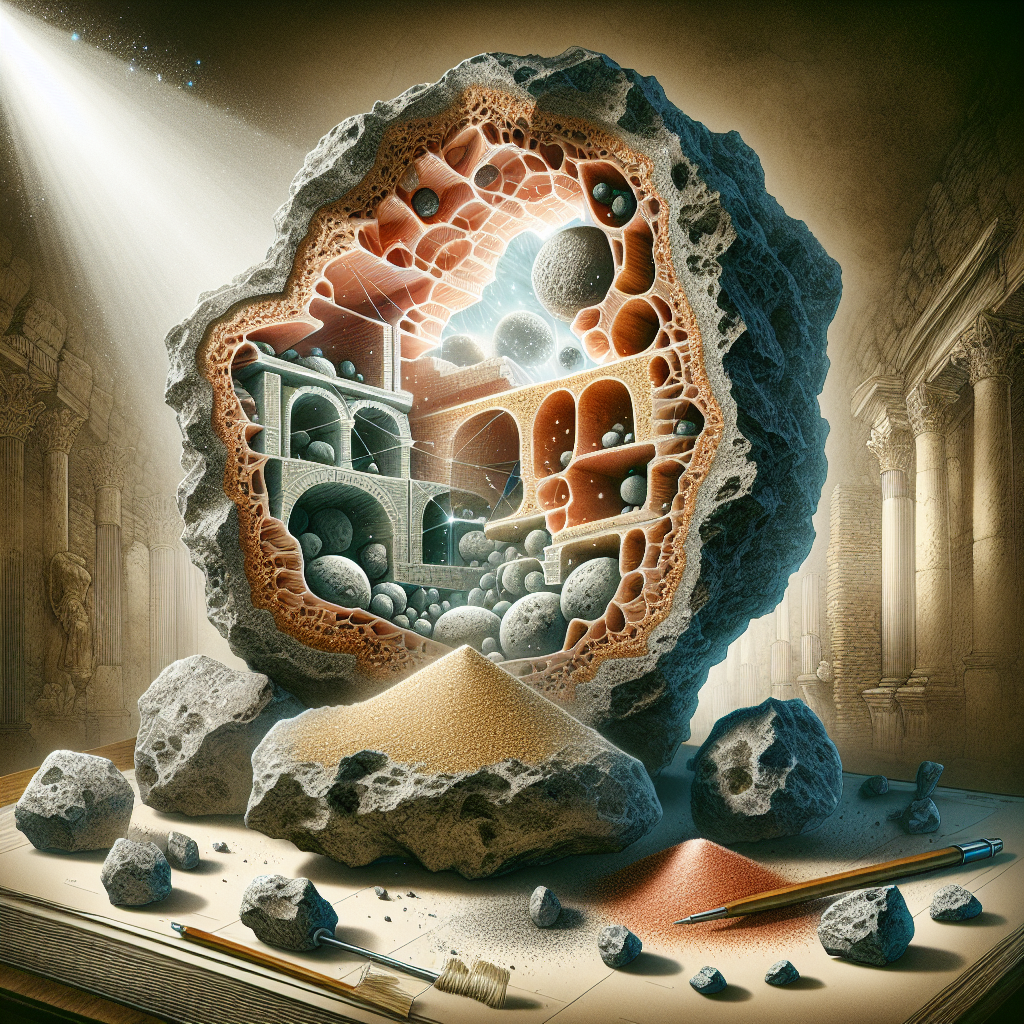
- Unique Composition: Roman concrete, known as opus caementicium, primarily used volcanic ash, lime, and seawater, which contributed to its long-lasting nature.
- Self-Healing Properties: The presence of volcanic ash allowed the concrete to undergo a chemical reaction with seawater, forming new minerals that filled cracks over time.
- Environmental Benefits: The production of Roman concrete was less energy-intensive compared to modern Portland cement, offering a more sustainable alternative.
Modern Implications
Understanding the ancient techniques can revolutionize modern construction by inspiring more durable and environmentally friendly building materials.
Ads

Ads

Ads

Conclusion
The secret behind the durability of ancient Roman concrete lies in its unique composition and self-healing properties. By revisiting these ancient methods, modern construction can benefit from more sustainable and resilient materials, potentially transforming the industry.
Ads

Ads

Ads

Ads

Ads

Ads

Ads

Ads

Ads

Ads

Ads

Ads

Ads

Ads

Ads

Ads

Ads

Ads

Ads

Ads

Ads

Ads

Ads

Ads

Ads