Economic Impact of Three Years of the Russia-Ukraine Conflict


Economic Impact of Three Years of the Russia-Ukraine Conflict
Introduction
The ongoing conflict between Russia and Ukraine has significantly reshaped the economic landscape in both countries and beyond. This summary explores the multifaceted economic repercussions of the three-year-long conflict, highlighting key areas of impact and providing insights into the broader global implications.
Key Economic Consequences
Disruption of Trade
-
Trade routes have been severely disrupted, affecting the flow of goods and services between Russia, Ukraine, and their trading partners.
-
Sanctions imposed by Western countries have further strained economic relations and limited market access.
Energy Sector Challenges
-
Ukraine’s energy infrastructure has suffered significant damage, leading to energy shortages and increased reliance on imports.
-
Russia’s energy exports have faced hurdles due to sanctions, impacting its revenue and global energy markets.
Inflation and Currency Instability
-
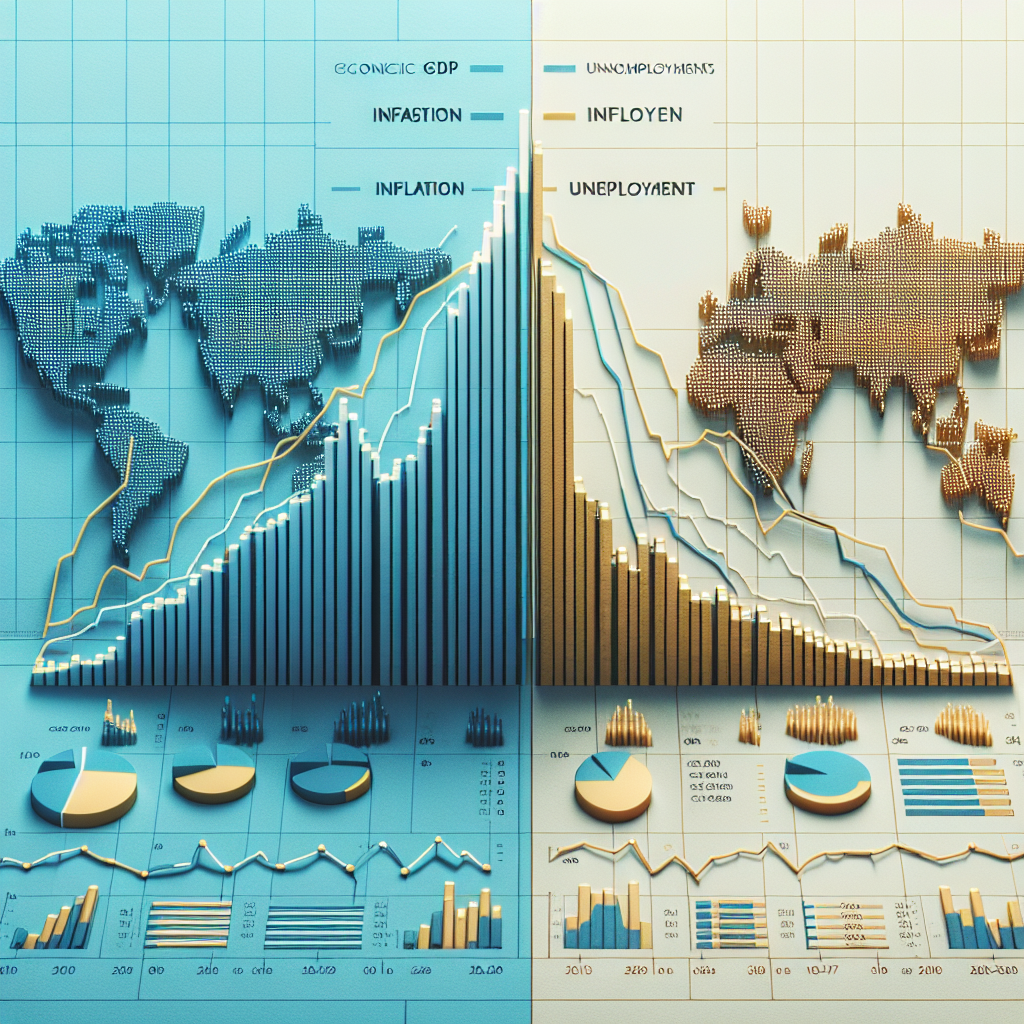
Both countries have experienced heightened inflation rates, eroding purchasing power and increasing the cost of living.
-
Currency instability has been a persistent issue, with both the Russian ruble and Ukrainian hryvnia experiencing volatility.
Global Economic Implications
Impact on Global Markets
-
The conflict has contributed to global market volatility, affecting investor confidence and leading to fluctuations in stock markets.
-
Supply chain disruptions have had ripple effects, impacting industries worldwide.
Geopolitical Shifts
-
The conflict has prompted shifts in geopolitical alliances, influencing global trade policies and economic partnerships.
-
Countries are reassessing their energy dependencies and exploring alternative sources to mitigate risks.
Conclusion
The Russia-Ukraine conflict has had profound economic impacts, both regionally and globally. Key challenges include disrupted trade, energy sector difficulties, inflation, and currency instability. The conflict has also influenced global markets and geopolitical dynamics, prompting countries to adapt to a rapidly changing economic environment. As the situation continues to evolve, the long-term economic consequences remain uncertain, necessitating ongoing analysis and strategic planning.