Africa’s Largest Dry Woodland: A Forest the Size of Mexico


Africa’s Largest Dry Woodland: A Forest the Size of Mexico
Introduction to the Woodland Wonder
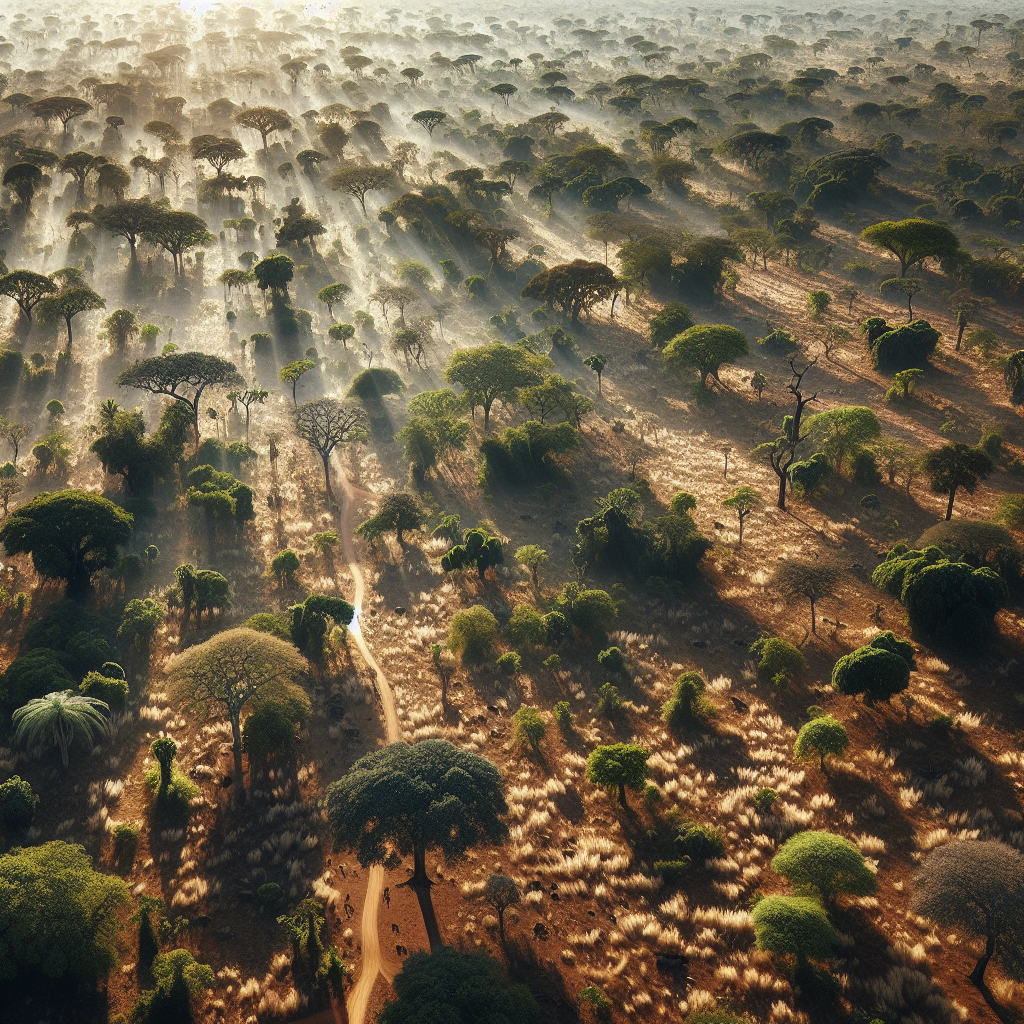
Africa is home to a remarkable natural treasure: the continent’s largest dry woodland, which spans an area comparable to the size of Mexico. This vast forest is not only a critical ecological asset but also a vital resource for the communities and wildlife that depend on it.
Ecological Significance
The dry woodland plays a crucial role in maintaining ecological balance and supporting biodiversity. Key features include:



- Home to a diverse range of flora and fauna, including several endemic species.
- Acts as a carbon sink, helping to mitigate climate change impacts.
- Supports water cycles and soil conservation, crucial for agriculture and local livelihoods.
Human and Economic Impact
The forest is not just an ecological marvel but also a cornerstone for human survival and economic activities:
- Provides resources such as timber, medicinal plants, and food.
- Supports local economies through sustainable forestry and tourism.
- Serves as a cultural and spiritual site for indigenous communities.
Challenges and Conservation Efforts
Despite its importance, the dry woodland faces numerous threats that require urgent attention:




- Deforestation due to agricultural expansion and illegal logging.
- Climate change exacerbating droughts and altering ecosystems.
- Conservation initiatives are underway, focusing on sustainable management and community involvement.
Conclusion
Africa’s largest dry woodland is a natural wonder of immense ecological and economic value. Protecting this forest is crucial for preserving biodiversity, supporting local communities, and combating climate change. Collaborative conservation efforts are essential to ensure its survival for future generations.