Many Indians in the US Face Anxiety Over Potential “Self-Deportation”


Many Indians in the US Face Anxiety Over Potential “Self-Deportation”
Introduction
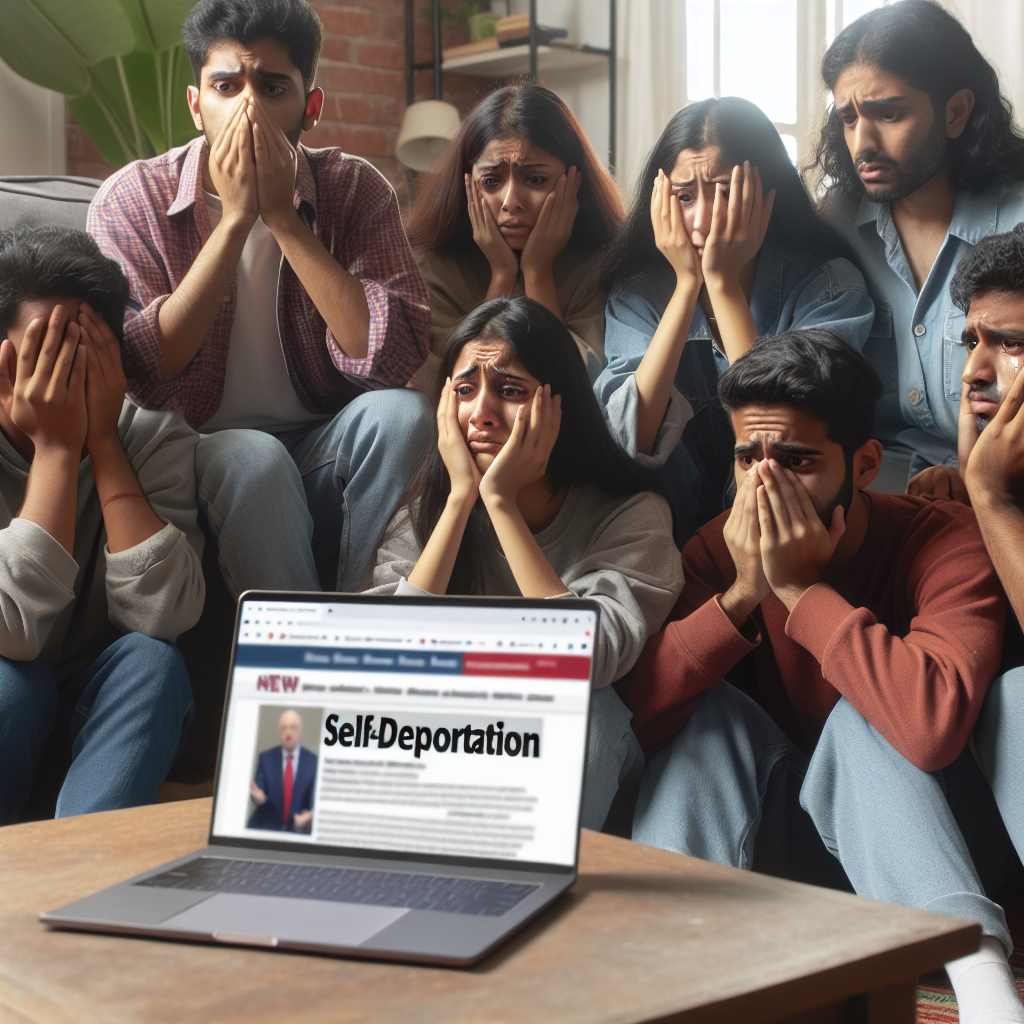
Amidst evolving immigration policies in the United States, a significant number of Indian nationals are experiencing heightened anxiety over the possibility of “self-deportation.” This term refers to the voluntary departure of immigrants due to restrictive legal and social environments.
Key Concerns
- Visa Uncertainty: Many Indians are on temporary work visas, such as H-1B, which are subject to stringent renewal processes and potential policy changes.
- Green Card Backlog: The lengthy wait times for green card approvals exacerbate the uncertainty, with some waiting decades for permanent residency.
- Policy Changes: Recent shifts in immigration policies have created an unpredictable environment, causing distress among immigrant communities.
Impact on Families
The anxiety extends beyond individuals to affect entire families, with concerns about:



- Children’s Education: Uncertainty about the future can disrupt children’s education and social stability.
- Family Separation: Potential deportation or voluntary departure could lead to families being split across countries.
Community Response
Indian communities and advocacy groups are actively seeking solutions and support through:

- Legal Assistance: Providing legal aid and guidance to navigate complex immigration processes.
- Advocacy Efforts: Lobbying for policy reforms to address visa and green card backlogs.
- Support Networks: Establishing community networks to offer emotional and practical support.
Conclusion
The anxiety over potential “self-deportation” among Indians in the US highlights the broader challenges faced by immigrant communities under shifting immigration policies. Addressing these concerns requires comprehensive policy reforms and robust community support systems to ensure stability and security for affected individuals and families.