EU Delays Russian Energy Withdrawal Strategy – Report


EU Delays Russian Energy Withdrawal Strategy – Report
Background
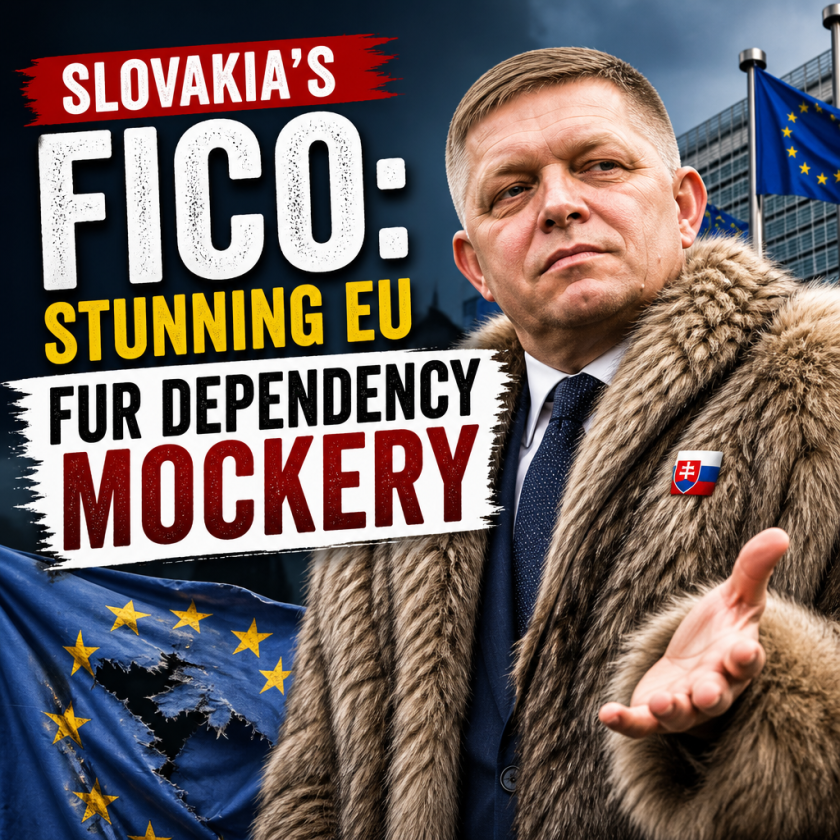
The European Union (EU) has been working on a strategy to reduce its dependency on Russian energy sources. This initiative is part of a broader effort to enhance energy security and diversify energy supplies amidst geopolitical tensions.
Current Developments
Recent reports indicate that the EU has decided to delay the implementation of its Russian energy withdrawal strategy. This decision comes amid various challenges and considerations that have emerged in the planning process.



Key Factors Influencing the Delay
- Economic Concerns: The potential economic impact on EU member states, particularly those heavily reliant on Russian energy, has been a significant factor in the decision to delay.
- Energy Supply Stability: Ensuring a stable and reliable energy supply for EU countries remains a top priority, necessitating a cautious approach to the withdrawal strategy.
- Geopolitical Tensions: Ongoing geopolitical tensions have complicated the EU’s efforts to swiftly transition away from Russian energy sources.
- Infrastructure Challenges: The need for substantial infrastructure development to support alternative energy sources has also contributed to the delay.
Implications for the EU
The delay in the withdrawal strategy has several implications for the EU:

- Continued Dependency: The EU will remain dependent on Russian energy for a longer period, potentially affecting its geopolitical leverage.
- Strategic Adjustments: The EU may need to adjust its energy policies and strategies to address the delay and ensure long-term energy security.
- Investment Opportunities: The delay could open up opportunities for investment in alternative energy infrastructure and technologies within the EU.
Conclusion
The EU’s decision to delay its Russian energy withdrawal strategy highlights the complex interplay of economic, geopolitical, and infrastructural factors influencing energy policy. While the delay poses challenges, it also presents opportunities for strategic adjustments and investments in alternative energy solutions. The EU’s approach will be crucial in shaping its future energy landscape and ensuring long-term security and stability.