Unraveling the Causes of Sri Lanka’s Crises


Unraveling the Causes of Sri Lanka’s Crises
Introduction
Sri Lanka, an island nation in South Asia, has been grappling with a series of crises that have significantly impacted its economy and society. Understanding the root causes of these challenges is crucial for developing effective solutions and ensuring a stable future for the country.
Economic Turmoil
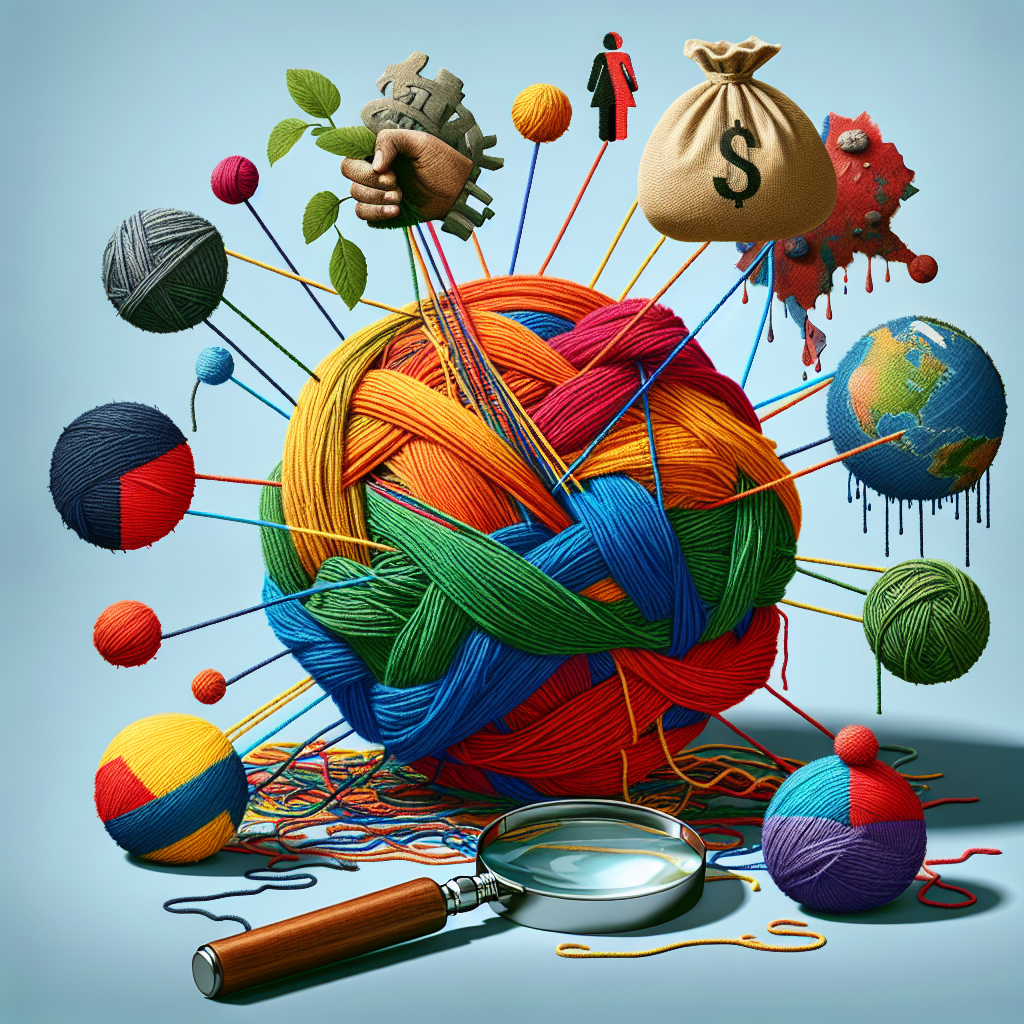
The economic challenges facing Sri Lanka are multifaceted and have been exacerbated by both internal and external factors. Key issues include:



- Debt Burden: Sri Lanka’s heavy reliance on foreign loans has led to a crippling debt crisis, with significant portions of its revenue dedicated to debt servicing.
- Currency Devaluation: The Sri Lankan rupee has faced severe devaluation, leading to increased import costs and inflation.
- Tourism Decline: Once a major revenue source, the tourism sector has suffered due to global events and local instability.
Political Instability
Political factors have also played a significant role in Sri Lanka’s crises. These include:

- Governance Issues: Frequent changes in government and policy inconsistency have hindered long-term planning and development.
- Corruption: Widespread corruption has eroded public trust and diverted resources away from essential services.
- Ethnic Tensions: Historical ethnic conflicts continue to influence political dynamics and social cohesion.
Environmental Challenges
Sri Lanka’s environmental issues further compound its crises, with significant impacts on agriculture and livelihoods:




- Climate Change: Increasingly erratic weather patterns have affected agricultural productivity and food security.
- Deforestation: Rapid deforestation has led to environmental degradation and increased vulnerability to natural disasters.
Conclusion
Sri Lanka’s crises are the result of a complex interplay of economic, political, and environmental factors. Addressing these challenges requires a comprehensive approach that includes debt restructuring, political reform, and sustainable environmental practices. By tackling these issues head-on, Sri Lanka can pave the way for a more stable and prosperous future.