India Backs Mauritius in Chagos Islands Dispute


India Backs Mauritius in Chagos Islands Dispute
Background of the Dispute
The Chagos Islands, a group of islands in the Indian Ocean, have been at the center of a long-standing territorial dispute between the United Kingdom and Mauritius. The islands were separated from Mauritius by the UK in 1965, prior to Mauritius gaining independence in 1968. The UK has maintained control over the islands, using them primarily for military purposes, notably leasing Diego Garcia to the United States for a military base.
India’s Support for Mauritius
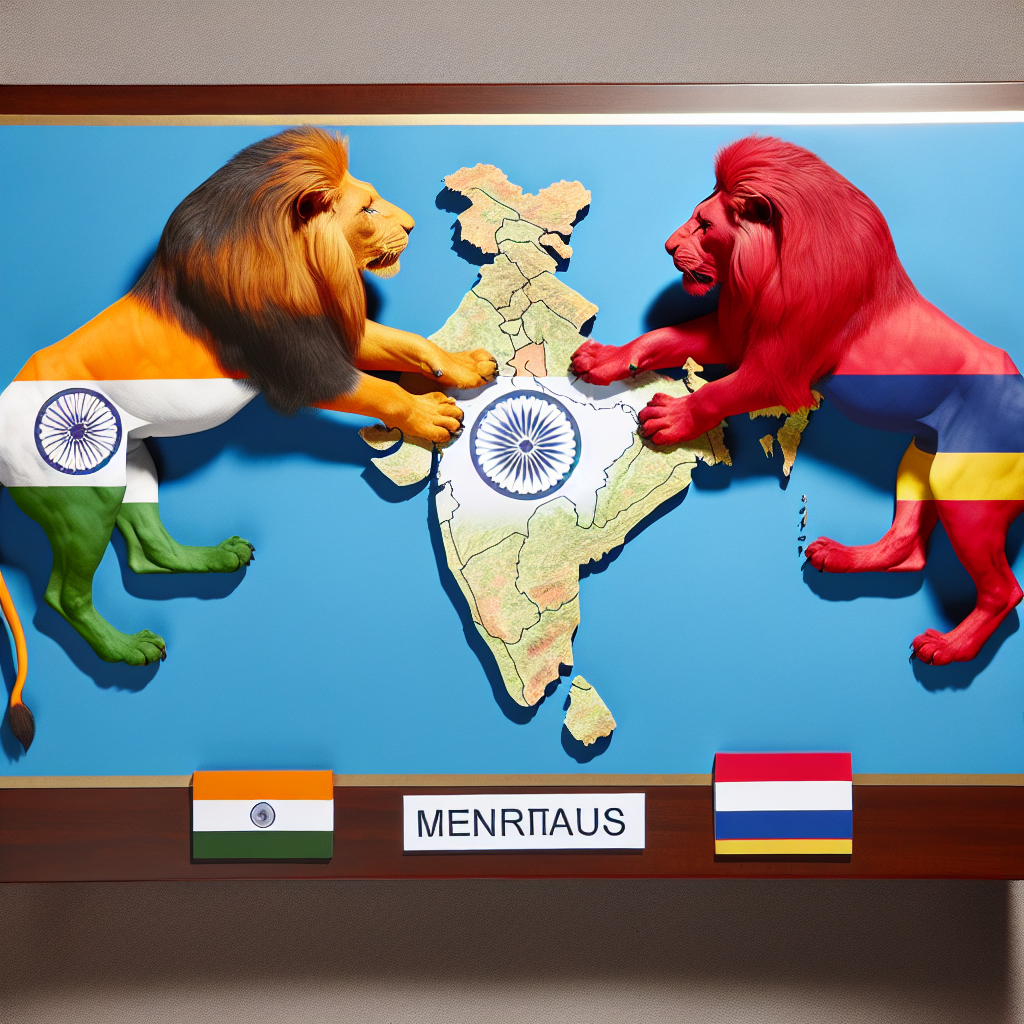
India has officially expressed its support for Mauritius in the Chagos Islands dispute, aligning with Mauritius’ claim over the territory. This move is significant in the geopolitical landscape, as it reflects India’s strategic interests and its commitment to decolonization efforts.



- India’s support is rooted in historical ties and shared colonial past with Mauritius.
- The backing aligns with India’s broader foreign policy of supporting decolonization and sovereignty of nations.
- India’s stance is also influenced by its strategic interests in the Indian Ocean region.
International Reactions and Implications
The dispute has garnered international attention, with the International Court of Justice (ICJ) advising in 2019 that the UK should return the islands to Mauritius. The United Nations General Assembly also passed a resolution supporting the ICJ’s advisory opinion. India’s support adds weight to Mauritius’ claim and could influence future diplomatic negotiations.
- The UK has faced increasing pressure to resolve the dispute in favor of Mauritius.
- India’s involvement may encourage other nations to take a stance on the issue.
- The resolution of this dispute could set a precedent for other territorial conflicts.
Conclusion
India’s backing of Mauritius in the Chagos Islands dispute underscores its commitment to decolonization and regional stability. This support not only strengthens bilateral relations between India and Mauritius but also positions India as a key player in the Indian Ocean’s geopolitical dynamics. The outcome of this dispute could have far-reaching implications for international law and territorial sovereignty.