Microplastics Threaten Plant Life, 400 Million Face Starvation in 20 Years: Study


Microplastics and Starvation: A Looming Crisis
The Growing Threat of Microplastics
Microplastics, tiny plastic particles less than 5mm in size, are increasingly being recognized as a significant environmental threat. These particles are not only polluting oceans and waterways but are now also found to be affecting terrestrial ecosystems, particularly plant life.
Impact on Plant Life
- Microplastics can alter soil properties, affecting water retention and nutrient availability.
- They can hinder plant growth by blocking root development and reducing photosynthesis efficiency.
- Long-term exposure to microplastics may lead to reduced agricultural productivity.
Starvation Risk for 400 Million People
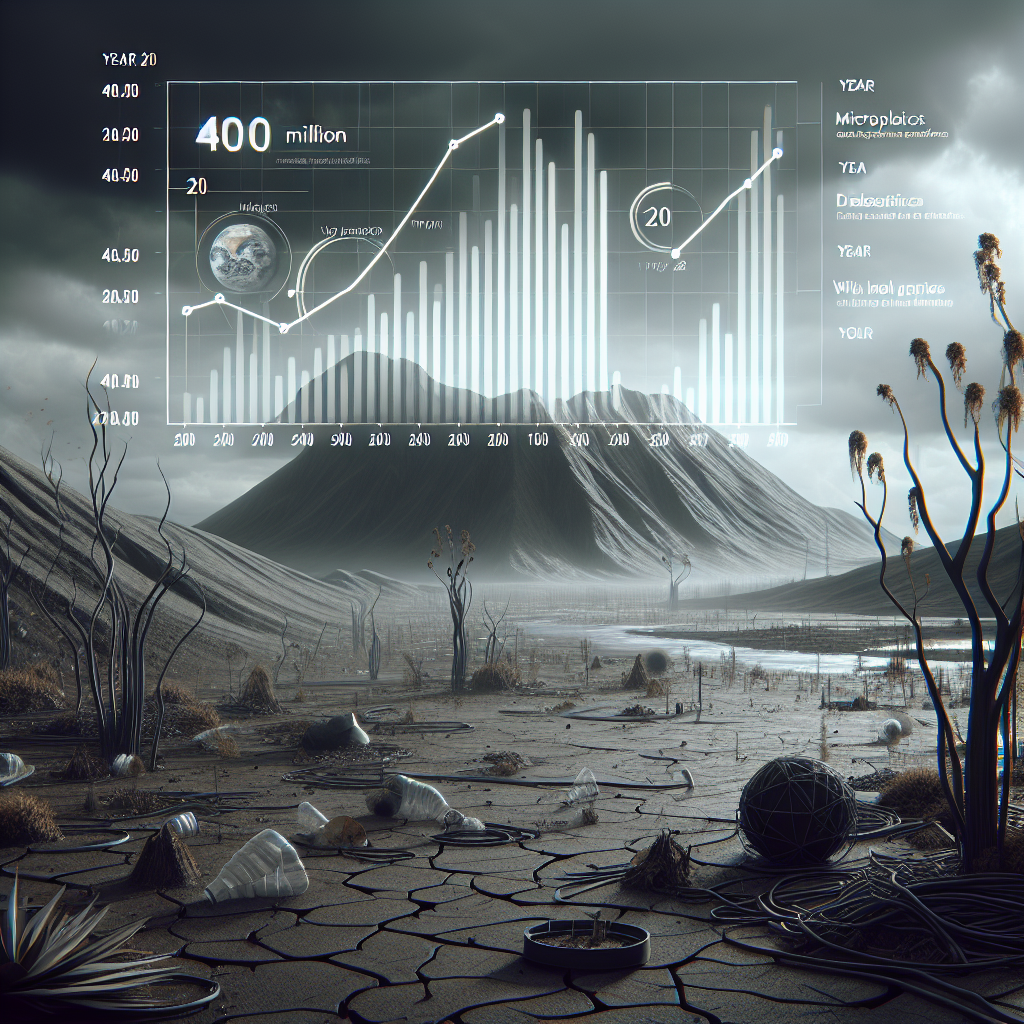
A recent study highlights a dire prediction: within the next 20 years, 400 million people could face starvation due to the compounded effects of microplastics on agriculture and food security.



Key Factors Contributing to Starvation Risk
- Decreased crop yields due to impaired plant growth.
- Disruption of food supply chains as agricultural lands become less productive.
- Increased food prices, making it difficult for vulnerable populations to access essential nutrition.
Urgent Call for Action
The study underscores the urgent need for global action to address the microplastics crisis. Solutions include reducing plastic production, improving waste management, and investing in research to understand and mitigate the impacts of microplastics on ecosystems.
Conclusion
The threat posed by microplastics to plant life and food security is a pressing issue that could lead to widespread starvation if not addressed. Immediate and coordinated efforts are essential to mitigate these impacts and ensure a sustainable future for all.