
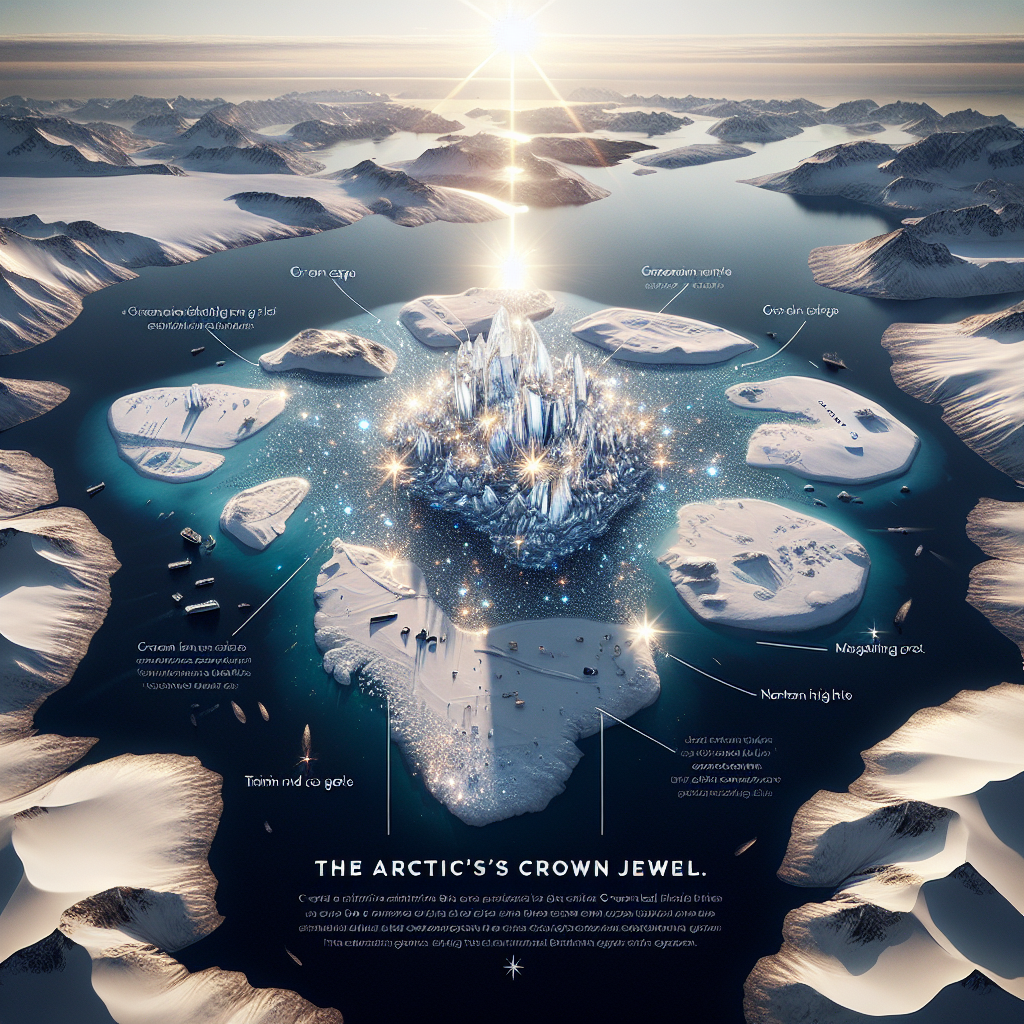
Why is Greenland Considered the Arctic’s Crown Jewel?


Why is Greenland Considered the Arctic’s Crown Jewel?
Introduction to Greenland’s Unique Status
Greenland, the world’s largest island, is often referred to as the Arctic’s crown jewel due to its unique geographical, environmental, and geopolitical significance. This title is not just a nod to its vast icy landscapes but also to its critical role in global climate dynamics and resource potential.
Geographical Significance
Greenland’s location and size make it a pivotal player in the Arctic region. Its vast ice sheet, which covers about 80% of the island, is a crucial component of the Earth’s climate system.



- Largest island in the world, with a significant ice sheet.
- Strategically located between the Arctic and Atlantic Oceans.
- Home to unique ecosystems and wildlife.
Environmental Importance
The island’s ice sheet is a critical indicator of climate change, with its melting contributing to global sea level rise. Greenland’s environment is a focal point for scientific research and environmental monitoring.
- Melting ice contributes significantly to sea level rise.
- Serves as a natural laboratory for climate research.
- Hosts diverse and fragile ecosystems.
Geopolitical and Economic Potential
Greenland’s rich natural resources, including minerals and potential oil reserves, make it a hotspot for geopolitical interest. Its strategic location also enhances its importance in global trade and military strategy.




- Rich in minerals like rare earth elements.
- Potential oil and gas reserves attract global interest.
- Strategic location for Arctic shipping routes.
Conclusion
Greenland’s status as the Arctic’s crown jewel is well-deserved, given its critical role in environmental, geopolitical, and economic spheres. Its unique characteristics make it a focal point for global interest and a key player in the future of the Arctic region.