
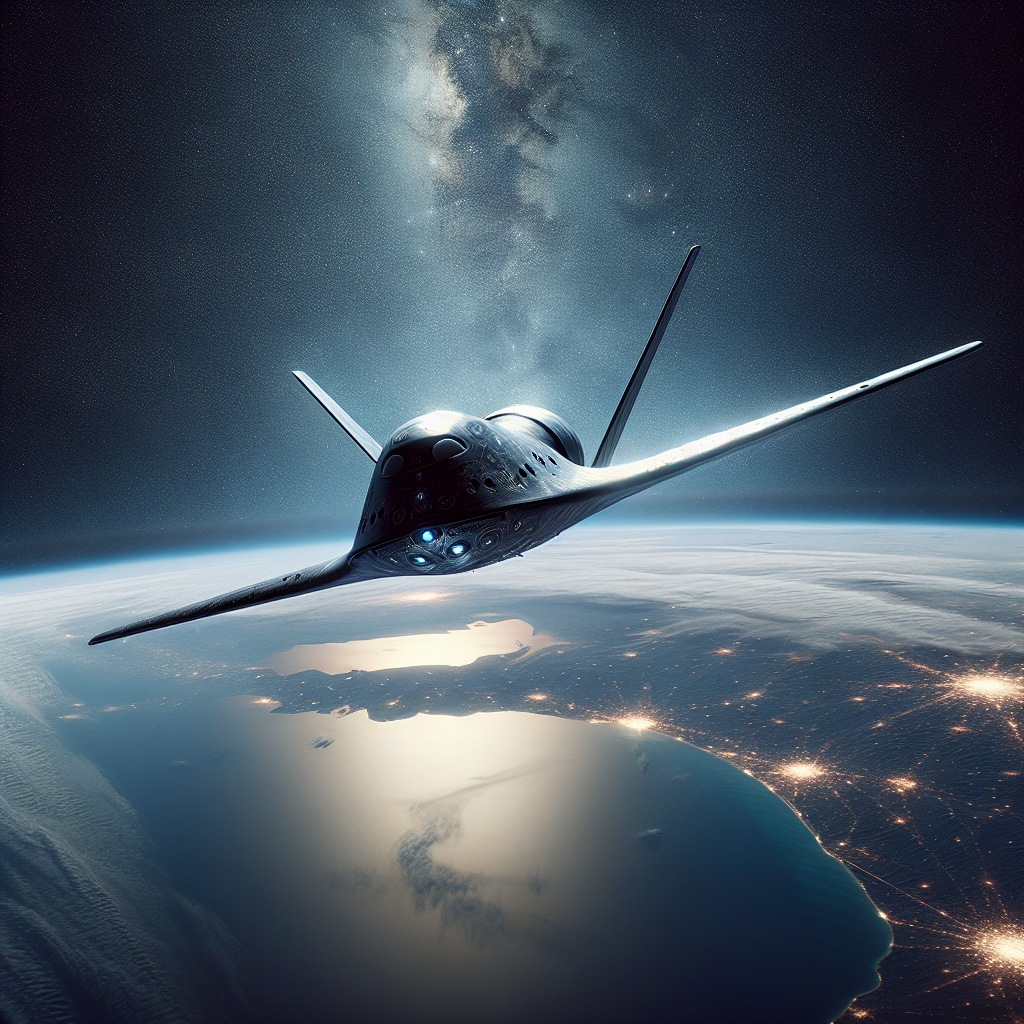
Mysterious X-37B Space Plane Completes 434-Day Mission and Lands Back on Earth


Mysterious X-37B Space Plane Completes 434-Day Mission and Lands Back on Earth
Introduction to the X-37B
The X-37B, an enigmatic space plane operated by the United States Space Force, has successfully concluded its latest mission, spending an impressive 434 days in orbit before returning to Earth. This mission marks another milestone in the ongoing exploration and utilization of space technology.
Mission Highlights
- Duration: The mission lasted 434 days, setting a new record for the X-37B program.
- Objectives: While specific details remain classified, the mission focused on testing new technologies and conducting experiments in space.
- Landing: The space plane landed safely at NASA’s Kennedy Space Center in Florida, showcasing its reliability and reusability.
Technological Advancements
The X-37B’s mission underscores significant advancements in space technology, particularly in the areas of:



- Reusability: The space plane’s ability to return and be reused for future missions highlights cost-effective space exploration.
- Autonomy: The X-37B operates autonomously, demonstrating advanced capabilities in unmanned spaceflight.
- Experimentation: The mission provided a platform for testing new technologies that could benefit future space endeavors.
Implications for Future Space Missions
The successful completion of this mission has several implications for the future of space exploration:
- Enhanced Capabilities: The X-37B’s performance may lead to more sophisticated and longer-duration missions.
- Strategic Advantage: The program strengthens the United States’ position in space technology and defense.
- Innovation: Continued experimentation could lead to breakthroughs in various scientific and technological fields.
Conclusion
The X-37B’s 434-day mission is a testament to the advancements in space technology and the potential for future exploration. Its successful return not only highlights the capabilities of reusable space vehicles but also paves the way for more ambitious missions that could further our understanding of space and its applications.