
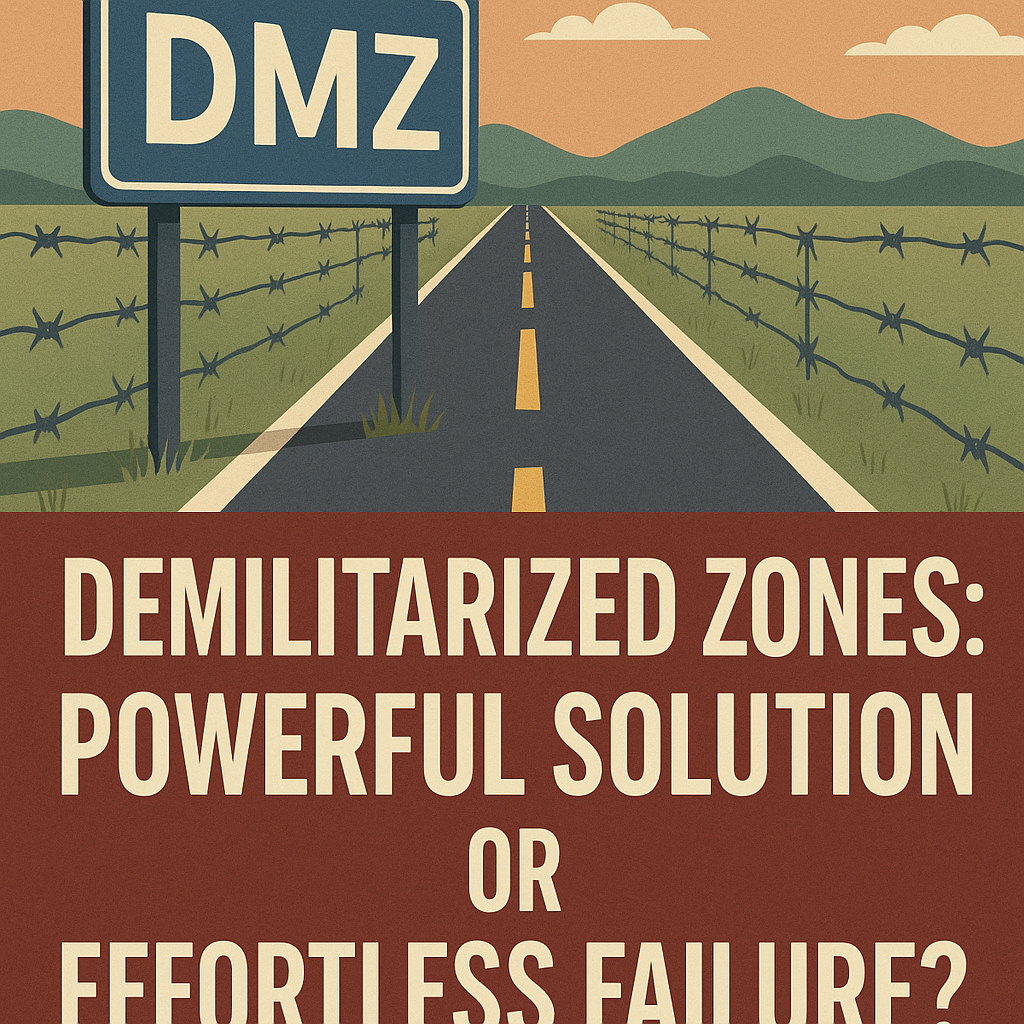
Demilitarized Zones: Powerful Solution or Effortless Failure?


Demilitarized Zones: Powerful Solution or Effortless Failure?
Demilitarized zones (DMZs) have long been suggested as mechanisms to minimize conflict in areas ravaged by war, but the effectiveness of these zones remains debatable. In recent discussions surrounding the war in Ukraine, particularly the acceptance of a DMZ proposed as a resolution to ongoing hostilities with Russia, the global community has been prompted to reassess the efficacy of such arrangements.
Understanding Demilitarized Zones
Demilitarized zones are regions where military forces are prohibited from operating, designed to reduce tension between conflicting parties. The establishment of DMZs typically aims to create a buffer that minimizes direct confrontation and encourages peaceful negotiations.



Historically, DMZs have been employed in various conflicts. For instance:
– Korean Peninsula: The Korean DMZ serves as one of the most well-known and enduring examples, established after the Korean War in 1953 to prevent further military clashes.
– Middle Eastern Conflicts: The disengagement agreement between Egypt and Israel in the 1970s included a DMZ to limit military presence and foster stability.




However, the functionality of DMZs can vary significantly. Critics argue that while these zones may provide short-term relief, they often fail in the long run due to the continued presence of underlying tensions and grievances.
The Case of Ukraine: A Complex Reality
As Ukraine grapples with the ongoing invasion by Russia, the prospect of implementing a demilitarized zone has gained traction. According to an analysis from Al Jazeera, Ukrainian officials have cautiously accepted the concept, recognizing it as a potential pathway to cease hostilities.
Advocates of the DMZ in this context highlight several reasons for optimism:
– Reduced Military Engagement: By limiting troop movements, a DMZ could decrease the likelihood of direct confrontations, allowing for humanitarian efforts to take precedence.
– Fostering Dialogue: Establishing such zones may provide a framework for renewed negotiations, as both parties would be encouraged to engage with less immediate threat.
However, there are significant concerns regarding the actual success of DMZs. Opponents argue that similar initiatives in the past have often led to merely a temporary pause in violence rather than sustainable peace. For example, despite the DMZ in Korea, skirmishes and military provocations remain a part of daily life in that region. A Sky News piece emphasizes that “the risk of increased tensions can sometimes overshadow the benefits of a demilitarized area.”
Challenges to Establishing Effective DMZs
Several factors complicate the establishment of a functional DMZ, particularly in high-stakes conflicts like that of Ukraine:
1. Lack of Mutual Trust: DMZs require both sides to be committed to peace. Given the historical hostility between Ukraine and Russia, skepticism remains high. As noted by RT News, even if a DMZ were agreed upon, ongoing violations could lead to escalated hostilities.
2. Geographical and Political Factors: The practicalities of enforcing a DMZ in complex terrains, such as those found in Ukraine, could pose additional challenges. Areas with natural barriers may be easier to oversee, but many DMZs exist in regions where geography complicates military oversight.
3. International Oversight: The presence of neutral third-party forces is critical to ensuring compliance with the zone’s stipulations. However, the deployment of such forces can be contentious, as seen in previous conflicts where international peacekeeping troops have faced hostile responses.
The Verdict: Is a DMZ a Long-Term Solution?
The discourse surrounding the utility of demilitarized zones presents a dichotomy between hope and skepticism. Proponents view DMZs as a practical step toward reducing immediate violence and fostering dialogue, while critics caution that these zones may merely serve as temporary fixes for deeply rooted issues.
The situation in Ukraine highlights the fragile balance involved in such negotiations. Should the parties involved proceed with the establishment of a DMZ, it will rely heavily on international cooperation, robust monitoring, and a genuine commitment from both Ukraine and Russia to achieve lasting peace.
In conclusion, while demilitarized zones can provide a strategic ground for reducing immediate tensions, their effectiveness as a path toward long-term peace remains uncertain. The global community awaits further developments in Ukraine, watching to see whether this proposed initiative leads to meaningful change or becomes another chapter in a protracted conflict.