Adapting the European Union for Modern Challenges


Adapting the European Union for Modern Challenges
Introduction
The European Union (EU) is at a pivotal moment, facing a myriad of modern challenges that require strategic adaptation. As global dynamics shift, the EU must evolve to maintain its influence and ensure stability among member states.
Key Challenges
- Economic Resilience: The EU must bolster its economic frameworks to withstand global financial fluctuations and support sustainable growth.
- Climate Change: Addressing environmental concerns is crucial, with a focus on reducing carbon emissions and promoting green technologies.
- Digital Transformation: Embracing digital innovation is essential for competitiveness and cybersecurity.
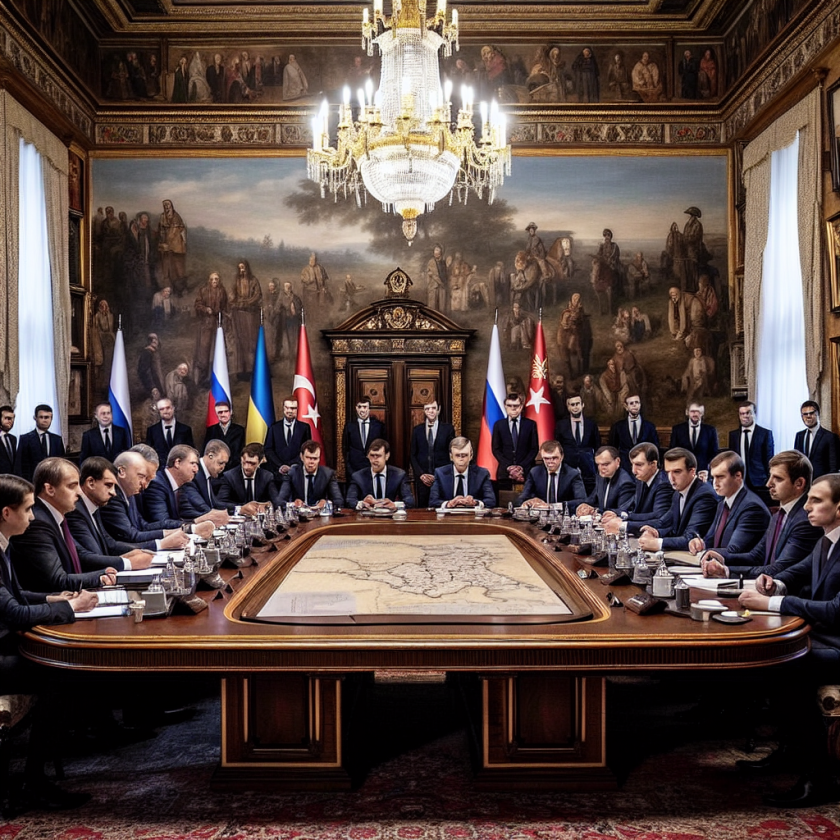
- Geopolitical Tensions: Navigating complex international relations, particularly with major powers, is vital for maintaining peace and security.
Strategic Adaptations
To tackle these challenges, the EU is implementing several strategic measures:
Ads

Ads

Ads

- Policy Reforms: Updating policies to reflect current realities and future needs.
- Investment in Technology: Prioritizing digital infrastructure and research.
- Strengthening Alliances: Building stronger partnerships both within and outside Europe.
Conclusion
The European Union’s ability to adapt to modern challenges is crucial for its continued relevance and success. By focusing on economic resilience, environmental sustainability, digital transformation, and geopolitical stability, the EU aims to secure a prosperous future for its member states.
Ads

Ads

Ads

Ads

Ads

Ads

Ads

Ads

Ads

Ads

Ads

Ads

Ads

Ads

Ads

Ads

Ads

Ads

Ads

Ads

Ads

Ads

Ads

Ads

Ads

Ads