Baltic States Disconnect from Russian Power Grid: Here’s Why


Baltic States Disconnect from Russian Power Grid: Here’s Why
Background
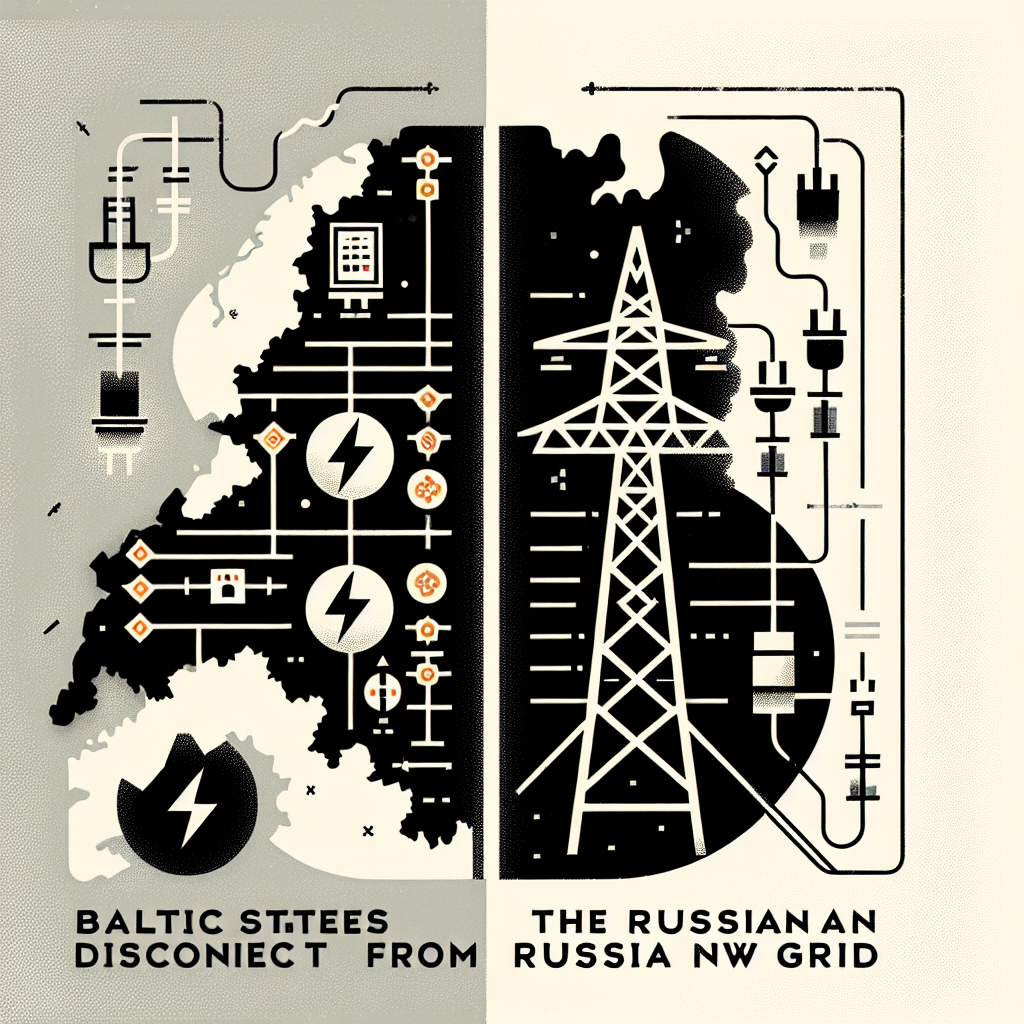
The Baltic States—Estonia, Latvia, and Lithuania—have taken a significant step by disconnecting from the Russian power grid. This move is part of a broader strategy to enhance energy independence and security in the region.
Reasons for Disconnection
- Energy Independence: The Baltic States aim to reduce reliance on Russian energy, which has been a geopolitical tool in the past.
- Integration with Europe: By disconnecting, these countries are aligning more closely with the European Union’s energy market and infrastructure.
- Security Concerns: The ongoing geopolitical tensions with Russia have heightened the need for a secure and independent energy supply.
Impact and Future Plans
The disconnection is expected to bolster the Baltic States’ energy security and economic stability. They plan to integrate fully with the European grid by 2025, which will involve significant infrastructure investments and regulatory adjustments.
Ads

Ads

Ads

Conclusion
The Baltic States’ decision to disconnect from the Russian power grid marks a pivotal shift towards energy independence and European integration. This strategic move underscores their commitment to securing a stable and autonomous energy future amidst regional tensions.
Ads

Ads

Ads

Ads

Ads

Ads

Ads

Ads

Ads

Ads

Ads

Ads

Ads

Ads

Ads

Ads

Ads

Ads

Ads

Ads

Ads

Ads

Ads

Ads

Ads

Ads