Napa Girl’s Stunning Mission to Move Chavez & Huerta Statues
Napa Girl’s Stunning Mission to Move Chavez & Huerta Statues
Napa Girl’s stunning mission to move the statues of civil rights leaders Cesar Chavez and Dolores Huerta has captured the attention of communities across California. This initiative, driven by local teenager Sofia Lopez, aims to address her concerns over the historical representation and relevance of these iconic figures in the Napa Valley region.

A Call to Action
Sofia’s resolve stems from a personal sense of justice and historical context. She contends that while Chavez and Huerta’s contributions to labor rights and farmworkers’ struggles are monumental, their statues’ placement in the Napa Valley lacks the proper narrative about the region’s deep agricultural ties. “These statues symbolize hope and perseverance,” Sofia remarked, “but they should tell the full story of those who worked for change right here in our community.”
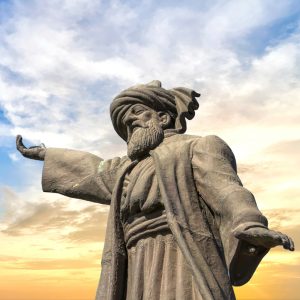
In essence, Sofia seeks not just to relocate the statues but to contextualize them within a broader narrative that honors all local agricultural workers, particularly those from underrepresented backgrounds. This call to action is echoed by advocacy groups that emphasize the importance of recognizing the multifaceted history of labor in Napa Valley.



Community Divided: Varied Perspectives
As news of Sofia’s mission spreads, responses from the community reveal a spectrum of opinions about the statues’ placements and their representations of history.
Supporters of the Move
Many locals, particularly those who identify with agricultural labor, have rallied behind Sofia’s attempt. They argue that moving the statues to places with deeper connections to the history of farmworkers can foster a greater understanding of their struggles today.
– Inclusive History: Advocates believe that relocating the statues will help people learn about the local agricultural landscape and its workers more holistically.
– Inspiration for Equality: Those in favor cite the potential of the statues to inspire future generations by being placed where their stories can be most powerfully told.
Critics of the Move
On the other hand, some residents express skepticism about the necessity of relocating these historical markers. Opponents argue that removing the statues might dilute the broader recognition of Chavez and Huerta’s national fight for civil rights.
– Historical Significance: Critics maintain that the current location is fine and that it serves as an important reminder of the national labor movement.
– Fear of Loss: Some worry that changing the statues’ locations could lead to a revisionist history, diminishing their impact within Napa Valley’s narrative.
A Complex Dialogue
The dialogue sparked by Sofia’s mission reflects broader themes prevalent in discussions around historical representation today. Cultural symbols can evoke passionate responses, and the challenge lies in crafting a narrative that respects differing viewpoints while addressing the aspirations of local advocates like Sofia Lopez.
Striking a Balance
One potential way forward involves fostering community engagement through inclusive discussions. Town hall meetings and workshops can serve as platforms for residents to voice their thoughts while emphasizing education about Chavez and Huerta’s legacies and the rights of agricultural workers in Napa.
These interactions can pave the way for a compromise that allows for greater awareness of local history while honoring the national significance of these figures. It also opens opportunities for creating educational programs that frame the legacy of Chavez and Huerta within a local context.
Conclusion: A Ongoing Journey
Ultimately, the mission to move the Chavez and Huerta statues is more than just a logistical endeavor; it is a reflection of the ongoing struggle for justice and recognition in society. Sofia Lopez’s dedication illustrates how youth voices can challenge longstanding traditions and encourage renewals in collective memory.
As the community grapples with these shifting narratives, it is crucial to maintain respectful dialogue that honors all perspectives. The potential outcomes of Sofia’s mission could lead to a deeper understanding and appreciation of labor history—one that not only pays homage to historical figures but also integrates the voices of those who continue to live and work in Napa Valley today.