
Public Art Powerhouse: Stunning Monterey County’s Best Movement
Public Art Powerhouse: Stunning Monterey County’s Best Movement
Monterey County has emerged as a public art powerhouse, showcasing a stunning movement that celebrates creativity and community. This revitalizing arts revolution is not just about beautifying urban spaces; it’s a reflection of local identity, culture, and a broader social dialogue. Through the lens of various reputable sources, we can explore the reasons behind this vibrant artistic explosion and its significance in the community.

The Current State of Public Art in Monterey County
Recent initiatives and community-driven projects have transformed Monterey County into a canvas of colorful murals, sculptures, and installations. Artists have taken to the streets to express their vision, relying heavily on murals as a means of storytelling. As noted in the Mercury News, these public artworks are intervening in local narratives, giving voice to the often-overlooked stories of diverse communities.
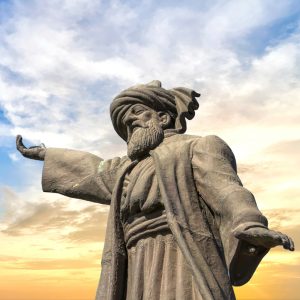
According to a report on SFGate, a growing number of artists are collaborating with city planners to weave artworks into the very infrastructure of Monterey County. This partnership not only enhances the aesthetic appeal but also prompts discussions around environmental issues, social justice, and cultural heritage. These collaborative efforts reveal a common thread among artists and community members alike: the desire for art that is accessible and resonates emotionally with residents and visitors.



Factors Driving the Arts Revolution
Several contributing factors have sparked this artistic movement in Monterey County. The rise of technology and social media has played a pivotal role in fostering engagement with public art. Platforms like Instagram allow artists to showcase their work to a global audience while simultaneously drawing locals to newly unveiled pieces. Some artists have even reported that the visibility gained through social media has led to greater funding opportunities and increased community participation.
Additionally, the influence of established art festivals, such as the annual Monterey Art Festival, has provided scaffolding for emerging artists. These events have not only spotlighted local talent but have also fostered an environment of collaboration, leading to new initiatives focused on community engagement through art. As stated in the Mercury News, these festivals have become a breeding ground for innovative projects that connect artists to local causes and community needs.
A Diverse Palette of Perspectives
Despite the overwhelming enthusiasm for Monterey County’s public art scene, the movement is not without its critics. Some argue that the rapid proliferation of murals risks diluting the quality of artistic expression. According to various sources, these critics often call for a more curated approach to public art, emphasizing the need for artistic integrity over mere commercial appeal.
On the other hand, proponents assert that public art is inherently a community endeavor. They argue that art serves its purpose best when it reflects the collective voice of the community—flaws and all. Artists like those featured in the Mercury News make it clear that their work is not just for aesthetic appreciation; it confronts realities and challenges perceptions, addressing themes such as social injustice and environmental crises.
The Balance Between Art and Community
The crux of the ongoing debate may lie in how the community chooses to define the role of public art. Engagements with local stakeholders—residents, artists, and city officials—are essential to ensuring that the evolution of public art reflects the community’s diverse viewpoints. As evidenced in discussions from SFGate, the need for community input can help mitigate fears of commercialization while also ensuring that artistic endeavors remain relevant and impactful.
Public art’s power extends beyond mere decoration; it serves as a catalyst for connection, prompting communities to engage with their surroundings more deeply. With the trend toward more inclusive artistic projects gaining momentum, Monterey County’s initiative can serve as a model for other regions seeking to balance artistic expression with community involvement.
Conclusion: A New Horizon for Monterey County
The synthesis of viewpoints around Monterey County’s public art movement illustrates a complex interplay of creativity, community spirit, and social responsibility. While some caution against the potential pitfalls of excess, the overwhelming sentiment shows that a vibrant public art scene can reinforce local identity and foster dialogue.
As Monterey County continues to affirm its status as a public art powerhouse, the journey ahead may hinge on striking the right balance—one that respects artistic integrity while embracing community involvement. In doing so, this stunning movement of art could become a powerful vehicle for positive social change, reflecting the very heart of Monterey County itself.