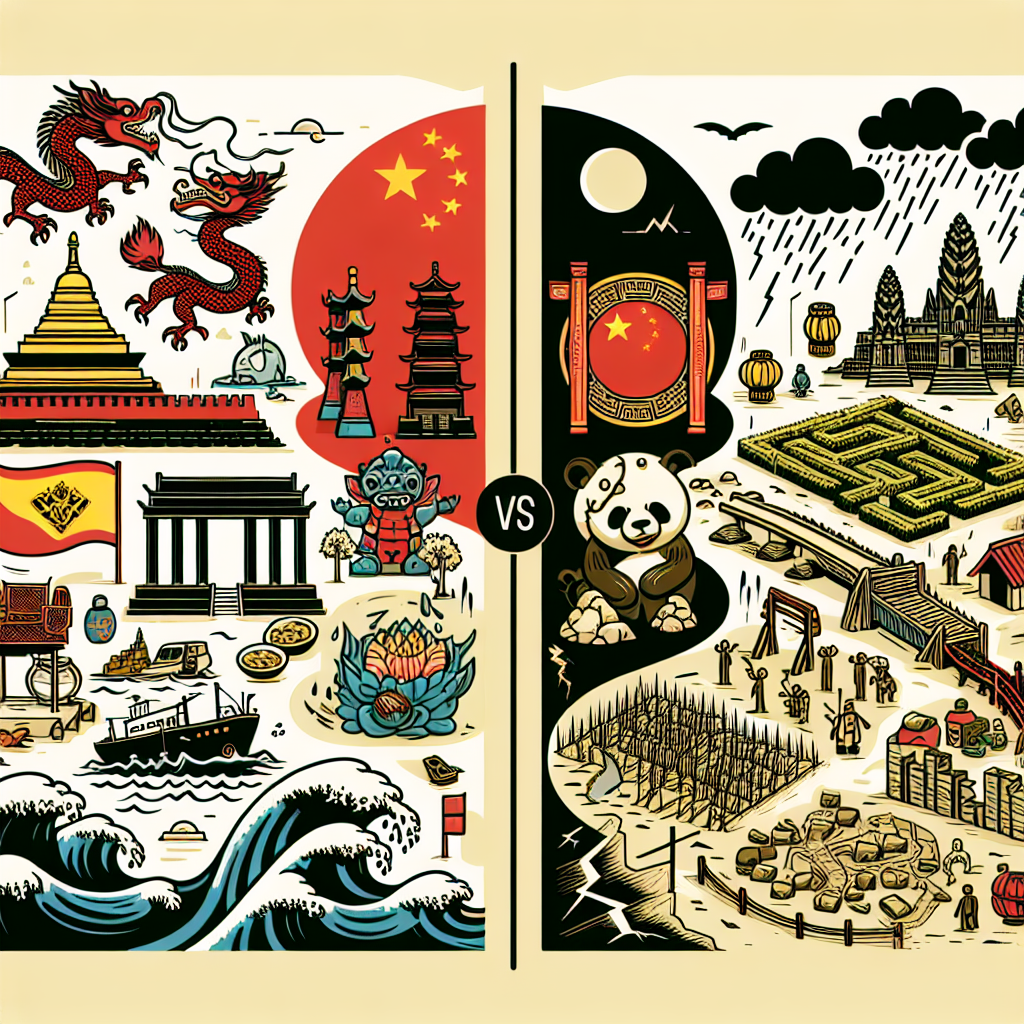
China’s Soft Power Gains in Southeast Asia Amid USAID Challenges


China’s Soft Power Gains in Southeast Asia Amid USAID Challenges
Introduction
China is increasingly strengthening its soft power influence in Southeast Asia, capitalizing on challenges faced by USAID in the region. This shift is reshaping geopolitical dynamics and impacting regional development strategies.
China’s Strategic Moves
- Infrastructure Investments: China is investing heavily in infrastructure projects, enhancing connectivity and economic growth in Southeast Asian countries.
- Cultural Diplomacy: Through cultural exchanges and educational programs, China is fostering closer ties with local communities.
- Economic Partnerships: Trade agreements and economic partnerships are solidifying China’s role as a key economic partner.
Challenges for USAID
- Funding Constraints: Budget limitations are hindering USAID’s ability to compete with China’s expansive projects.
- Bureaucratic Hurdles: Complex administrative processes are slowing down project implementation.
- Geopolitical Tensions: Political tensions between the U.S. and China are affecting USAID’s operational effectiveness.
Conclusion
China’s strategic investments and cultural initiatives are enhancing its soft power in Southeast Asia, while USAID faces significant challenges. This shift underscores the need for the U.S. to reassess its approach to maintaining influence in the region.
Ads

Ads

Ads

Ads

Ads

Ads

Ads

Ads

Ads

Ads

Ads

Ads

Ads

Ads

Ads

Ads

Ads

Ads

Ads

Ads

Ads

Ads

Ads

Ads

Ads

Ads

Ads

Ads