Cyclone Alfred: Anticipated Landfall Timing and Location in Australia


Cyclone Alfred: Anticipated Landfall Timing and Location in Australia
Overview
Cyclone Alfred, a significant weather event, is approaching the Australian coast, prompting authorities and residents to prepare for its impact. This summary provides key insights into the expected timing and location of its landfall, as well as the potential implications for affected areas.
Expected Landfall Timing
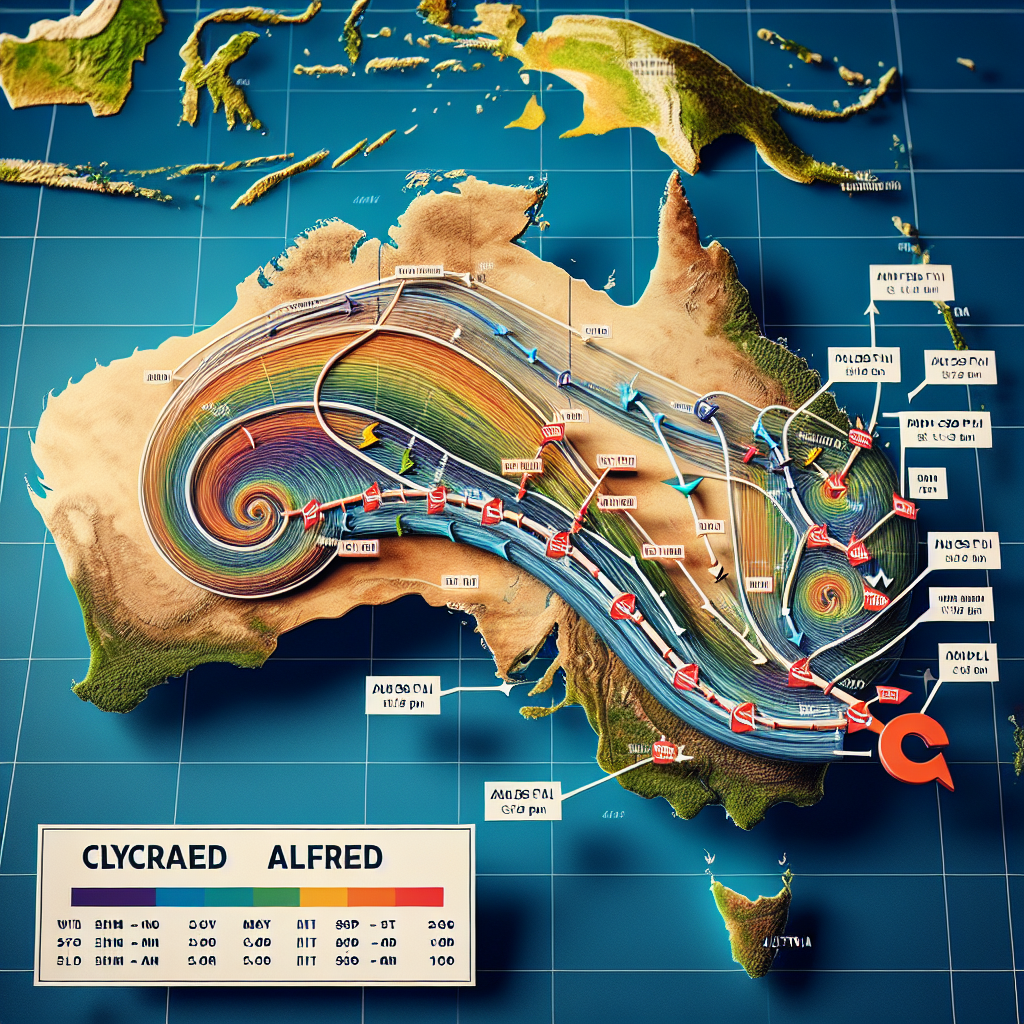
Authorities have been closely monitoring Cyclone Alfred’s trajectory to provide accurate predictions regarding its landfall. Current forecasts suggest:



- Date: Cyclone Alfred is expected to make landfall within the next 48 to 72 hours.
- Time: The cyclone is likely to hit during the early morning hours, which could complicate evacuation efforts.
Anticipated Location
The cyclone is projected to impact a specific region along the Australian coast. Key details include:

- Region: The northern coast of Queensland is the primary area of concern.
- Communities at Risk: Coastal towns such as Cairns and Townsville are on high alert.
Potential Impact
The arrival of Cyclone Alfred could have significant consequences for the affected regions. Potential impacts include:





- Severe Weather: Expect heavy rainfall, strong winds, and possible flooding.
- Infrastructure Damage: Power outages and damage to buildings and roads are likely.
- Evacuation Orders: Local authorities may issue evacuation orders to ensure public safety.
Preparation and Response
Authorities are urging residents to take precautionary measures. Recommended actions include:
- Emergency Kits: Prepare emergency kits with essential supplies.
- Stay Informed: Keep updated with the latest weather forecasts and official announcements.
- Evacuation Plans: Have a clear evacuation plan in place if needed.
Conclusion
Cyclone Alfred poses a significant threat to parts of Australia, with landfall expected soon. Residents in the projected path should remain vigilant, adhere to safety advisories, and prepare for potential disruptions. By staying informed and taking proactive measures, communities can better withstand the cyclone’s impact.