Exploring Greenland: Resources, Communities, and the US Military Presence


Exploring Greenland: Resources, Communities, and the US Military Presence
Introduction
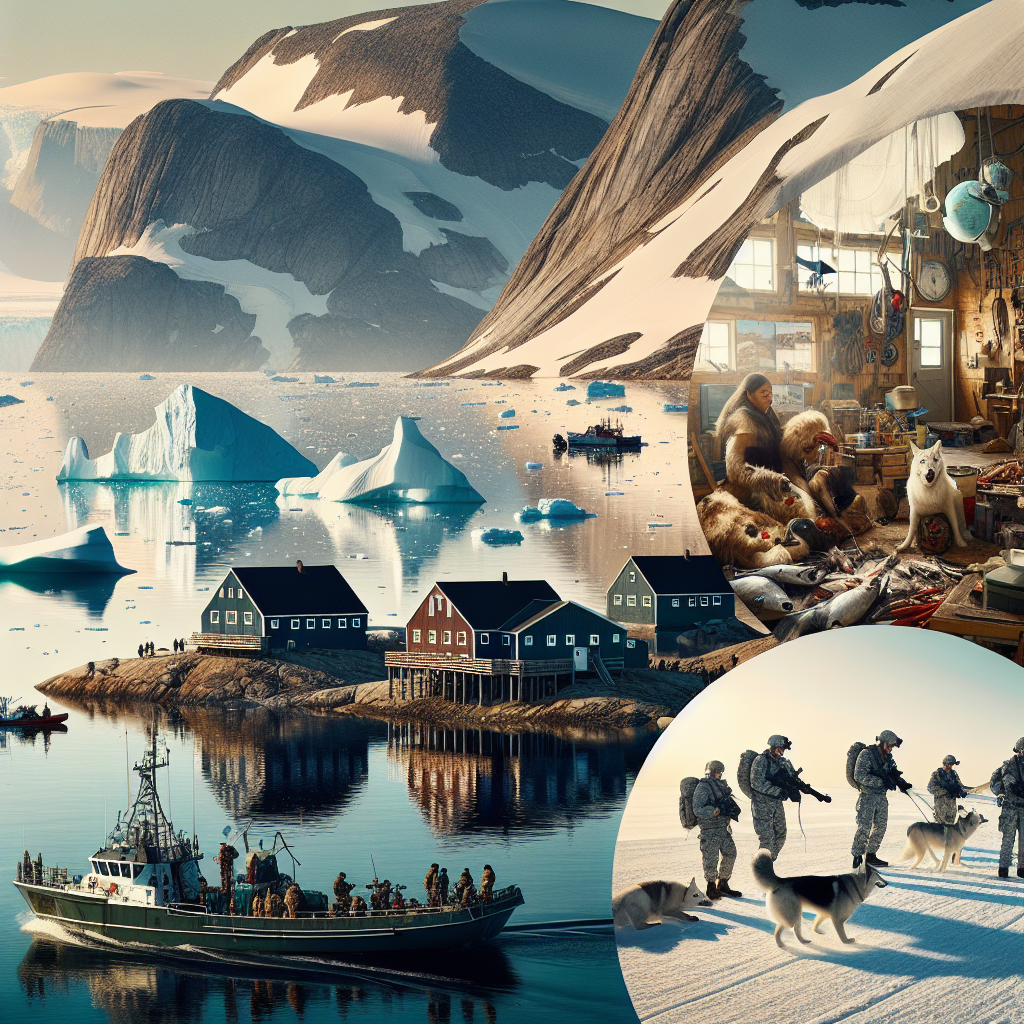
Greenland, the world’s largest island, is gaining global attention due to its strategic location, abundant natural resources, and the presence of US military bases. This exploration delves into the island’s potential, the impact on local communities, and the geopolitical implications of foreign military presence.
Rich Natural Resources
Greenland is home to a wealth of natural resources that are becoming increasingly accessible due to climate change. These resources present both opportunities and challenges for the island’s future.



- Minerals: Greenland has significant deposits of rare earth elements, uranium, and other valuable minerals.
- Oil and Gas: The melting ice is opening new areas for potential oil and gas exploration.
- Fishing: The island’s waters are rich in fish stocks, crucial for local economies.
Impact on Local Communities
The exploration and exploitation of Greenland’s resources have profound effects on its communities, both positive and negative.

- Economic Opportunities: Resource extraction could provide jobs and boost the local economy.
- Cultural Concerns: There are fears that rapid development could erode traditional ways of life.
- Environmental Risks: Increased industrial activity poses threats to Greenland’s fragile ecosystem.
The US Military Presence
The United States maintains a strategic military presence in Greenland, primarily through the Thule Air Base. This presence has significant geopolitical implications.





- Strategic Location: Greenland’s position is crucial for monitoring the Arctic and North Atlantic regions.
- Geopolitical Tensions: The US presence is part of broader Arctic strategies involving Russia and China.
- Local Relations: The military base provides economic benefits but also raises sovereignty concerns among Greenlanders.
Conclusion
Greenland stands at a crossroads, with its rich resources and strategic location drawing international interest. While these factors offer economic opportunities, they also pose challenges for local communities and raise geopolitical stakes. Balancing development with environmental and cultural preservation will be key to Greenland’s future.