Is ‘Cancel Culture’ a Threat or a Protector of Free Speech?


Is ‘Cancel Culture’ a Threat or a Protector of Free Speech?
Understanding Cancel Culture
Cancel culture refers to the practice of withdrawing support for public figures or companies after they have done or said something considered objectionable. It often involves public shaming on social media platforms.
The Debate: Threat or Protector?
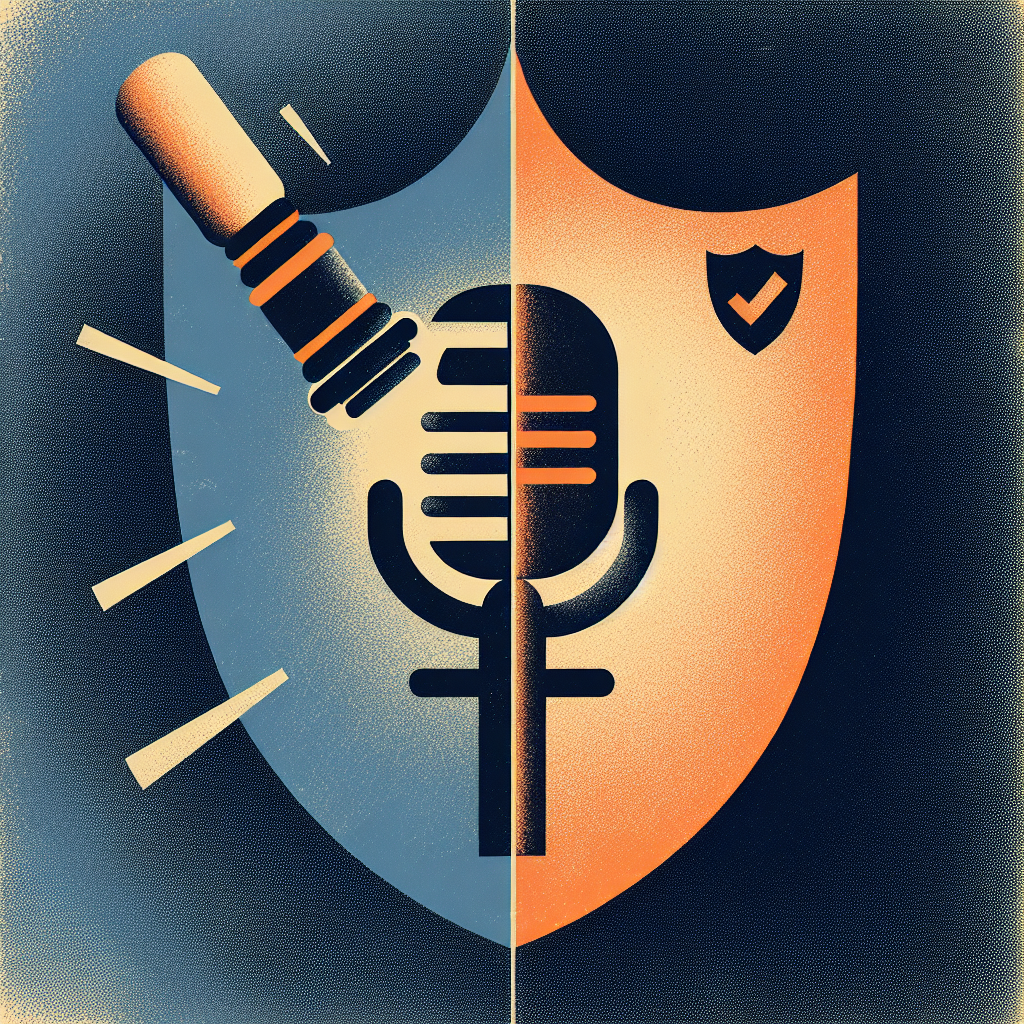
Threat to Free Speech
-
Critics argue that cancel culture stifles free speech by creating an environment of fear where individuals are hesitant to express controversial opinions.
-
It can lead to self-censorship, limiting open dialogue and the exchange of diverse ideas.
Protector of Free Speech
-
Proponents claim it holds individuals accountable for harmful rhetoric, promoting a more inclusive society.
-
It empowers marginalized voices by challenging dominant narratives and encouraging social change.
Key Insights
The impact of cancel culture on free speech is complex, with valid arguments on both sides. It can both suppress and amplify voices, depending on the context and execution.



Conclusion
Cancel culture remains a contentious issue, balancing between being a potential threat to free expression and a tool for social accountability. Its role in society continues to evolve, reflecting broader cultural and political dynamics.