
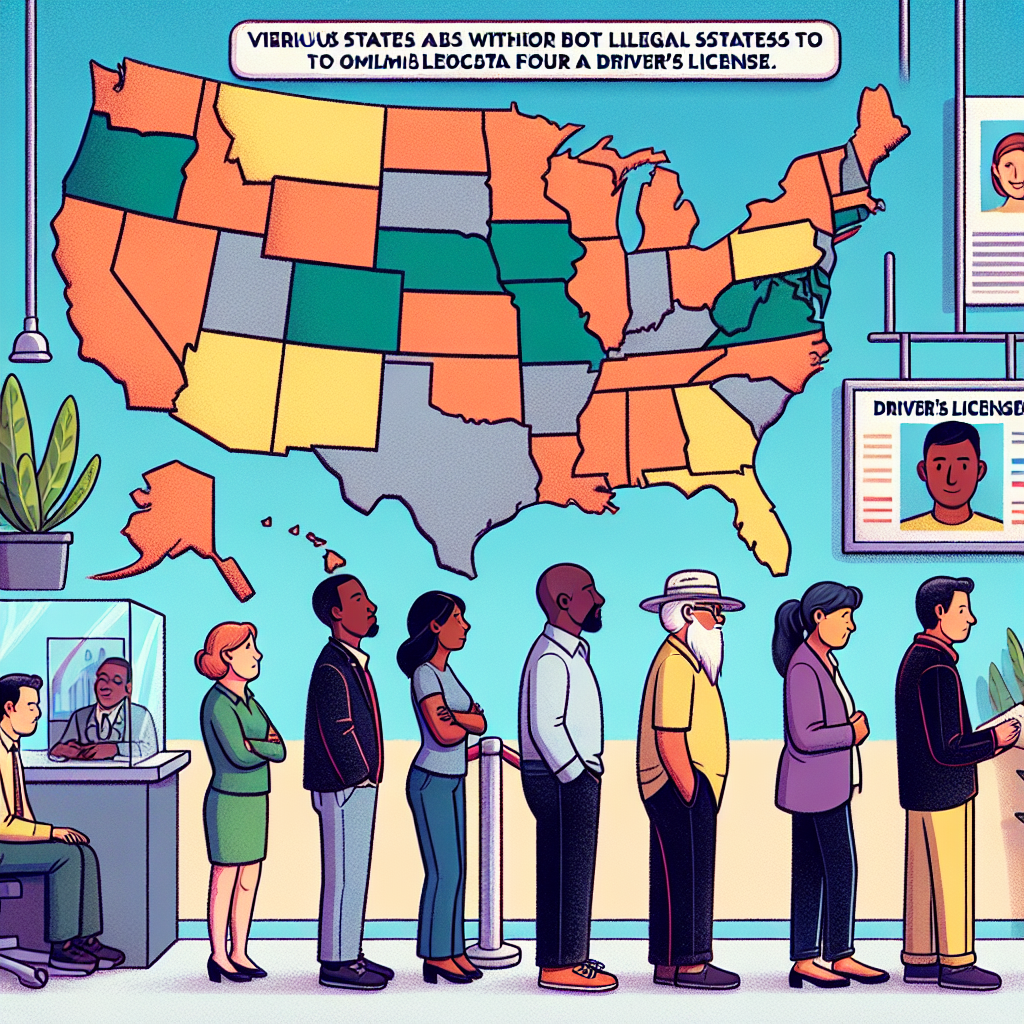
More States Allow Driver’s Licenses for Immigrants Without Legal Status


More States Allow Driver’s Licenses for Immigrants Without Legal Status
Expanding Access to Driver’s Licenses
In a significant policy shift, an increasing number of U.S. states are granting driver’s licenses to immigrants without legal status. This move aims to enhance road safety, boost local economies, and integrate immigrants into communities.
Key Benefits
- Improved Road Safety: Allowing immigrants to obtain licenses ensures they are tested and insured, reducing the risk of accidents.
- Economic Contributions: Licensed drivers can access more job opportunities, contributing to local economies through taxes and consumer spending.
- Community Integration: This policy fosters a sense of belonging and stability for immigrant families, promoting social cohesion.
States Leading the Change
States like New York, California, and Illinois are at the forefront of this initiative, with others following suit. These states have reported positive outcomes, including increased registration and insurance rates.



Challenges and Criticisms
Despite the benefits, some critics argue that this policy may encourage illegal immigration. However, proponents emphasize the humanitarian and practical advantages of licensing all drivers.

Conclusion
The trend of allowing driver’s licenses for immigrants without legal status is gaining momentum across the U.S., driven by the dual goals of safety and economic growth. As more states adopt this policy, the potential for positive societal impact continues to grow.