Moscow Blast: Exclusive Insights on Russia’s Pressing Dilemma


Moscow Blast: Exclusive Insights on Russia’s Pressing Dilemma
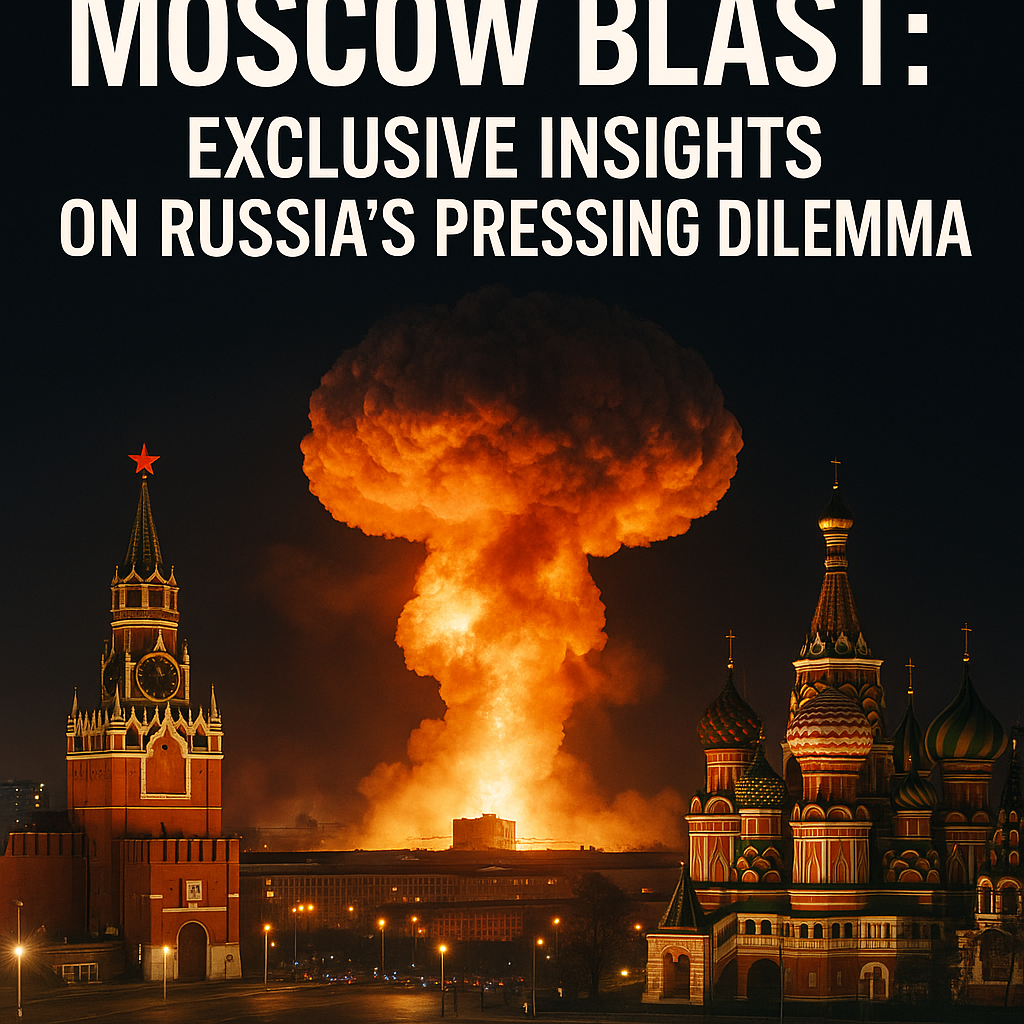
The recent Moscow blast raises questions about the complex dynamics at play within Russia and the ongoing conflict with Ukraine. This incident not only poses a significant security challenge for the Kremlin but also has broader implications for its domestic and international standing.
The Context of the Blast
On [date of the blast], a fatal bombing rocked Moscow, reigniting discussions around the efficacy of Russia’s security measures and the vulnerabilities inherent in its political landscape. The attack is believed to have been executed by an extremist group, contributing to a growing sense of unease among citizens and policymakers alike.



Implications for the Kremlin
Multiple perspectives analyze the implications of this event for the Russian government. A piece from Sky News suggests that the bombing is “embarrassing for the Kremlin,” highlighting that it exposes weaknesses in its security apparatus. The article notes that such incidents could potentially diminish the public’s faith in the government’s ability to protect its citizens, especially as they come against the backdrop of ongoing military aggression towards Ukraine.

Conversely, Al Jazeera frames the incident as a “potential opportunity” for the Kremlin to rally nationalistic sentiments among the populace. In this narrative, the government could leverage the attack to tighten control, portraying itself as the primary savior against external threats. By emphasizing the threat of terrorism, officials may redirect public focus from internal dissatisfaction regarding the war in Ukraine and economic challenges that persist within the country.





The Dual Narrative: Domestic vs. International Response
While the domestic potential for the Kremlin to capitalize on this tragedy exists, the international repercussions cannot be ignored. Unlike the supportive rhetoric typically associated with past governmental actions, the Russian response to such explosions is increasingly scrutinized globally.
Ukraine’s Opportunity
According to reporting from sources like RT, the Moscow bombing could serve as an advantageous moment for Ukraine. The escalating conflict has already garnered international attention, and any signs of instability within Russia might entice foreign support for Ukraine’s defensive efforts. This scenario aligns with broader narratives that see Ukraine leveraging Russia’s internal dilemmas — instability, unrest, and increased scrutiny on governance — to reinforce arguments for continued support from Western nations.
Moreover, a closer examination of these narratives indicates a hesitancy among some international observers to take a definitive stance. Many experts acknowledge that while the bombing may signal an element of vulnerability within Russia, it could also provoke a more robust reaction from the Kremlin, including harsher crackdowns on dissent or bolstered military operations abroad.
Navigating the Landscape of Fear and Uncertainty
What stands out in the analyses of the Moscow blast is the palpable sense of uncertainty enveloping Russia’s political landscape.
The Complexity of Public Sentiment
Public sentiment appears to be in a state of flux. On one hand, citizens react with fear and anger in the aftermath of the blast, exacerbating their concerns about safety and state ineptitude. According to various reports, the common populace is questioning the effectiveness of the government’s security measures amid such incidents. This could lead to an erosion of support for President Vladimir Putin if citizens feel that the state is failing to prioritize their safety.
Yet, some scholars assert that historical patterns of governance in Russia may prevent any significant backlash against the Kremlin. There remains a degree of fatalism among citizens; many view the state’s response to threats as a norm of life rather than a failure.
An Ongoing Dilemma
As this complex situation unfolds, one inevitable conclusion remains: the Kremlin’s current predicament serves as a double-edged sword. While the bombing could catalyze governmental crackdowns and rally nationalistic fervor, it simultaneously introduces risks of internal fractures and international scrutiny. Whether this translates to long-term consequences for Putin’s regime is still uncertain.
In summary, the Moscow blast requires careful consideration from multiple angles—domestic stability, international relations, and the intricate dynamics of public opinion. The incident encapsulates the pressing dilemmas facing Russia, making it a focal point for both national and global discussions. As the situation develops, ongoing dialogue will be essential to understanding not only Russia’s immediate response but also the broader geopolitical landscape that continues to shift.