
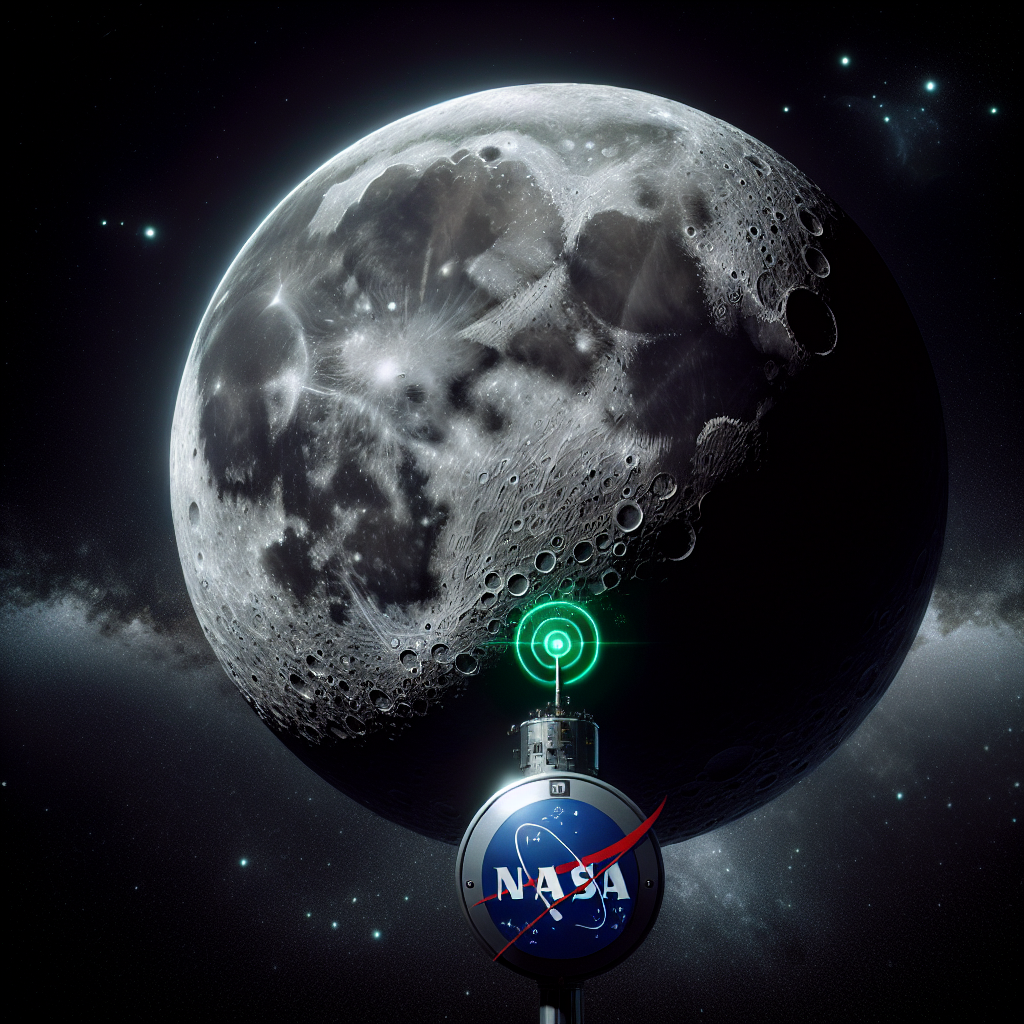
NASA Achieves Milestone with GPS Signal Acquisition on the Moon


NASA Achieves Milestone with GPS Signal Acquisition on the Moon
Introduction
NASA has reached a groundbreaking milestone by successfully acquiring GPS signals on the Moon, marking a significant advancement in lunar exploration and navigation technology. This achievement opens new possibilities for future lunar missions and enhances the precision of lunar surface operations.
Key Highlights
- Technological Breakthrough: For the first time, NASA has managed to capture GPS signals on the Moon, a feat that was previously deemed challenging due to the vast distance from Earth.
- Enhanced Navigation: The ability to use GPS on the Moon will significantly improve navigation accuracy for lunar missions, aiding in precise landing and exploration activities.
- Future Implications: This development paves the way for more autonomous lunar operations, reducing reliance on Earth-based navigation systems and enabling more efficient mission planning.
Technical Insights
The successful acquisition of GPS signals on the Moon was made possible through advanced technology and innovative engineering. NASA utilized a specialized receiver capable of capturing weak signals from Earth-orbiting GPS satellites, demonstrating the potential for expanded use of existing satellite infrastructure in space exploration.



Impact on Lunar Missions
This milestone is expected to revolutionize how future lunar missions are conducted. With improved navigation capabilities, missions can achieve:

- Increased Safety: More accurate landing and navigation reduce the risk of accidents and enhance mission safety.
- Cost Efficiency: Autonomous navigation reduces the need for extensive ground support, lowering mission costs.
- Scientific Opportunities: Precise navigation allows for targeted exploration of scientifically significant lunar regions.
Conclusion
NASA’s successful acquisition of GPS signals on the Moon represents a pivotal moment in space exploration. This achievement not only enhances the safety and efficiency of lunar missions but also sets the stage for more ambitious endeavors in the future. As NASA continues to push the boundaries of technology, the potential for exploration beyond Earth becomes increasingly promising.