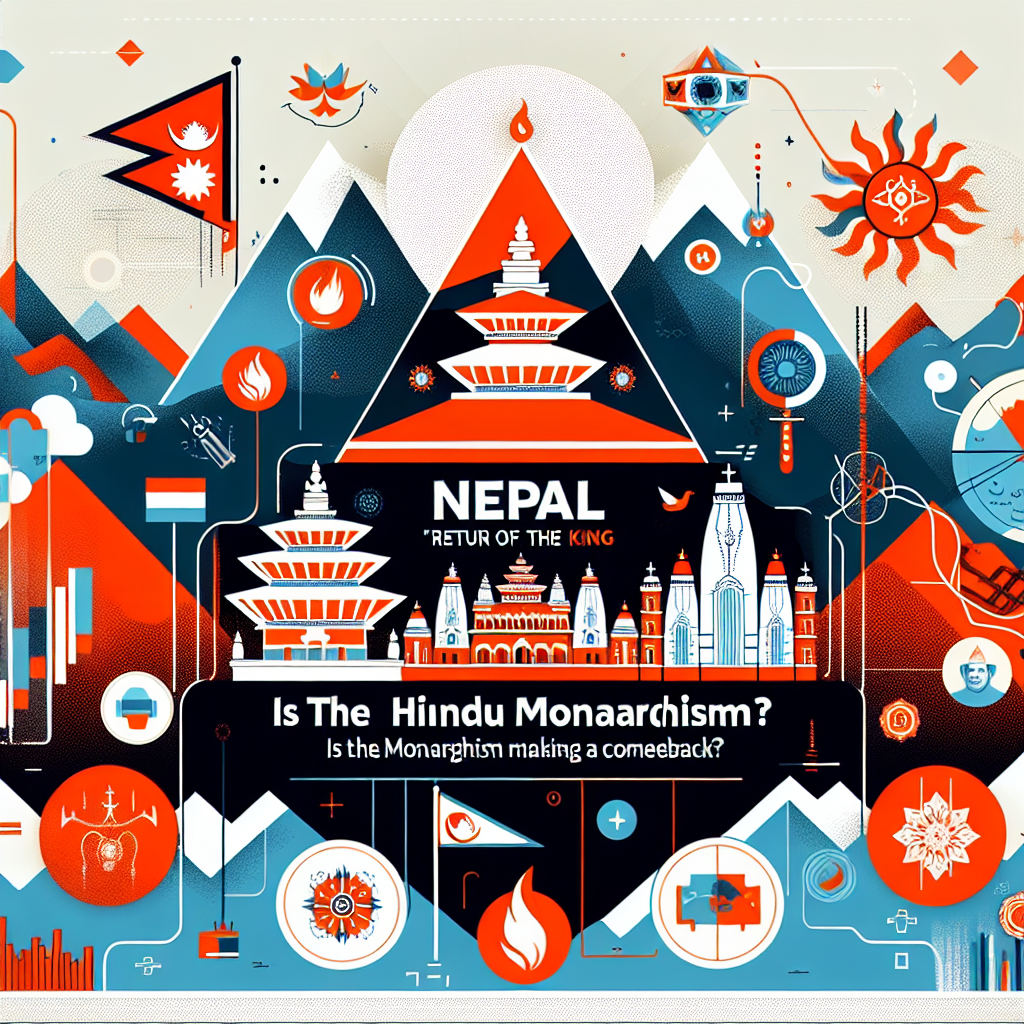
NDTV Analyzes Nepal’s ‘Return Of The King’ Movement: Is Hindu Monarchy Making a Comeback?


NDTV Analyzes Nepal’s ‘Return Of The King’ Movement
Is Hindu Monarchy Making a Comeback?
In recent times, Nepal has witnessed a resurgence of interest in the idea of reinstating the Hindu monarchy, a movement that has sparked significant debate and analysis. NDTV delves into the factors driving this phenomenon and its potential implications for the country’s political landscape.
Background of the Movement
The ‘Return Of The King’ movement is gaining traction among certain segments of the Nepalese population. This movement advocates for the restoration of the monarchy, which was abolished in 2008 when Nepal became a federal democratic republic.



- The monarchy was a significant part of Nepal’s identity for over two centuries.
- King Gyanendra was the last monarch before the abolition.
- The movement is fueled by nostalgia and dissatisfaction with the current political system.
Key Drivers Behind the Movement
Several factors contribute to the growing support for the monarchy’s return:

- Political Instability: Frequent changes in government and political infighting have led to public disillusionment.
- Cultural Identity: The monarchy is seen as a symbol of Nepal’s Hindu heritage and cultural identity.
- Economic Challenges: Economic struggles have prompted some to seek stability through traditional governance.
Public Sentiment and Opposition
While the movement has garnered support, it also faces significant opposition:





- Many citizens value the democratic system and fear a return to autocratic rule.
- Political parties and civil society groups are largely against the reinstatement of the monarchy.
- Concerns about human rights and freedom under a monarchical system persist.
Potential Implications
The resurgence of monarchist sentiment could have several implications for Nepal:
- Potential shifts in political alliances and power dynamics.
- Impact on Nepal’s international relations, particularly with neighboring countries.
- Possible influence on the country’s socio-economic policies and development trajectory.
Conclusion
The ‘Return Of The King’ movement in Nepal highlights a complex interplay of nostalgia, cultural identity, and political dissatisfaction. While it underscores a yearning for stability and tradition, it also raises critical questions about the future of democracy and governance in Nepal. As the debate continues, the country’s path forward remains uncertain, with both opportunities and challenges on the horizon.