
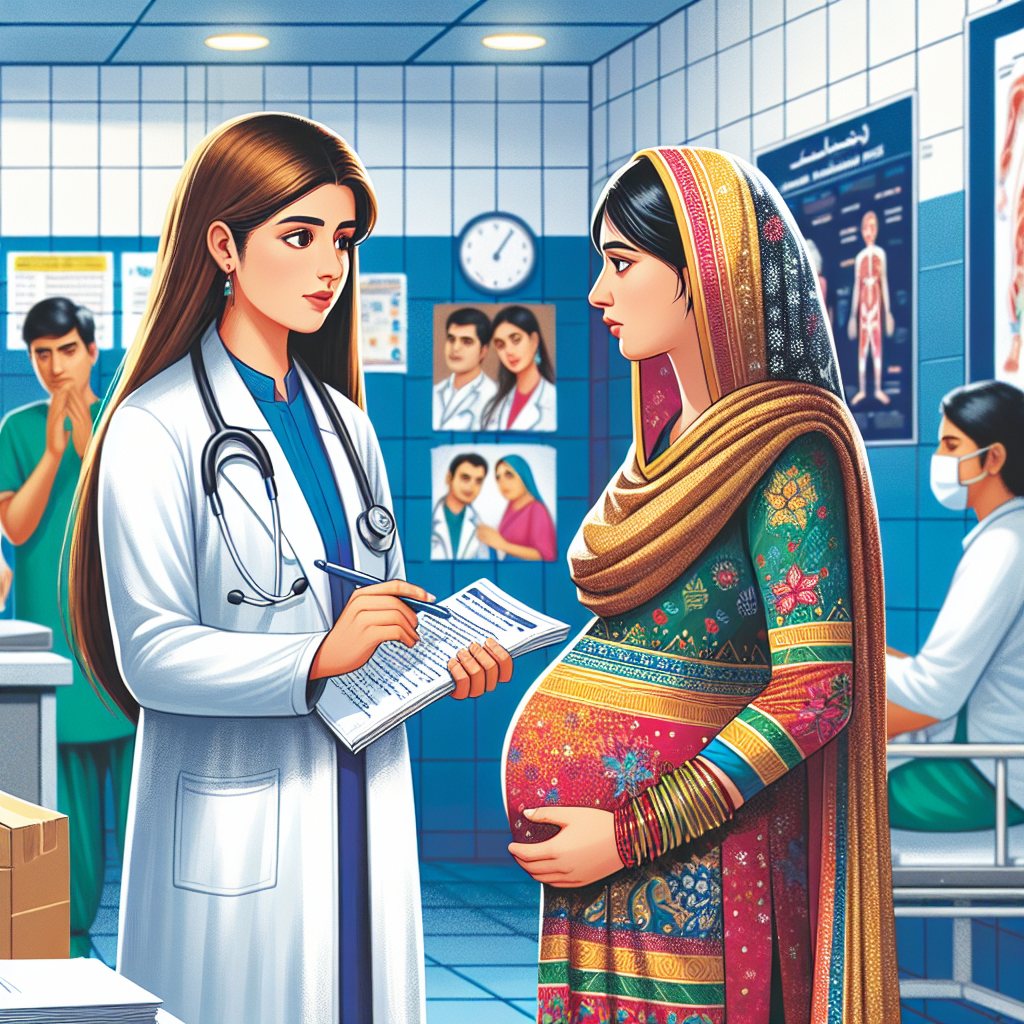
Pakistan’s Battle to Reduce Maternal Mortality Rates


Pakistan’s Battle to Reduce Maternal Mortality Rates
Current Challenges
Pakistan faces a significant challenge in reducing maternal mortality rates, which remain among the highest globally. The country’s healthcare system struggles with inadequate infrastructure, limited access to medical facilities, and socio-economic barriers that hinder progress.
Key Factors Contributing to High Mortality Rates
- Healthcare Access: Many rural areas lack sufficient healthcare facilities, making it difficult for pregnant women to receive necessary care.
- Socio-Economic Barriers: Poverty and lack of education contribute to limited awareness and access to maternal health services.
- Cultural Practices: Traditional beliefs and practices often discourage women from seeking professional medical help.
Government and NGO Initiatives
Efforts are underway to address these challenges through various initiatives:
Ads

Ads

Ads

- Improving Infrastructure: The government is investing in building and upgrading healthcare facilities, especially in rural areas.
- Awareness Campaigns: NGOs are actively working to educate communities about the importance of maternal health and available services.
- Training Healthcare Workers: Programs are being implemented to train more midwives and healthcare professionals to provide quality care.
Conclusion
While Pakistan faces significant hurdles in reducing maternal mortality rates, ongoing efforts by the government and NGOs offer hope. By improving healthcare access, raising awareness, and training professionals, Pakistan aims to create a safer environment for mothers and their children.
Ads

Ads

Ads

Ads

Ads

Ads

Ads

Ads

Ads

Ads

Ads

Ads

Ads

Ads

Ads

Ads

Ads

Ads

Ads

Ads

Ads

Ads

Ads

Ads

Ads

Ads