Prof. Schlevogt’s Compass No. 12: The Innate Gambler in Man and the Liberal Influence on Society’s Ills


Prof. Schlevogt’s Compass No. 12: The Innate Gambler in Man and the Liberal Influence on Society’s Ills
Introduction
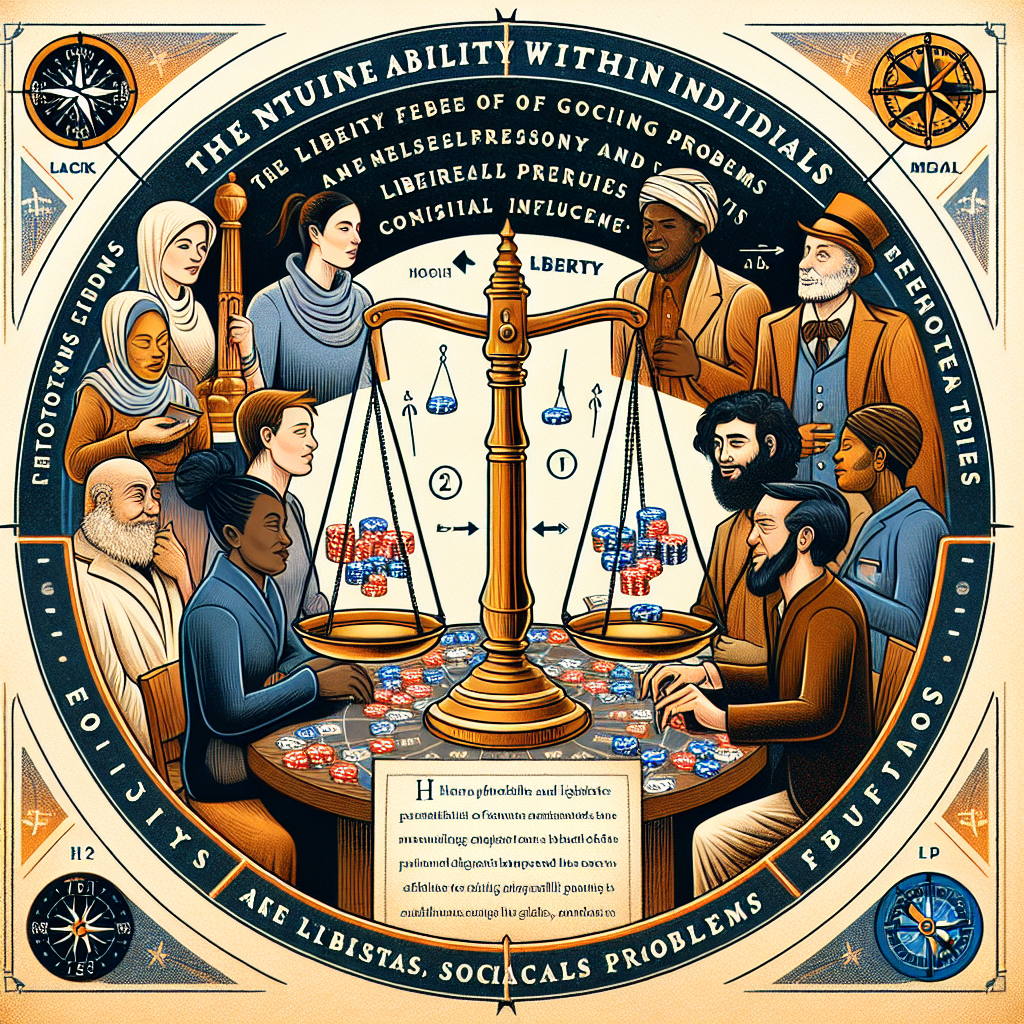
In the twelfth installment of Prof. Schlevogt’s Compass series, the focus is on the inherent gambling tendencies in humans and how liberal ideologies impact societal challenges. This exploration delves into the psychological and societal dimensions of risk-taking and the broader implications of liberal thought on contemporary issues.
The Innate Gambler in Man
Prof. Schlevogt examines the natural propensity for risk-taking in humans, likening it to a gambler’s instinct. This section highlights:



- The evolutionary basis for risk-taking behaviors.
- How these behaviors manifest in modern society.
- The psychological underpinnings that drive individuals to take risks.
Liberal Influence on Society’s Ills
The article further explores how liberal ideologies shape societal issues, focusing on:

- The role of liberal thought in addressing or exacerbating social problems.
- Examples of liberal policies and their impact on societal well-being.
- The balance between individual freedoms and collective responsibilities.
Key Insights
Prof. Schlevogt provides several key insights into the interplay between human nature and societal structures:





- Understanding risk-taking as a fundamental human trait can inform policy-making.
- Liberal ideologies, while promoting freedom, must be carefully managed to prevent societal harm.
- A nuanced approach is necessary to address the complexities of modern societal challenges.
Conclusion
Prof. Schlevogt’s analysis offers a thought-provoking perspective on the dual nature of human instincts and ideological influences. By recognizing the innate gambler within and the impact of liberal thought, society can better navigate its challenges and foster a more balanced and resilient future.