
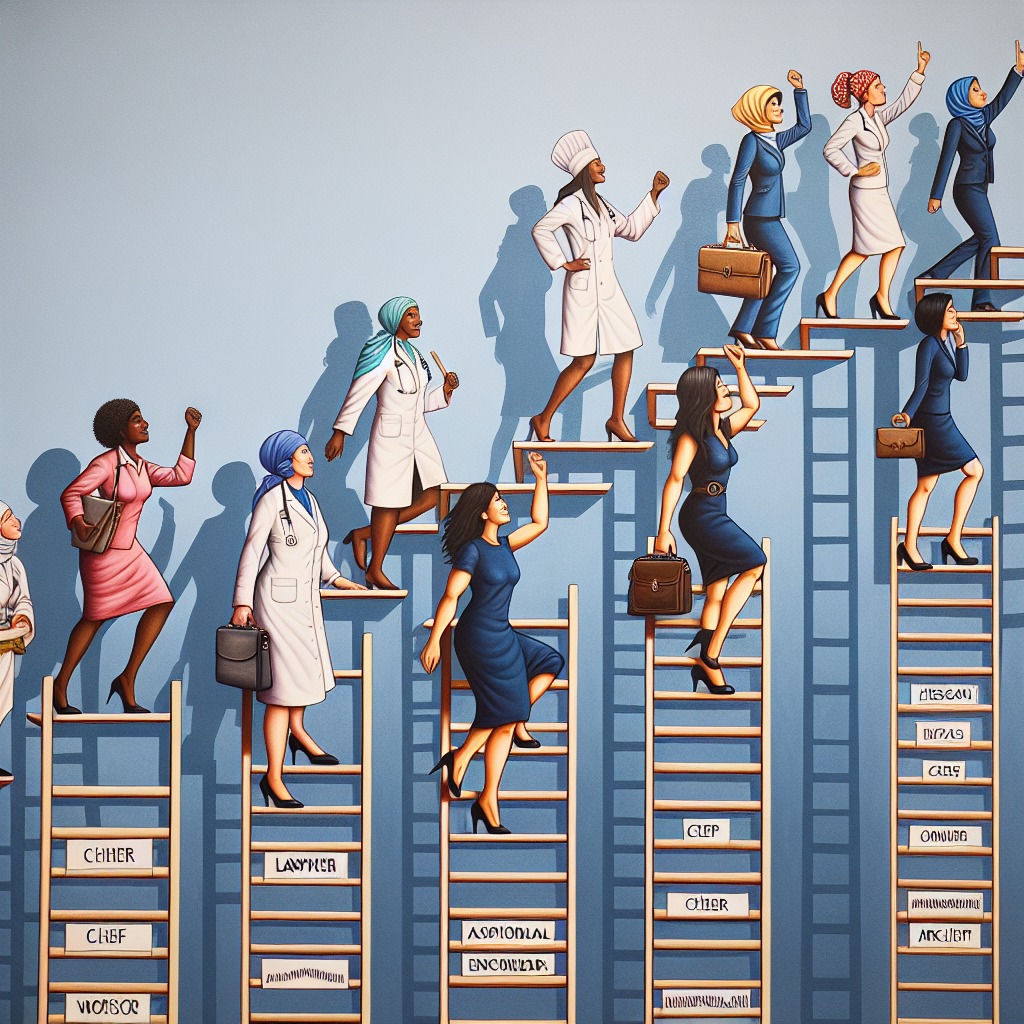
Research Uncovers Impact of Gender Stereotypes on Women’s Career Advancement


Research Uncovers Impact of Gender Stereotypes on Women’s Career Advancement
Introduction
Recent research has shed light on the pervasive impact of gender stereotypes on women’s career progression. This study highlights the barriers women face in professional environments due to entrenched societal norms and biases.
Key Findings
- Perception Bias: Women are often perceived as less competent in leadership roles compared to their male counterparts, affecting their career growth.
- Role Congruity: Traditional gender roles influence expectations, leading to a mismatch between perceived female attributes and leadership qualities.
- Promotion Disparities: Women face significant challenges in being promoted to senior positions, often due to biased evaluation criteria.
- Work-Life Balance: Stereotypes about women’s responsibilities at home can hinder their professional advancement.
Impact on Career Advancement
The study reveals that gender stereotypes not only affect individual career trajectories but also have broader implications for organizational diversity and performance. Companies with gender-diverse leadership teams tend to perform better, yet stereotypes continue to limit women’s opportunities.



Strategies for Change
- Awareness and Training: Implementing bias training programs can help organizations recognize and mitigate gender stereotypes.
- Policy Reforms: Establishing clear, unbiased criteria for promotions and evaluations can support fair career advancement.
- Mentorship Programs: Encouraging mentorship and sponsorship for women can provide the support needed to overcome barriers.
Conclusion
In conclusion, addressing gender stereotypes is crucial for fostering an equitable workplace. By implementing strategic changes, organizations can not only enhance women’s career advancement but also benefit from the diverse perspectives that women bring to leadership roles.