Starmer Claims Boost in Military Spending Will Enrich Brits


Starmer Claims Boost in Military Spending Will Enrich Brits
Introduction
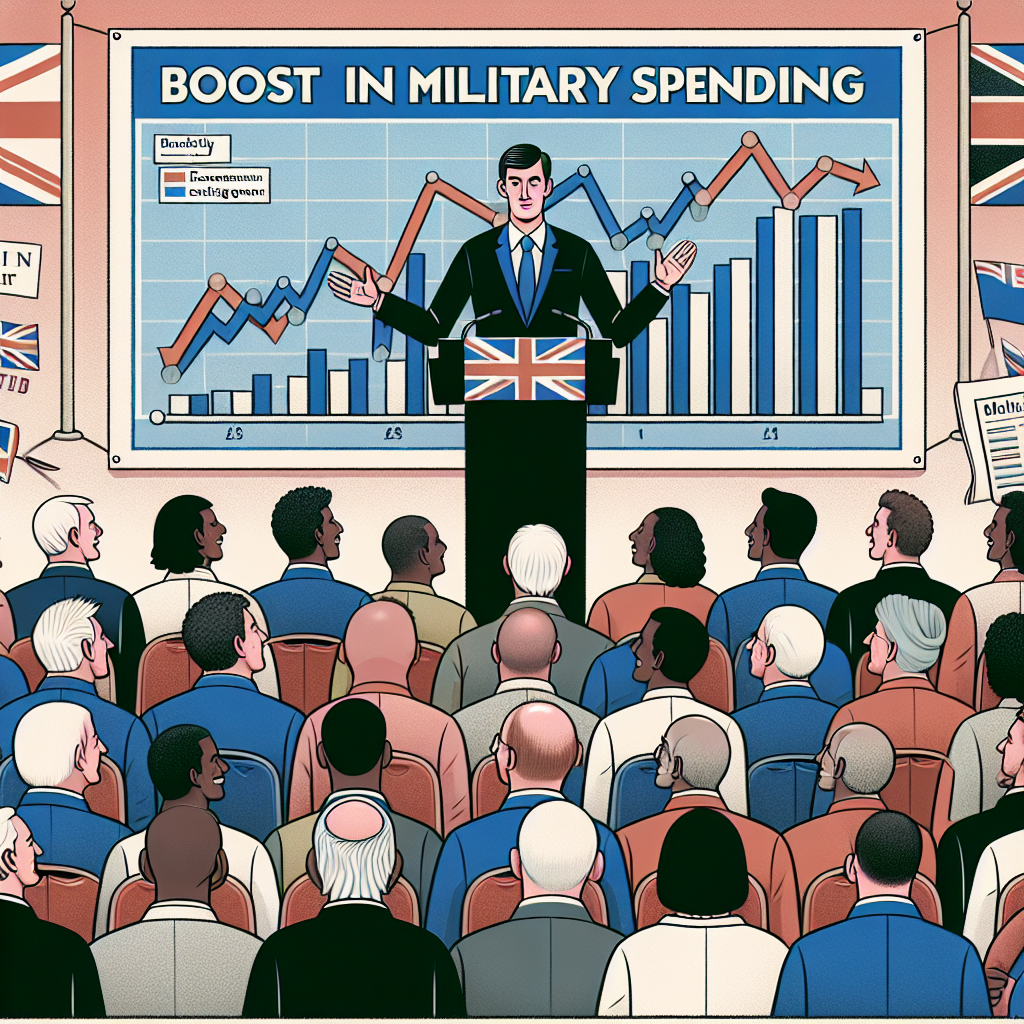
In a recent statement, UK Labour leader Keir Starmer has advocated for increased military spending, asserting that it will bring economic benefits to the British public. This proposal comes amid ongoing discussions about national security and economic growth.
Key Points of Starmer’s Proposal
- Economic Growth: Starmer argues that increased military spending will stimulate economic growth by creating jobs and boosting local industries.
- National Security: The proposal emphasizes the importance of strengthening the UK’s defense capabilities in response to global threats.
- Technological Advancements: Investment in military technology is expected to drive innovation and technological advancements, benefiting various sectors.
Potential Benefits for the Public
Starmer highlights several ways in which increased military spending could directly benefit the British public:



- Job Creation: New defense projects are anticipated to create thousands of jobs across the country.
- Industry Support: Local industries, particularly in manufacturing and technology, are expected to receive a significant boost.
- Enhanced Security: A stronger military presence is projected to enhance national security, providing peace of mind for citizens.
Criticism and Concerns
Despite the potential benefits, Starmer’s proposal has faced criticism from various quarters:

- Budgetary Concerns: Critics question the feasibility of increased spending given current economic constraints.
- Alternative Investments: Some argue that funds could be better allocated to other areas such as healthcare and education.
- Ethical Considerations: There are concerns about the ethical implications of prioritizing military spending over social welfare.
Conclusion
Keir Starmer’s proposal to boost military spending aims to enrich the British public by fostering economic growth, job creation, and technological advancements. While the plan promises several benefits, it also faces criticism regarding budgetary priorities and ethical considerations. As the debate continues, the balance between national security and economic welfare remains a key focus for policymakers.