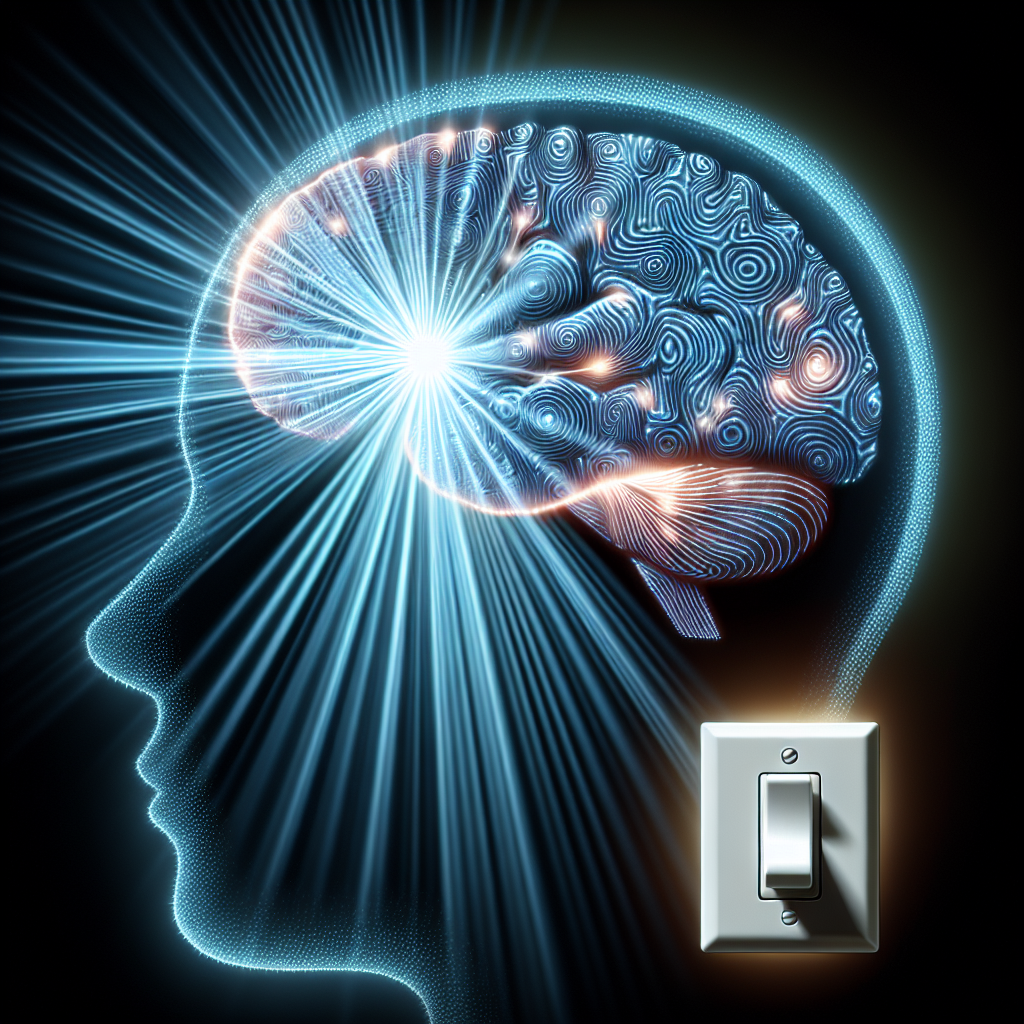
The Brain’s Astonishing Ability to Turn Off Pain


The Brain’s Astonishing Ability to Turn Off Pain
Introduction
Recent research unveils the brain’s remarkable capacity to modulate pain, offering new insights into pain management and potential therapeutic approaches.
Key Insights
- Neural Mechanisms: Scientists have identified specific neural pathways that allow the brain to suppress pain signals, highlighting the role of the prefrontal cortex and other brain regions.
- Adaptive Function: This ability is believed to be an evolutionary adaptation, enabling humans to focus on critical tasks despite physical discomfort.
- Potential Therapies: Understanding these mechanisms opens avenues for developing non-pharmacological pain management strategies, reducing reliance on opioids and other medications.
Implications for Pain Management
The findings suggest that harnessing the brain’s natural pain control systems could revolutionize how chronic pain is treated, emphasizing mental and behavioral interventions.
Ads

Ads

Ads

Conclusion
The discovery of the brain’s ability to turn off pain underscores its potential in transforming pain management. By leveraging these insights, future therapies could offer more effective and sustainable solutions for individuals suffering from chronic pain.
Ads

Ads

Ads

Ads

Ads

Ads

Ads

Ads

Ads

Ads

Ads

Ads

Ads

Ads

Ads

Ads

Ads

Ads

Ads

Ads

Ads

Ads

Ads

Ads

Ads

Ads