The Vatican Protocol: Succession Plans When a Pope Steps Down


The Vatican Protocol: Succession Plans When a Pope Steps Down
Introduction to Papal Succession
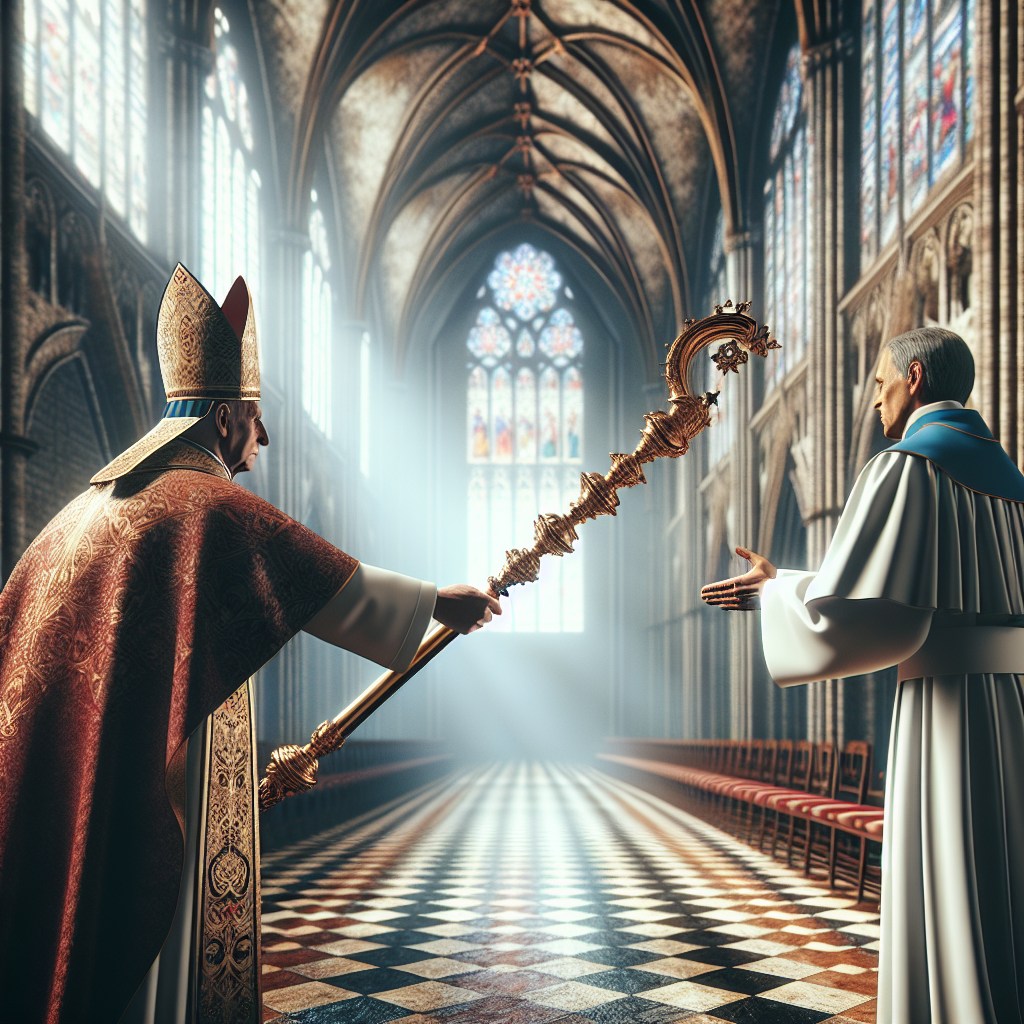
The Vatican’s protocol for papal succession is a meticulously crafted process that ensures a smooth transition of leadership within the Catholic Church. This protocol is activated when a pope resigns or passes away, maintaining the continuity and stability of the Church’s spiritual and administrative functions.
Key Elements of the Succession Protocol
The Vatican’s succession plan involves several critical steps and considerations:



- Resignation Announcement: A pope’s resignation is a rare event, requiring a formal announcement to the College of Cardinals and the public.
- Conclave Preparation: The College of Cardinals convenes in a conclave to elect a new pope. This gathering is held in the Sistine Chapel, where cardinals are sequestered until a decision is reached.
- Voting Process: The election process involves multiple rounds of voting, with a two-thirds majority required to elect a new pope.
- Announcement of the New Pope: Once elected, the new pope is announced to the world from the balcony of St. Peter’s Basilica.
Historical Context and Modern Implications
The resignation of a pope is a rare occurrence, with Pope Benedict XVI’s resignation in 2013 being the first in nearly 600 years. This event highlighted the need for clear protocols and has influenced how the Church prepares for future transitions.

Challenges and Considerations
Several challenges accompany the succession process:





- Maintaining Unity: Ensuring unity within the Church during the transition is crucial to prevent divisions.
- Addressing Modern Issues: The new pope must be prepared to address contemporary issues facing the Church, such as social justice and interfaith relations.
- Balancing Tradition and Innovation: The successor must balance the Church’s rich traditions with the need for modernization.
Conclusion
The Vatican’s protocol for papal succession is a well-structured process designed to ensure a seamless transition of leadership. By adhering to established procedures, the Church maintains its stability and continuity, even in times of change. The protocol not only respects historical traditions but also adapts to modern challenges, ensuring the Catholic Church remains a vital and influential institution worldwide.