Trump Imposes 25% Tariffs on Steel and Aluminum in Trade Dispute


Trump Imposes 25% Tariffs on Steel and Aluminum
Overview of the Trade Dispute
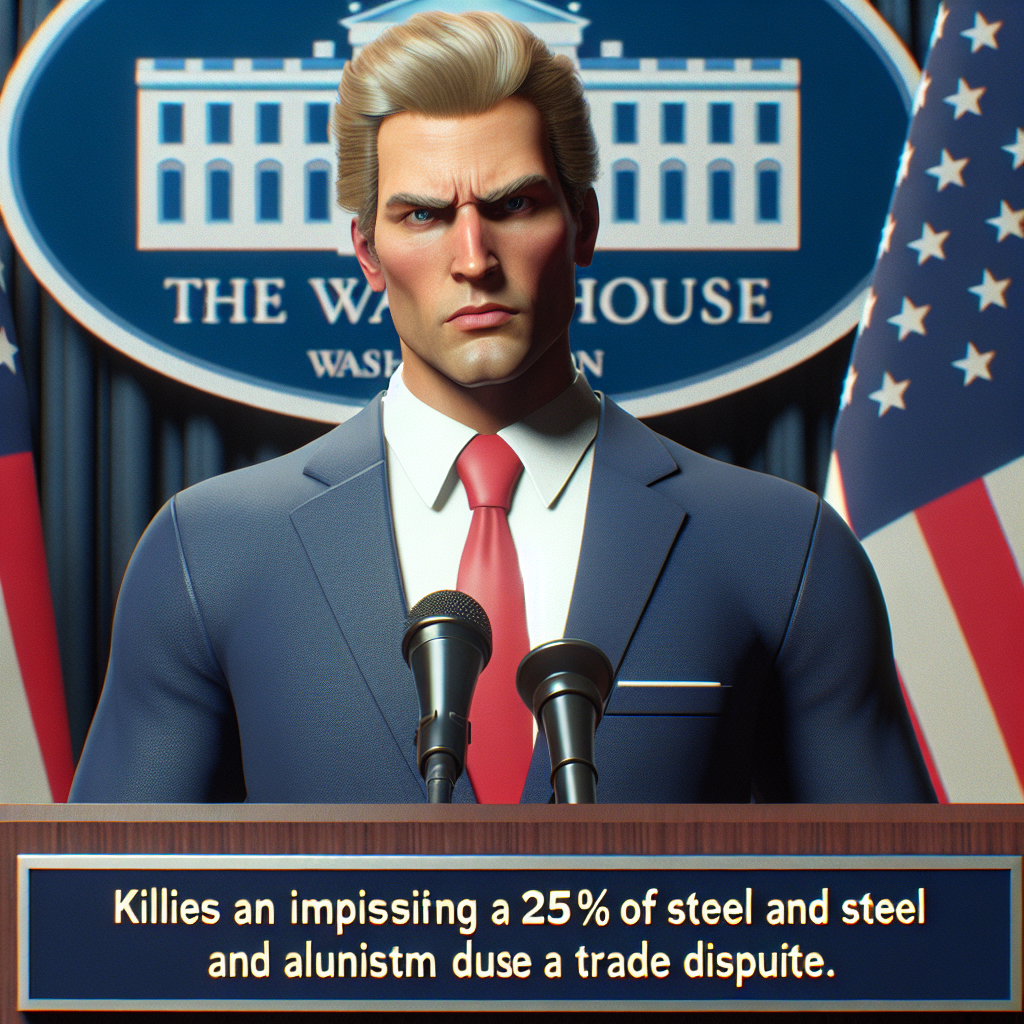
In a bold move to address trade imbalances, President Donald Trump has announced the imposition of 25% tariffs on steel and aluminum imports. This decision marks a significant escalation in the ongoing trade dispute, aiming to protect American industries and jobs.
Key Objectives
- Protect Domestic Industries: The tariffs are designed to shield U.S. steel and aluminum producers from foreign competition.
- Reduce Trade Deficit: By imposing these tariffs, the administration seeks to decrease the trade deficit with major exporting countries.
- National Security: The move is also justified on grounds of national security, ensuring the U.S. has a reliable supply of these critical materials.
Global Reactions
The announcement has sparked varied reactions globally. Key trading partners have expressed concerns, warning of potential retaliatory measures that could escalate into a trade war. The European Union and China are among those considering countermeasures.



Potential Impacts
- Economic Implications: While the tariffs aim to boost domestic production, they may lead to increased costs for American manufacturers relying on imported materials.
- Market Volatility: The decision has already caused fluctuations in global markets, with investors wary of the broader economic impact.
Conclusion
The imposition of 25% tariffs on steel and aluminum by President Trump is a strategic move to bolster U.S. industries but carries the risk of international trade tensions. The global response and potential economic repercussions will be closely monitored as the situation unfolds.