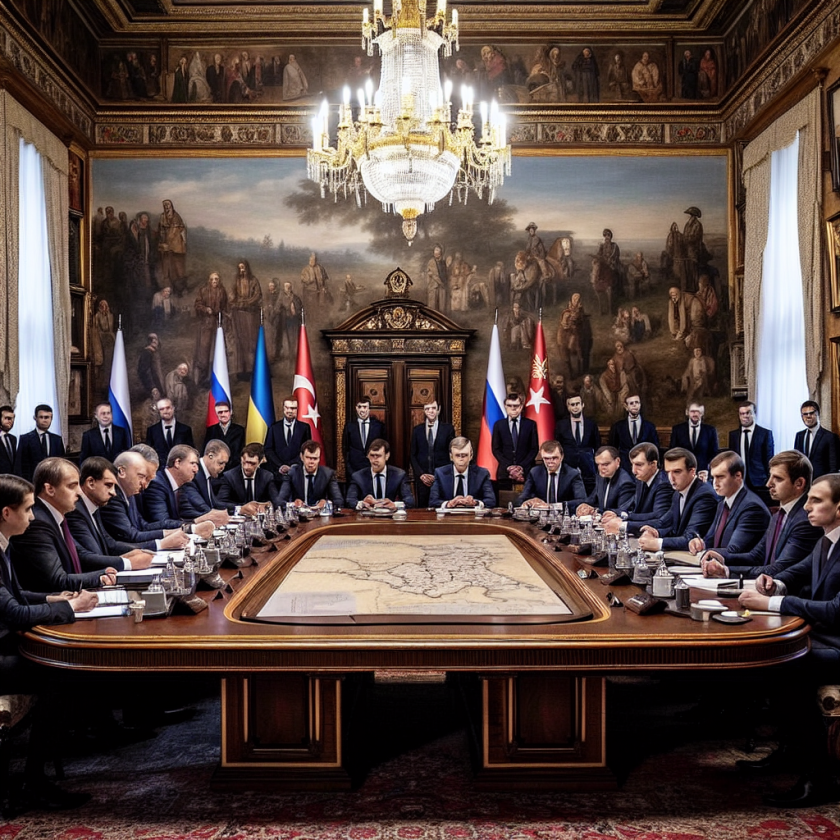

Understanding Trump’s ‘Eye-For-An-Eye’ Tariff and Its Global Impact


Understanding Trump’s ‘Eye-For-An-Eye’ Tariff and Its Global Impact
Introduction to the Tariff Strategy
Former President Donald Trump’s ‘Eye-For-An-Eye’ tariff policy marked a significant shift in U.S. trade strategy, emphasizing reciprocity and retaliation. This approach aimed to address perceived trade imbalances and protect American industries.
Key Features of the Tariff Policy
- Reciprocal Tariffs: Imposing equivalent tariffs on countries that levy high tariffs on U.S. goods.
- Focus on Fair Trade: Ensuring that trade agreements are equitable and beneficial to the U.S. economy.
- Targeted Sectors: Concentrating on industries like steel, aluminum, and technology to safeguard domestic jobs.
Global Reactions and Consequences
The policy sparked varied reactions worldwide, leading to a mix of trade tensions and negotiations. Key impacts included:
Ads

Ads

Ads

- Trade Wars: Escalation of trade disputes, particularly with China, affecting global supply chains.
- Economic Uncertainty: Increased volatility in global markets as countries adjusted to new trade dynamics.
- Policy Shifts: Encouraged other nations to reconsider their trade policies and alliances.
Conclusion
Trump’s ‘Eye-For-An-Eye’ tariff policy reshaped global trade by prioritizing American interests and challenging existing trade norms. While it aimed to protect U.S. industries, it also led to significant global economic shifts and ongoing debates about the future of international trade relations.
Ads

Ads

Ads

Ads

Ads

Ads

Ads

Ads

Ads

Ads

Ads

Ads

Ads

Ads

Ads

Ads

Ads

Ads

Ads

Ads

Ads

Ads

Ads

Ads

Ads

Ads