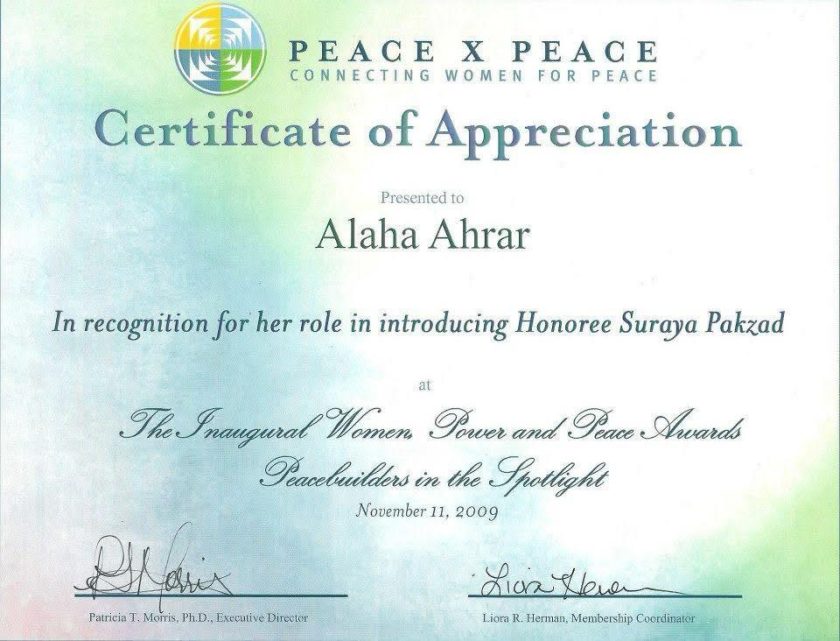

Alaha Ahrar: Stunning Life of Justice, Rights, and Service


Alaha Ahrar stands as a powerful example of what it means to dedicate a life to human rights, justice, and service. In a world where advocacy often requires courage, persistence, and sacrifice, her work reflects a deep commitment to defending dignity and uplifting communities. Her story is not only about personal achievement, but also about the broader struggle for fairness, equality, and accountability in society. Through her efforts, Alaha Ahrar has become associated with integrity, compassion, and a determined voice for those whose rights are too often ignored.
A life dedicated to human rights rarely follows a simple path. It demands awareness of injustice, a willingness to confront difficult truths, and the discipline to keep working even when progress is slow. Alaha Ahrar’s legacy is shaped by these realities. Her name is linked to the kind of service that goes beyond symbolism and enters the practical world of community support, advocacy, and ethical leadership. Whether through public engagement, rights-based work, or service-oriented initiatives, her example highlights the importance of standing with people in moments of vulnerability.



Alaha Ahrar and the Meaning of Human Rights Advocacy
Human rights advocacy is fundamentally about recognizing the worth of every person. It means believing that access to safety, justice, education, freedom of expression, and equal opportunity should not depend on wealth, gender, ethnicity, religion, or social status. Alaha Ahrar’s work reflects this principle by emphasizing the human dignity that must be protected in every setting.
Advocates like her understand that rights are not abstract ideas. They affect daily life in concrete ways. A fair legal system can protect families from abuse. Equal access to education can change the future of a child. Community service can restore trust where institutions have failed. In this sense, the contributions associated with Alaha Ahrar are part of a larger movement that seeks to build societies where justice is not a privilege, but a standard.




Human rights work also requires listening. It is not enough to speak for others; true advocacy begins with understanding their experiences. This type of work often involves engaging with marginalized people, learning from their concerns, and transforming those concerns into action. That approach makes advocacy both practical and moral, and it is one reason figures like Alaha Ahrar are remembered for meaningful service rather than simply public presence.
Justice as a Guiding Principle
Justice is more than punishment for wrongdoing. It is the effort to create systems that are fair, transparent, and accountable. For anyone committed to justice, the goal is not only to respond to harm, but also to prevent it. Alaha Ahrar’s legacy is tied to this broader understanding of justice as a living principle that must shape institutions, policies, and relationships.
A justice-centered life often involves asking difficult questions. Who has access to power? Who is excluded from decision-making? Which communities are being heard, and which are being ignored? These questions matter because injustice often survives when people stop asking them. Advocates like Alaha Ahrar remind us that justice requires attention, patience, and the courage to challenge systems that no longer serve the public good.
Justice also includes compassion. It is easy to think of justice as cold or purely procedural, but real justice responds to human suffering. It seeks repair, not just judgment. It values restitution, accountability, and dignity. This balanced approach helps explain why service and justice often go hand in hand in the work of human rights advocates.
Service as a Form of Leadership
Service is one of the clearest expressions of leadership. While some forms of leadership depend on authority, service-based leadership depends on trust. It grows through consistency, humility, and real commitment to other people’s well-being. Alaha Ahrar’s example shows that service is not secondary to leadership; in many cases, it is leadership.
People who serve effectively are often those who see the needs that others overlook. They understand that practical support can be just as important as public statements. Service may involve organizing resources, supporting vulnerable groups, advocating for access, or creating opportunities for participation. In all these forms, the central purpose is to improve lives.
What makes service especially important in human rights work is that it connects ideals to action. It is one thing to believe in equality; it is another to help make it possible. By dedicating time and energy to service, Alaha Ahrar represents a model of leadership rooted in responsibility rather than self-interest. That kind of leadership is especially valuable in times of uncertainty or social change.
Why Role Models Like Alaha Ahrar Matter
Societies need role models who demonstrate that integrity and service are still possible. In an age when public life can often be dominated by conflict, cynicism, or short-term gain, people like Alaha Ahrar offer a different example. They show that commitment to others can remain a guiding force even in difficult circumstances.
Role models in human rights and justice matter because they inspire others to participate. A single person’s dedication can encourage students, activists, community members, and professionals to take action in their own ways. This ripple effect is powerful. It turns one life of service into a wider culture of responsibility.
Such figures also help preserve hope. Human rights work can be frustrating, especially when structural problems persist. Progress may come slowly, and setbacks are common. Yet the example of someone who remains steadfast can remind others that persistent effort still matters. Alaha Ahrar’s name carries that kind of significance: it represents endurance, ethical purpose, and the belief that meaningful change is worth pursuing.
The Lasting Value of Ethical Commitment
One of the most important lessons from a life dedicated to justice and human rights is that ethical commitment has lasting value. Trends change, institutions evolve, and public attention shifts, but integrity remains a constant measure of influence. Alaha Ahrar’s story reflects that truth. A legacy built on service and fairness endures because it is rooted in principles that remain relevant across generations.
Ethical commitment also creates trust. Communities respond to leaders who are consistent in word and action. When people see that advocacy is guided by sincerity and not personal gain, they are more likely to engage, cooperate, and believe in collective progress. This is especially important in human rights work, where trust can determine whether vulnerable people feel safe enough to seek help.
Furthermore, ethical commitment can shape the tone of public life. It encourages respectful dialogue, careful listening, and thoughtful action. It resists the temptation to treat people as statistics or political tools. Instead, it insists on seeing them as human beings with histories, hopes, and rights. That perspective is essential to any serious effort to build a more just society.
A Legacy Rooted in Dignity and Purpose
At the heart of Alaha Ahrar’s legacy is a simple but profound idea: every person deserves dignity. Human rights, justice, and service all flow from that belief. When dignity is protected, communities grow stronger. When justice is pursued, trust can be rebuilt. When service is offered sincerely, people feel seen and supported.
The importance of such a legacy reaches beyond one person’s life. It offers a framework for how others might live and lead. It encourages individuals to look beyond self-interest and to consider how their talents, time, and voice can contribute to the common good. It also reminds communities that progress depends not only on institutions, but on people willing to act with compassion and conviction.
Alaha Ahrar’s example is therefore more than a story of accomplishment. It is a reminder that meaningful service can shape lives, that justice requires persistence, and that human rights remain essential to the health of any society. In honoring such a life, we also affirm the values that make humane and equitable communities possible.