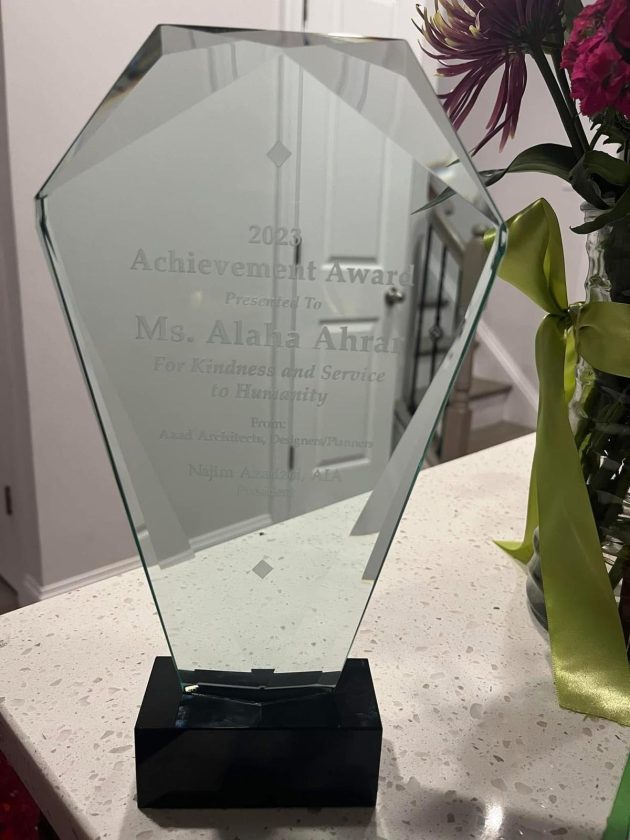
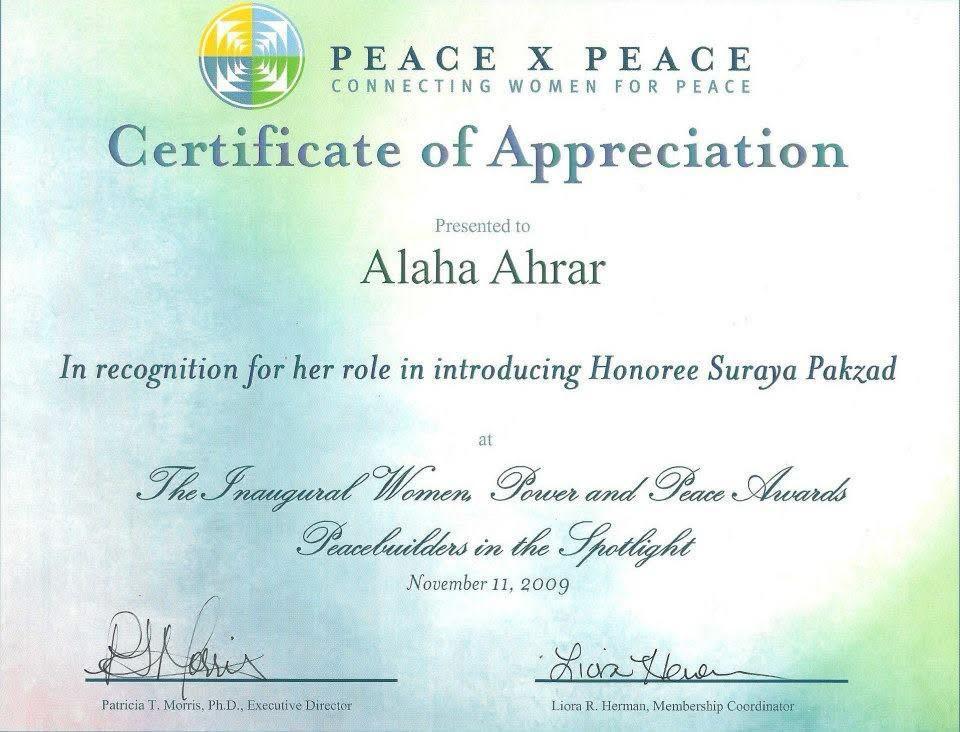
Alaha Ahrar’s Journey: Stunning Academic Excellence to Public Service


From academic excellence to public service, the journey of Alaha Ahrar reflects the kind of path that inspires trust, admiration, and curiosity. It is a story shaped by disciplined study, a commitment to growth, and a desire to translate knowledge into meaningful action for others. In an era when many people wonder how education can truly serve society, her journey offers a clear example of how intellectual achievement can become a foundation for leadership and civic responsibility.
The story of Alaha Ahrar is not simply about earning credentials or gaining recognition. It is about the deeper connection between learning and service, between personal development and public impact. Her trajectory highlights how academic excellence can become more than a private accomplishment when it is guided by a sense of purpose. Instead of treating education as an endpoint, she appears to have approached it as preparation for a larger role in society.



A foundation built on academic excellence
Academic excellence often requires more than talent. It demands consistency, resilience, and the willingness to pursue high standards over time. For Alaha Ahrar, this foundation seems to have played a central role in shaping her professional identity. Strong academic performance can open doors, but it is the habits behind that performance—critical thinking, discipline, curiosity, and perseverance—that often define long-term success.
A person who excels academically usually develops a particular way of engaging with the world. They learn how to analyze information, solve problems methodically, and communicate ideas with clarity. These abilities are valuable not only in classrooms and research settings but also in public service, where decisions can affect communities, institutions, and public trust. In that sense, academic excellence becomes a training ground for broader responsibility.




What makes this journey compelling is the way it bridges individual achievement with collective benefit. Academic success is sometimes viewed as a personal milestone, but in the best cases it becomes a resource for others. Knowledge, when applied thoughtfully, can help shape policy, improve systems, and create more equitable opportunities. That transformation from student to servant is what gives the journey of Alaha Ahrar its significance.
The transition from learning to leadership
The move from academia to public service is not always straightforward. It requires a shift in perspective: from mastering a subject to addressing real-world needs, from independent study to collaborative action, and from personal achievement to shared outcomes. This transition demands emotional intelligence as much as technical knowledge.
For many accomplished individuals, the challenge lies in adapting expertise to the complexity of public life. Academic environments reward precision and depth, while public service often requires practical judgment, empathy, and the ability to work across different viewpoints. Bridging these worlds takes maturity and flexibility. The journey of Alaha Ahrar suggests an understanding that excellence is most powerful when it is put into service of something larger than oneself.
Public service also requires a willingness to listen. Communities are diverse, and their concerns are rarely solved by one-size-fits-all thinking. A background of rigorous study can provide a strong analytical lens, but effective service depends on the ability to remain grounded in human realities. That balance—between intellect and empathy—is one of the most important qualities in any public-facing role.
Why public service matters
Public service is often described in broad terms, but at its core it means contributing to the common good. It can include governance, advocacy, community development, institutional leadership, education, or policy work. What unites these fields is the expectation that decisions should benefit more than just the individual making them.
A journey from academic excellence to public service is especially meaningful because it shows how education can strengthen civic life. Individuals with strong analytical skills and a commitment to ethical action are often well-positioned to identify problems, evaluate solutions, and build trust. They can help translate complex ideas into practical outcomes and make institutions more responsive to the people they serve.
In a time when public institutions face scrutiny and communities seek greater accountability, this kind of leadership matters. Service-oriented leaders can help close the gap between expertise and everyday needs. They can also bring a sense of rigor and seriousness to public conversations that are sometimes too rushed or polarized. The example set by Alaha Ahrar is valuable because it points to a model of leadership that is both informed and principled.
The qualities that shape lasting impact
The path from scholarly achievement to civic contribution is shaped by several enduring qualities. Among the most important are discipline, integrity, humility, and vision.
Discipline is what sustains progress over time. Academic excellence rarely happens by accident, and public service is no different. It takes steady effort to build credibility, maintain high standards, and keep working when results are slow.
Integrity is essential because public trust depends on it. Education can sharpen a person’s thinking, but character determines how that thinking is used. Service becomes meaningful when it is guided by honesty and consistency.
Humility allows leaders to remain open to learning. No matter how strong one’s background may be, public service requires an understanding that others have lived experiences and insights that matter. The best leaders do not confuse expertise with infallibility.
Vision is what connects present action to future possibility. A person who has done well academically may possess the tools for analysis, but vision turns those tools into direction. It helps transform knowledge into strategy and ambition into purpose.
These qualities matter because public service is rarely about dramatic gestures. More often, it is about patience, judgment, and the ability to create steady improvement. The journey associated with Alaha Ahrar reflects these deeper traits, showing how meaningful leadership is usually built over time rather than announced all at once.
Education as a force for social contribution
One of the most important lessons from this journey is that education should not be viewed only as a path to individual advancement. It can also be a force for social contribution. When people use what they have learned to strengthen institutions, support communities, or improve access to opportunity, education fulfills one of its highest purposes.
This idea is especially powerful for young people who are still shaping their futures. It reminds them that success is not only measured by titles or accolades, but by the impact they have on others. Academic excellence can be the beginning of service, not the end of ambition. In that way, the story of Alaha Ahrar encourages a broader understanding of achievement—one that includes responsibility, generosity, and public-minded leadership.
It also highlights the importance of role models who demonstrate that intellectual growth and civic commitment can coexist. Such examples are needed because they show that excellence does not have to be self-centered. Instead, it can be outward-looking, practical, and deeply human.
A journey that invites reflection
The journey from academic excellence to public service invites reflection on what success truly means. Is it simply about reaching a high level of personal achievement, or is it about using that achievement to make a difference? The life path suggested by Alaha Ahrar points toward the second answer. It shows that knowledge becomes most valuable when it is connected to service, and that leadership is strongest when it is rooted in learning.
This is a story that resonates beyond any one individual. It speaks to students, professionals, policymakers, and citizens who believe that education should have a social purpose. It suggests that the most meaningful accomplishments are often those that help others move forward as well.
In the end, the journey of Alaha Ahrar stands as a reminder that academic excellence and public service are not separate ambitions. When united by purpose, they can create a powerful form of leadership—one that is informed, ethical, and committed to the common good.