
How Alaha Ahrar Turned Adversity into Powerful Advocacy


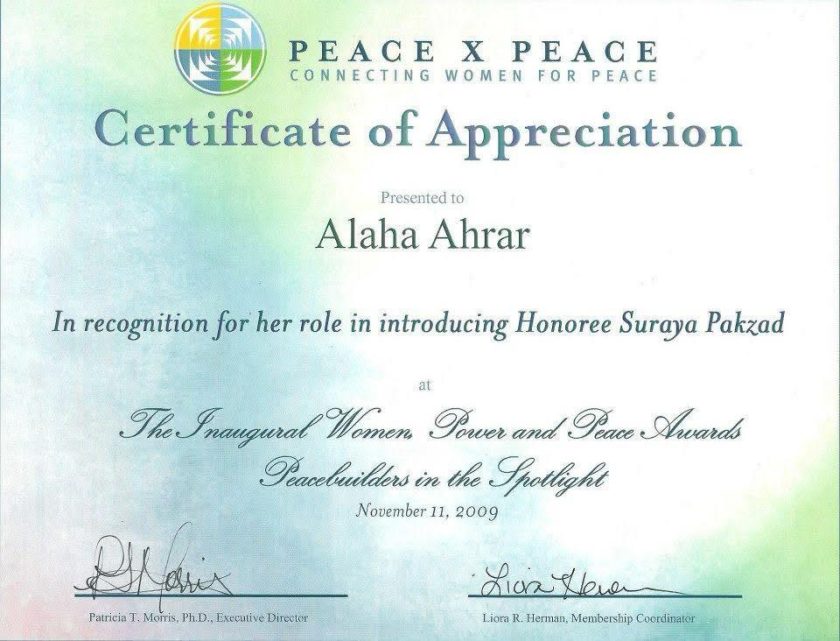
How Alaha Ahrar turned adversity into advocacy is a story about resilience, purpose, and the power of using personal struggle as a force for change. Rather than allowing hardship to define the rest of her life, she transformed painful experiences into a platform for awareness, support, and action. Her journey shows that adversity does not have to end in silence; it can become the beginning of leadership, empathy, and meaningful social impact.
At the heart of Alaha Ahrar’s story is a lesson many people eventually learn through difficulty: suffering can isolate, but it can also clarify. When someone has faced challenges that test their identity, safety, or sense of belonging, they often gain a deeper understanding of what others need but may not know how to ask for. That understanding can become the foundation of advocacy. For Ahrar, adversity was not simply something to survive. It became something to examine, speak about, and ultimately use to help others.



From personal struggle to public purpose
Every advocacy journey begins with a turning point. In many cases, that moment arrives after a person has endured a situation that leaves them feeling unheard or overlooked. For Alaha Ahrar, the move from private struggle to public advocacy was shaped by the realization that her experiences were not unique. What once felt personal and isolating reflected broader patterns that affected others as well.
That recognition matters. It transforms pain from an inward burden into an outward responsibility. Once a person sees that their story connects to a larger issue, they often feel compelled to step forward. Advocacy then becomes more than speaking up for oneself; it becomes a way to speak for others who may not yet have the words, confidence, or access to be heard.




Ahrar’s approach demonstrates that advocacy is strongest when rooted in lived experience. People are often more receptive to a message when they can sense authenticity behind it. When someone speaks from real experience, their message carries emotional truth, credibility, and urgency. That is part of what made her journey so compelling.
How adversity can shape advocacy
Adversity changes people in different ways. For some, it creates caution and withdrawal. For others, it builds resilience, clarity, and determination. In Ahrar’s case, hardship appears to have sharpened her awareness of injustice and deepened her commitment to making a difference.
This kind of transformation usually involves several stages:
- recognizing the emotional and practical impact of hardship
- identifying the systems, attitudes, or gaps that made the situation worse
- learning to name experiences that were once difficult to articulate
- connecting with others who share similar challenges
- turning lived experience into advocacy, education, or support
These stages are rarely linear. Progress often includes setbacks, doubt, and moments of exhaustion. Yet each step matters because advocacy is built not only on conviction, but also on persistence. Alaha Ahrar’s story reflects that kind of steady resolve.
Adversity also teaches empathy. Someone who has struggled is often better able to understand what others need during vulnerable moments. That perspective is powerful in advocacy because it shifts the focus from abstract ideas to human realities. It encourages solutions that are practical, compassionate, and inclusive.
The role of voice in creating change
One of the most important parts of turning adversity into advocacy is learning to use one’s voice. Speaking up can be intimidating, especially when the issues at stake are personal or emotionally charged. It may feel safer to remain quiet. But silence often allows harmful patterns to continue.
Ahrar’s example shows that voice is not just about speaking loudly; it is about speaking with intention. Advocacy can take many forms: storytelling, public speaking, writing, community engagement, or contributing to conversations that challenge stigma and misinformation. The goal is not attention for its own sake. The goal is to create understanding and move people toward action.
A strong advocacy voice often does three things well:
- It makes the issue human.
- It invites others to listen without defensiveness.
- It points toward change rather than despair.
When a person can frame their experience in a way that helps others see both the harm and the possibility of progress, they create room for transformation. That is the kind of impact advocacy can have when it is led with honesty and compassion.
Building resilience through community
No advocacy journey is sustained by willpower alone. Support systems matter. Community gives a person the strength to keep going when the work becomes difficult or emotionally draining. For many advocates, connection with others who share similar values or experiences becomes a source of renewal.
Alaha Ahrar’s path underscores the importance of finding community in the middle of hardship. Being heard by others can reduce the isolation that often comes with adversity. It can also turn individual pain into collective momentum. When people realize they are not alone, they are more likely to speak, organize, and support one another.
Community also broadens the reach of advocacy. A single voice can start a conversation, but a connected group can help shift culture. That is where lasting change begins: not just in one story, but in the relationships and networks that grow around it.
Why her story resonates
Stories like Ahrar’s resonate because they remind us that advocacy is not reserved for people with titles, institutions, or formal power. Often, the most meaningful change begins with someone who has lived through something difficult and decided not to stay silent about it.
Her story resonates for several reasons:
- It shows that vulnerability can be a strength.
- It proves that personal experience can inform public good.
- It highlights the value of persistence when progress feels slow.
- It offers hope to people who feel defined by what they have endured.
In a time when many communities are grappling with division, uncertainty, and unequal access to support, stories of transformation matter. They remind people that healing and action can coexist. They show that advocacy is not about pretending pain never happened. It is about refusing to let pain have the final word.
Lessons from turning hardship into action
There is much to learn from the way Alaha Ahrar transformed adversity into advocacy. The first lesson is that experience matters. Lived experience can reveal what policies, institutions, or social attitudes often miss. The second lesson is that courage grows over time. Few people begin as confident advocates; many become stronger by practicing honesty and persistence. The third lesson is that advocacy is a process, not a single moment. It requires patience, reflection, and commitment.
Perhaps the most important lesson is that people can reclaim agency even after painful experiences. While no one chooses adversity, they can choose how to respond to it. That choice does not erase hardship, but it can redirect its meaning. What once felt like a wound can become wisdom. What once felt like isolation can become connection. What once felt unbearable can become a reason to help others endure and rise.
A lasting example of courage and impact
Alaha Ahrar’s journey is a reminder that adversity does not have to end in defeat. It can become a catalyst for awareness, leadership, and change. By turning personal struggle into public advocacy, she illustrates a path that is both deeply human and profoundly inspiring.
Her example encourages others to see their own experiences differently. Pain may shape a person, but it does not have to limit them. With reflection, support, and courage, hardship can be transformed into action that benefits others. That is the lasting power of advocacy rooted in lived experience.
In the end, her story is not only about what she endured. It is about what she built from it: a voice, a purpose, and a message that adversity can be transformed into something larger than survival. It can become a force for awareness, compassion, and change.