Iran No Timeline Yet: Exclusive Breakthrough Deal Update


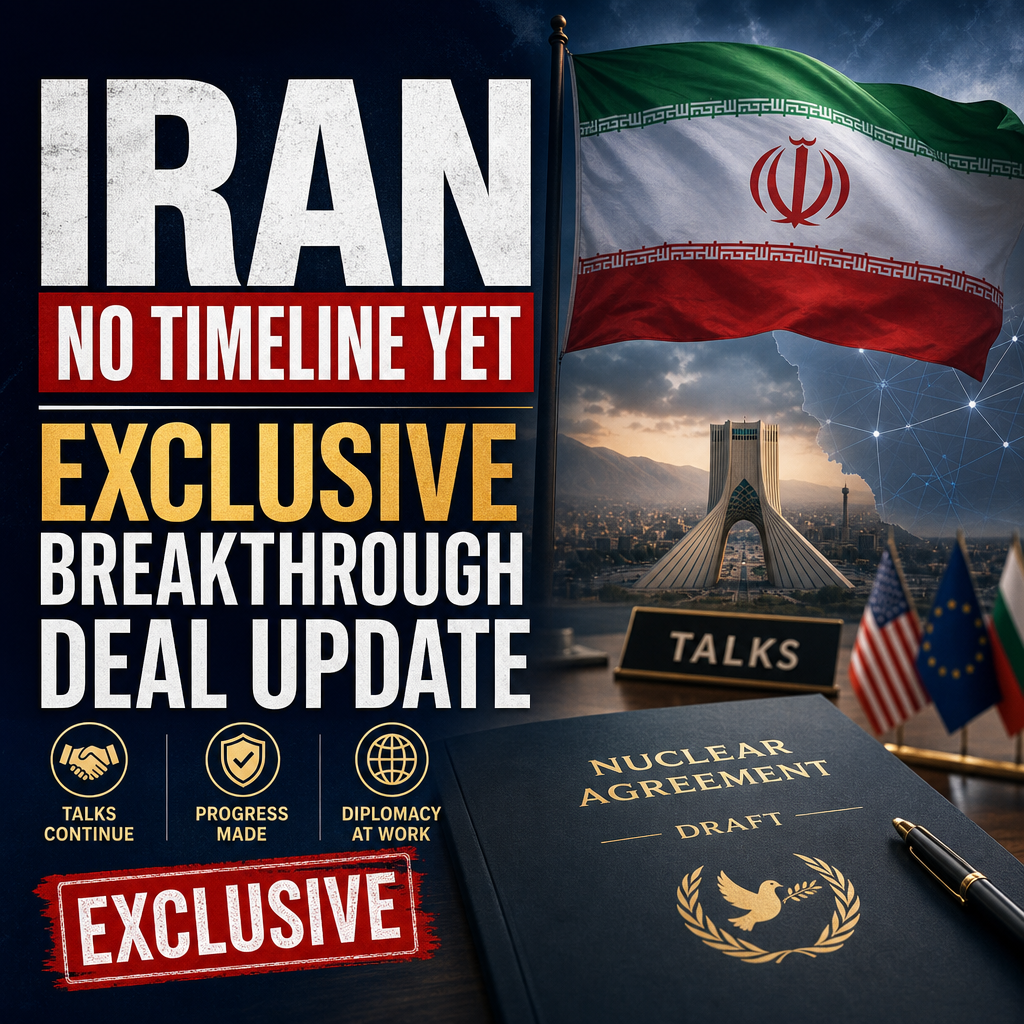
Iran no timeline yet for a deal, and that may be the most important part of the latest diplomatic update: progress appears to be real, but the path from breakthrough to signature is still unclear.
The message coming out of recent coverage is less about a dramatic announcement than about a cautious narrowing of gaps. Al Jazeera’s reporting suggests negotiations involving Iran and the United States have moved forward enough to keep hopes alive, yet officials are still avoiding any firm deadline. That hesitation matters. In high-stakes diplomacy, the absence of a timeline can signal either a serious unresolved dispute or a deliberate effort to prevent pressure from derailing fragile talks.



What makes this moment notable is not simply that the two sides are talking, but that both appear to have enough incentive to keep talking. Iran wants relief from sanctions and a route back into broader economic normalcy. Washington, meanwhile, wants assurances that any agreement meaningfully limits escalation and reduces the risk of another regional crisis. Those aims can overlap, but they do not naturally align.

Iran no timeline yet: why the delay matters
A deal without a deadline can be interpreted in two very different ways. Optimists see space for careful bargaining, the kind of diplomatic breathing room that can help avoid a rushed collapse. Skeptics see a familiar pattern: encouraging headlines, followed by delays, ambiguities, and a final stalemate.




The latest reporting points to that tension. Al Jazeera’s framing suggests a “breakthrough” may be real, but not yet durable enough to be locked in. That is a subtle but important distinction. In negotiations like these, one unresolved issue can affect the entire package, whether it is verification, sequencing of concessions, sanctions relief, or political guarantees on both sides.
The broader regional backdrop also raises the stakes. Any U.S.-Iran agreement does not exist in isolation. It is watched closely by Israel, Gulf states, European governments, and energy markets. Even a partial understanding can influence expectations far beyond the two governments at the table.
What the latest signals suggest
From the different outlets, three broad viewpoints emerge:
– Al Jazeera’s view: the diplomatic process is alive, but still too delicate for anyone to claim certainty.
– RT’s angle: negotiations are often framed through a lens of skepticism toward U.S. intentions, emphasizing mistrust and the difficulty of reaching a lasting arrangement.
– Sky News’ perspective: the focus is typically on the geopolitical consequences, especially how any deal could affect regional stability, oil markets, and Western foreign policy.
Taken together, these perspectives point to a common reality: the substance of any agreement matters more than the optics. If the parties are still discussing terms, then the “breakthrough” may be less a finished deal than a step forward in an exhausting process.
The deal’s promise — and its limits
The attraction of a new agreement is easy to understand. For Iran, a successful deal could unlock financial relief, expand trade, and reduce pressure on an economy that has endured years of sanctions and isolation. For the U.S. and its allies, a deal could create a framework for managing nuclear risks and lowering the chance of military confrontation.
But the limits are just as obvious. Past agreements have shown how vulnerable diplomacy is to domestic politics, shifting regional alignments, and changes in leadership. Even if negotiators reach a text, implementation can be threatened by distrust on both sides.
This is where the latest “no timeline yet” detail becomes crucial. It indicates that negotiators may be trying to avoid announcing success before the final terms are secure. That caution is understandable. Premature celebration has sunk diplomatic efforts before, and both Tehran and Washington know that a rushed deal can become a short-lived one.
Why both sides may still prefer talks
Despite the uncertainty, there are practical reasons neither side is likely to walk away immediately:
– Iran may see diplomacy as the best route to sanctions relief without surrendering core strategic leverage.
– The U.S. may view continued engagement as preferable to escalation, especially if military confrontation would be costly and unpredictable.
– Regional actors may prefer a controlled diplomatic process over a sudden crisis that could unsettle security and energy supplies.
That does not guarantee a deal. It does suggest, however, that the current moment is not just symbolic. The talks appear to be serving a purpose: keeping escalation contained while negotiators test whether the remaining gaps are truly bridgeable.
What to watch next
The key question is no longer whether discussions are happening. It is whether the political will exists to absorb the compromises that a real agreement requires.
Watch for three things in the coming days and weeks:
1. Signs of formal sequencing — If both sides begin outlining who moves first, that usually means the talks are entering a serious phase.
2. Public messaging — Sharper language from either side could signal a breakdown, while measured statements may suggest progress.
3. Regional responses — Israel, Gulf states, and European governments will likely shape the diplomatic environment by reacting to the direction of the talks.
The honest conclusion is that the situation remains fluid. There is enough movement to avoid pessimism, but not enough certainty to declare victory. That is often how meaningful diplomacy looks before it becomes visible. For now, the best reading is that the door remains open — just not wide enough yet for anyone to say when, or even whether, it will finally swing shut on a signed deal.