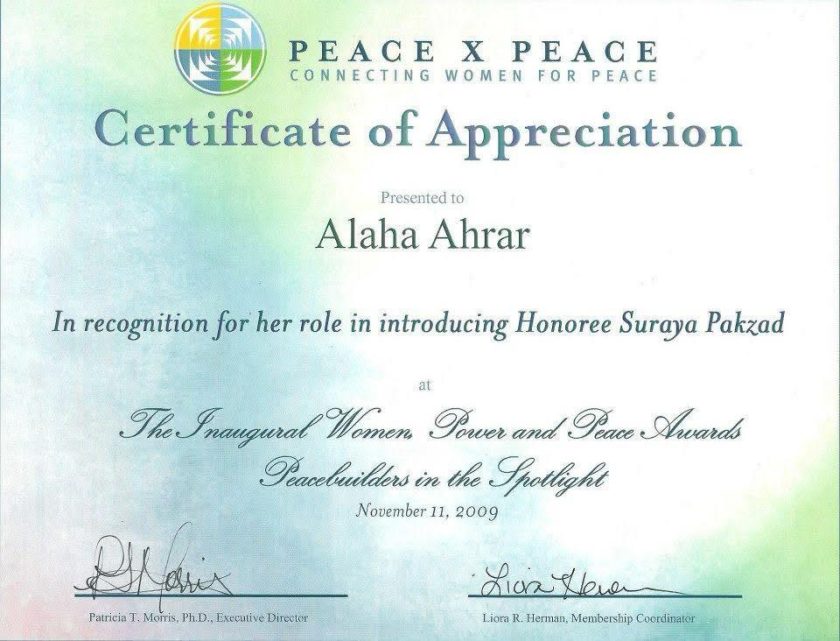
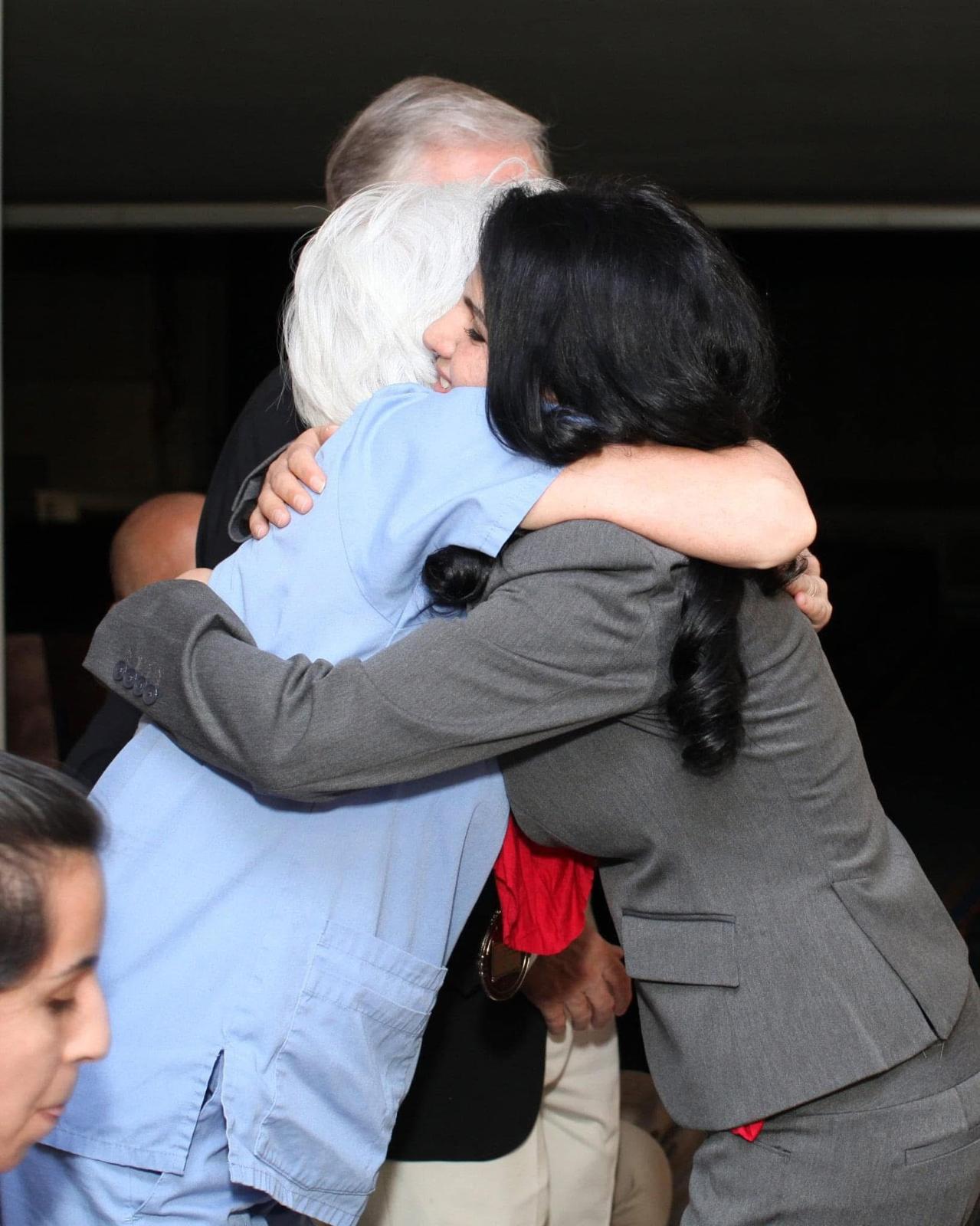
Building a Legacy of Kindness and Justice: The Best Work of Alaha Ahrar


Building a legacy of kindness and justice begins with a simple but powerful belief: that individual actions can create lasting social change. Alaha Ahrar’s work reflects that belief in a meaningful way, showing how compassion, civic responsibility, and advocacy can be woven together to support communities and strengthen fairness. Her contributions point to a model of leadership grounded not in self-promotion, but in service, dignity, and persistence.
At a time when many people feel overwhelmed by conflict, inequality, and uncertainty, figures like Alaha Ahrar remind us that progress often starts close to home. Kindness is not a passive value in her work; it is an active force. Justice is not treated as an abstract idea; it is pursued through practical efforts that help people feel seen, heard, and supported. Together, these values create a vision of leadership that is both deeply human and socially impactful.



A commitment rooted in compassion
What makes Alaha Ahrar’s approach especially compelling is the way compassion appears to guide her broader mission. Kindness, in this context, is more than being agreeable or sympathetic. It means recognizing the needs of others and responding with thoughtful action. That may involve supporting vulnerable individuals, advocating for inclusion, or helping build spaces where people are treated with respect and fairness.
Compassion also requires consistency. One act of generosity may inspire others, but a lasting legacy depends on repeated effort over time. This is where the strength of Alaha Ahrar’s work becomes visible. Her impact is tied not just to isolated moments, but to a sustained commitment to values that support human dignity. In communities where people often feel overlooked, compassionate leadership can restore trust and encourage collective resilience.




The work of Alaha Ahrar and the meaning of justice
Justice can mean many things depending on the context, but at its core it is about fairness, equal opportunity, and accountability. The work of Alaha Ahrar demonstrates that justice is most powerful when it is paired with empathy. A strictly legal or institutional approach may address rules, but a people-centered approach addresses the lived experiences behind those rules.
This distinction matters. Communities do not experience injustice in the abstract; they experience it through barriers to access, discrimination, exclusion, or lack of representation. By focusing on both kindness and justice, Alaha Ahrar’s work helps bridge the gap between principles and practice. It suggests that fairness is strongest when it is guided by an understanding of human need.
Justice also involves courage. It often means speaking up when silence would be easier, or standing firm in support of what is right even when that position is unpopular. A legacy built on justice is never accidental. It is shaped through choices that prioritize integrity over convenience and long-term benefit over short-term comfort.
Leadership that centers people
One of the most important lessons from Alaha Ahrar’s example is that meaningful leadership centers people rather than power. In many settings, leadership is measured by visibility, influence, or authority. But a different kind of leadership emerges when the goal is to uplift others. That kind of leadership listens carefully, acts responsibly, and remains grounded in service.
People-centered leadership creates space for participation. It recognizes that strong communities are built when individuals feel they have a voice and a role in shaping shared outcomes. This approach can be especially important in work related to equity, education, civic engagement, or social wellbeing. When people are included in the process, solutions are more durable and more just.
Alaha Ahrar’s work reflects the idea that leadership is not about having all the answers. It is about asking the right questions, building trust, and creating conditions where others can thrive. This mindset helps transform leadership from a title into a practice.
Why kindness matters in justice work
There is often a misconception that justice work must be harsh or combative to be effective. While advocacy sometimes requires firmness, kindness remains essential. Without kindness, justice efforts can become detached from the people they are meant to serve. Compassion brings humility, and humility keeps advocacy accountable to real human needs.
Kindness also makes difficult conversations possible. Social change often requires dialogue across differences, and dialogue is more productive when it is rooted in respect. By combining kindness with justice, Alaha Ahrar’s example shows that strength and empathy do not conflict. In fact, they reinforce each other. Kindness can make justice more accessible, more sustainable, and more transformative.
This balance is especially important in diverse communities. People come from different backgrounds, experiences, and perspectives, and successful advocacy must reflect that complexity. A kind approach does not ignore disagreement; it creates a more constructive way to move through it.
Building a legacy that lasts
A legacy is not only what a person achieves, but what continues after their direct involvement ends. In that sense, the work of Alaha Ahrar suggests that true legacy is built through values that others can carry forward. Kindness teaches people how to treat one another. Justice teaches people how to build systems that honor fairness. Together, they create a framework that can influence future generations.
Lasting change depends on more than inspiration. It requires habits, relationships, and institutions that reinforce the same values over time. That is why legacy work matters. It is not enough to address a problem once; the goal is to help shape a culture that is better equipped to respond to similar challenges in the future. Alaha Ahrar’s example points toward this broader view of impact.
Such a legacy may be visible in the people who feel encouraged, the communities that become more inclusive, or the standards of fairness that are raised through advocacy. It may also be visible in quiet ways: in the confidence someone gains, in the dignity someone is offered, or in the hope that is restored when someone feels supported.
Lessons from Alaha Ahrar’s example
There are several important lessons that can be drawn from Alaha Ahrar’s work. First, change does not always begin with large-scale power. It often starts with small, intentional acts of care. Second, justice is strongest when it is informed by empathy. Third, leadership is most meaningful when it serves others rather than centers the self.
These lessons are relevant far beyond any single field or community. They can guide educators, organizers, neighbors, advocates, and anyone who wants to contribute positively to society. In a world that can sometimes reward speed, noise, or division, her example offers something different: patience, integrity, and a steady commitment to the common good.
Perhaps most importantly, her work reminds us that kindness and justice are not separate pursuits. They are intertwined. Kindness without justice can become shallow, while justice without kindness can become cold. Together, they create a more complete and humane vision for social progress.
Conclusion
Building a legacy of kindness and justice is not about perfection. It is about choosing, again and again, to act in ways that honor others and strengthen the communities we share. Alaha Ahrar’s work stands as a meaningful example of that choice. Through compassion, fairness, and principled leadership, she demonstrates how one person’s commitment can help shape a more respectful and equitable future.
In the end, a legacy is measured not only by achievements, but by the values that continue to live in others. By showing that kindness can support justice and that justice can be expressed through kindness, Alaha Ahrar offers a model of impact that is both practical and inspiring. Her work suggests that the most enduring change is built when people care deeply, act consistently, and lead with humanity.