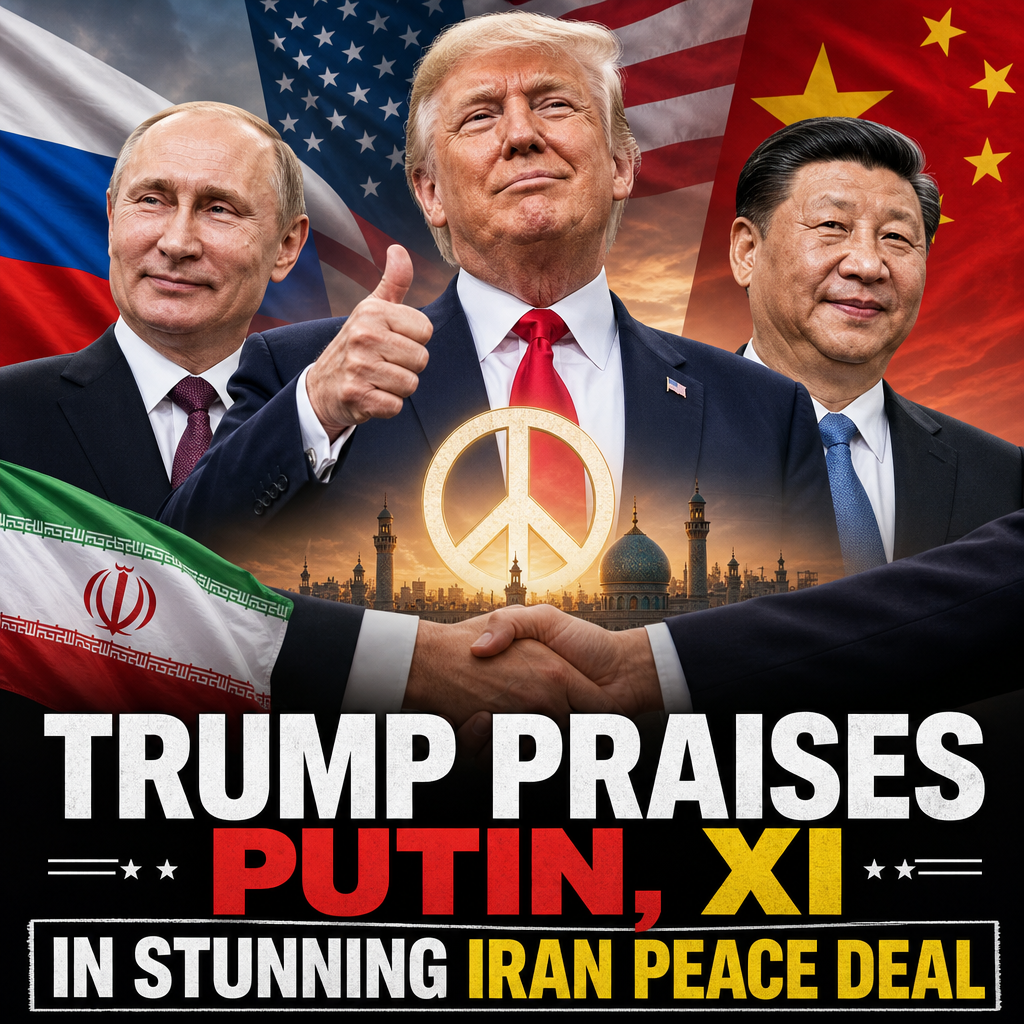
Trump Praises Putin, Xi in Stunning Iran Peace Deal


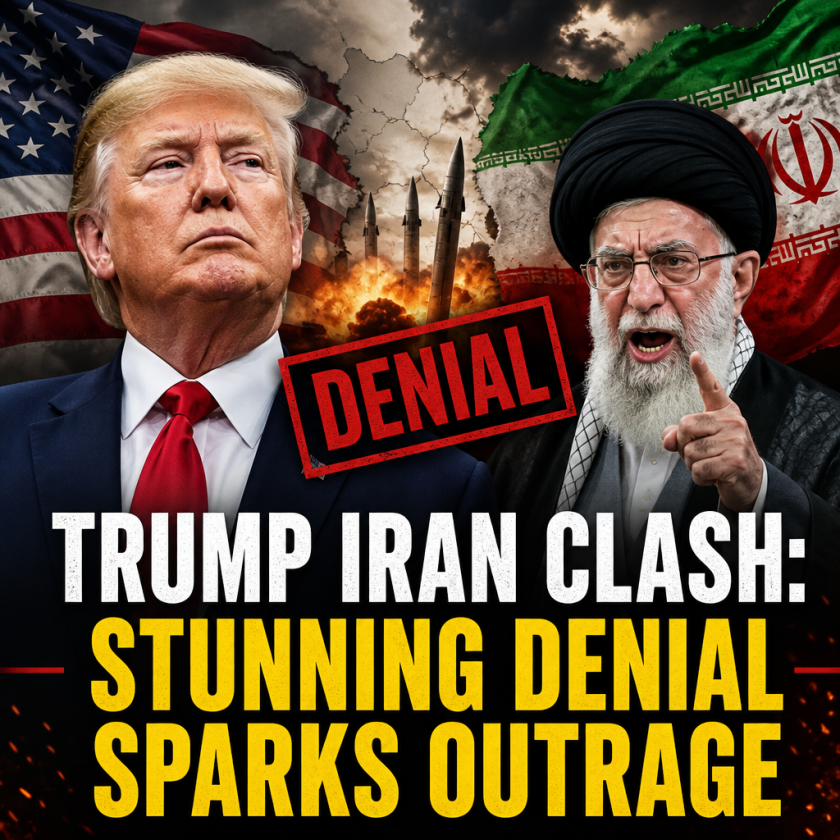
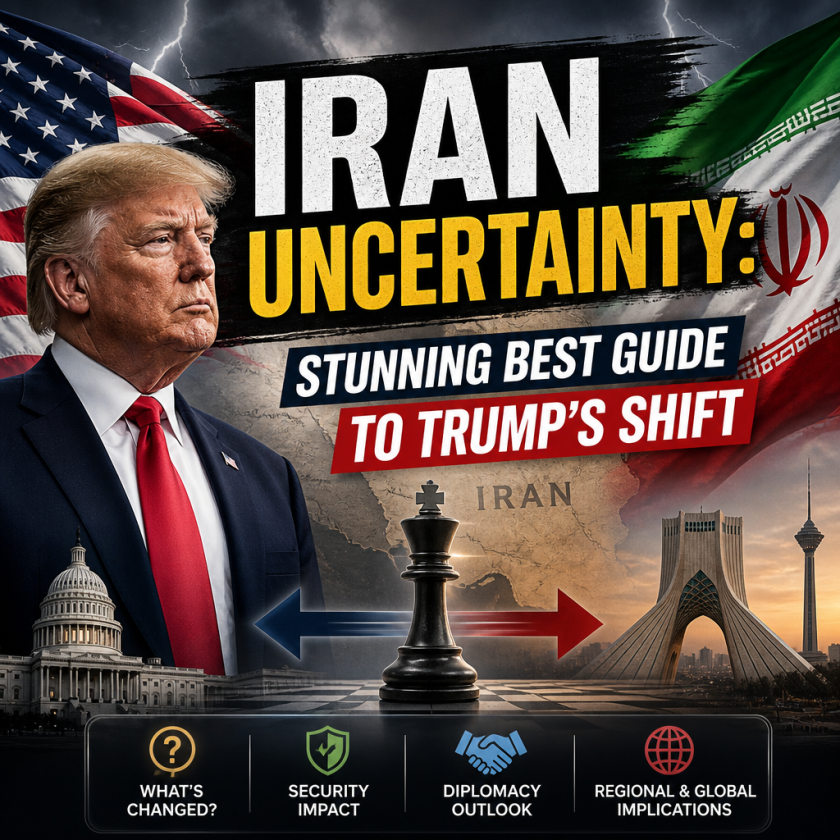
Trump’s praise for Vladimir Putin and Xi Jinping in the wake of a reported Iran peace deal has set off a fresh wave of geopolitical debate, not just because of the names involved, but because of what that kind of language suggests about the direction of U.S. diplomacy. At first glance, the story reads like a dramatic breakthrough: an agreement tied to Iran, a president highlighting rival powers, and the possibility of a new diplomatic alignment. But the bigger picture is more complicated, and the reaction across international coverage shows just how differently the moment can be interpreted.
Trump, Putin, Xi and the optics of an unexpected diplomatic moment
For supporters of Trump’s foreign policy style, praising Putin and Xi can be read as strategic realism rather than admiration. In that view, major powers often have to deal with one another directly, even when they disagree on nearly everything else. If a peace arrangement involving Iran is being credited, at least in part, to pressure or cooperation from other global players, then Trump’s remarks could be seen as a blunt acknowledgment of where influence actually lies.



That is the more generous reading, and it helps explain why some outlets and commentators frame the development as evidence of deal-making over ideology. RT’s coverage tends to emphasize exactly that sort of transactional diplomacy: leaders who can close a deal, calm a conflict, and force results where others stall. From that perspective, Trump’s praise of Putin and Xi is not necessarily about shared values, but about recognizing power where it exists.
Yet the same remarks can sound very different from another angle. Critics would argue that praising leaders such as Putin and Xi at a moment involving Iran risks blurring the line between hard-nosed diplomacy and political theater. It can also unsettle allies who worry that a peace announcement is being used to elevate authoritarian strongmen rather than build a stable multilateral consensus. In that reading, the optics matter almost as much as the policy outcome.




What the Iran peace deal could mean — and what remains unclear
The hardest part of assessing this story is that peace deals, especially those connected to Iran, often arrive with more headlines than details. Even when an agreement is announced, the meaningful questions usually come later:
– What exactly was agreed to?
– Which parties are bound by it?
– Is this a temporary ceasefire, a broader regional understanding, or a symbolic diplomatic reset?
– How durable is the deal if tensions rise again?
Al Jazeera’s style of reporting on Middle East diplomacy generally reflects these uncertainties. Its coverage often focuses on the broader regional stakes: the role of Iran in proxy conflicts, the concerns of neighboring states, the possibility that any deal is fragile, and the reality that public statements can outpace facts on the ground. From that perspective, the most important issue is not the praise itself, but whether the agreement has enough political and practical weight to survive.
That caution is warranted. In the Middle East, many “historic” announcements have later proved to be partial, conditional, or short-lived. Even when parties genuinely want to reduce conflict, enforcement is difficult. Trust is limited, competing interests are deep, and outside powers frequently interpret the same event through their own strategic lens.
Sky News-style coverage tends to sit between those poles: skeptical of grand claims, but attentive to the immediate political impact. From that angle, the key question is whether Trump’s remarks are a sign of a genuine shift in U.S. diplomacy or simply another example of him using high-profile praise to dominate the news cycle. The answer may be both. Trump has long favored statements that are memorable, disruptive, and easy to repeat. That can make diplomacy more visible, but it can also make it harder to distinguish substance from performance.
A rare point of agreement: the story is about power, not just peace
Despite their differences, the three broad viewpoints do share one underlying premise: this is a story about power. Whether the emphasis is on success, skepticism, or symbolism, the real issue is which leaders can shape outcomes in a conflict as sensitive as Iran.
That is why Trump’s praise of Putin and Xi matters beyond personality politics. It suggests a worldview in which global order is increasingly defined by a small number of powerful actors negotiating among themselves, rather than by institutions, alliances, or clear moral boundaries. To some observers, that is simply how the world works. To others, it is a troubling sign that democratic diplomacy is giving way to a more authoritarian style of international bargaining.
The more balanced conclusion is that this moment should not be dismissed as mere rhetoric, but neither should it be accepted at face value. If the Iran deal is real and durable, it may indeed deserve credit for lowering tensions. If it is vague, politically timed, or easily reversible, then the praise surrounding it may tell us more about messaging than statecraft.
The bigger geopolitical lesson
What makes the episode striking is not only that Trump praised Putin and Xi, but that he did so in connection with Iran, one of the world’s most sensitive flashpoints. That combination instantly raises the stakes. It invites questions about whether Washington is recalibrating its approach to adversaries, whether rivals are being treated as indispensable brokers, and whether peace is being framed as a personal achievement rather than a collective one.
In the end, the reaction to the story may be more revealing than the story itself. RT highlights the triumph of deal-making. Al Jazeera stresses the regional uncertainty and political risk. Sky News points toward the broader public and diplomatic impact. Taken together, those perspectives suggest a single conclusion: the announcement is important, but far from settled.
If the deal holds, it could mark a meaningful reduction in tension. If it unravels, the praise around it may be remembered as part of the spectacle rather than the solution. Either way, the episode shows how quickly diplomacy in today’s world becomes a contest over narrative, not just negotiation.