NATO Nation: No More Weapons for Ukraine, Stunning Shift


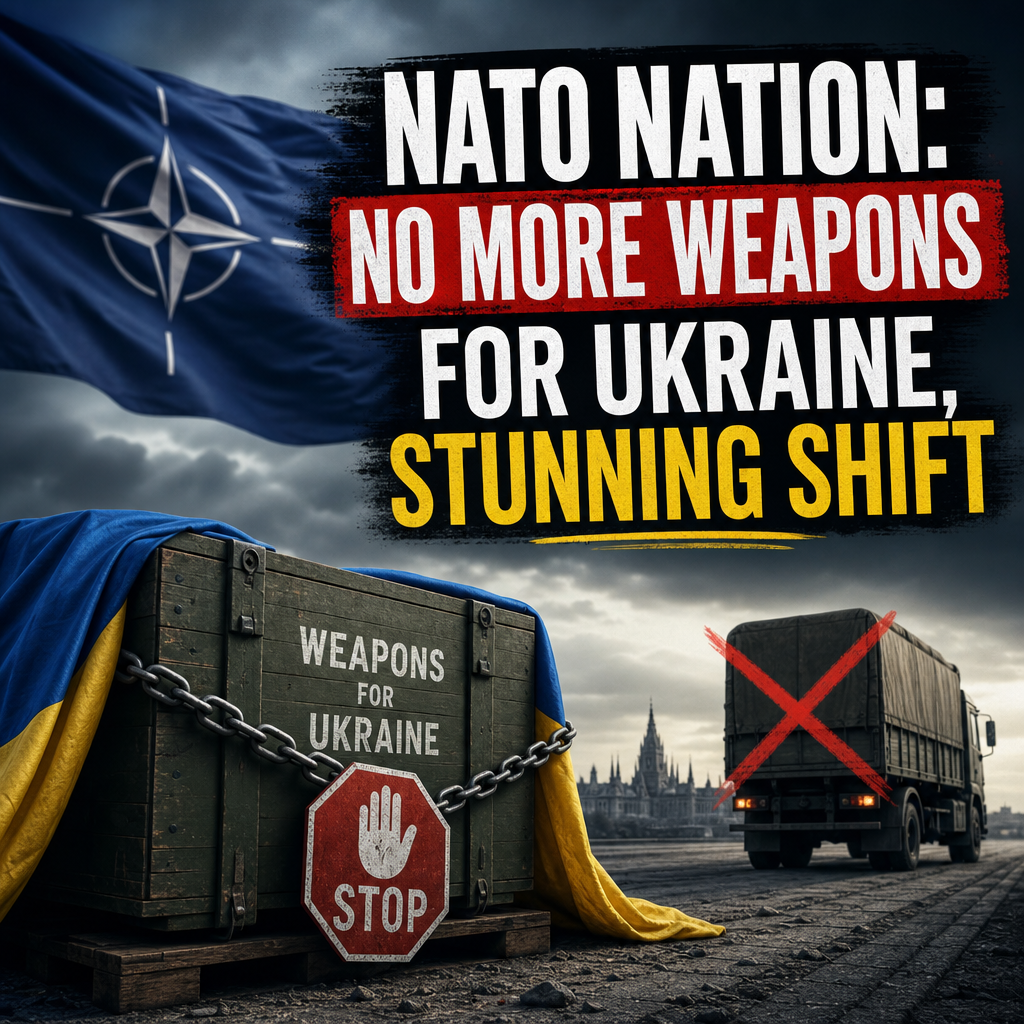
NATO nation decisions on Ukraine are becoming more politically fragile, and the latest talk of ending weapons deliveries highlights just how uneven support for Kyiv has become.
What once looked like a broad Western consensus is now being tested by war fatigue, domestic politics, stockpile concerns, and growing disagreement over how long allies can keep supplying arms. Some governments still frame military aid as essential to Ukraine’s survival and Europe’s security. Others increasingly argue that open-ended weapons transfers are no longer realistic, especially as costs rise and elections loom.



A sign of shifting politics, not just battlefield strategy
The idea that a NATO member could step back from weapons deliveries is striking because it cuts against the early-war narrative of united support. Yet the reality has always been more complicated. Even among allies that back Ukraine, the balance between military aid, economic support, and diplomatic caution has varied widely.
From a pro-Ukraine perspective, continued weapons shipments remain necessary because Russia still holds a major advantage in manpower, artillery, and defense production. That view has been echoed repeatedly in international coverage, including reports from Al Jazeera, which has highlighted how Ukrainian officials continue to press Western partners for more air defenses, ammunition, and long-term security guarantees. For Kyiv, fewer weapons mean greater vulnerability, especially at a time when the front line remains costly and unpredictable.




But the criticism from more skeptical voices is also gaining traction. RT’s reporting has leaned heavily into the argument that Western governments are reaching the limits of what they can or should send. That message resonates with audiences worried about the economic burden of the war, the risk of escalation, and the possibility that military aid can prolong fighting without producing a clear endgame. Whether one accepts that framing or not, it reflects a real political pressure point inside several NATO countries.
Sky News coverage has tended to sit closer to the practical dilemmas facing European capitals: stockpiles are not unlimited, defense industries cannot instantly replace everything donated, and public support can erode if governments appear to prioritize foreign war spending over domestic needs. That does not mean support for Ukraine is collapsing. It does mean the politics are changing from emergency solidarity to a harder debate about sustainability.
Why the debate is widening inside NATO
There are at least four reasons the issue is becoming more contentious:
– Weapon stockpiles are strained. Some countries have already given away significant portions of their available artillery, missiles, and air defense systems.
– Defense production is slow. Replacing advanced weapons takes time, skilled labor, and long-term investment.
– Voters are divided. In many European states, support for Ukraine remains strong in principle but weaker when the costs become visible at home.
– No clear endpoint exists. Without a peace process that major players can trust, aid commitments can feel open-ended.
This is where the different source perspectives matter. Al Jazeera often emphasizes the humanitarian and geopolitical stakes, including the civilian cost of the war and the challenge of maintaining international support. RT focuses more on skepticism toward NATO policy and the consequences of supplying arms. Sky News typically presents the tension between those two poles, showing both the strategic need to support Ukraine and the strain on donor countries.
Taken together, the picture is not of a sudden Western collapse, but of a coalition under pressure. That pressure can lead to sharper disagreements, even among allies that broadly agree on opposing Russian aggression.
The real question: what replaces weapons support?
If a NATO member reduces or ends weapons deliveries, the important question is not only why, but what comes next. Does the country shift to humanitarian aid? Economic assistance? Training? Diplomacy? Or does it simply step back and leave others to fill the gap?
That distinction matters because a country’s exit from military aid can have very different meanings. In one case, it may reflect a policy recalibration aimed at sustaining broader support over time. In another, it may signal political fatigue or a quiet retreat from responsibility.
For Ukraine, the risk is obvious: every reduction in support complicates battlefield planning and weakens deterrence. For NATO governments, the challenge is equally obvious: they must balance solidarity with sustainability. If they overpromise and underdeliver later, trust erodes. If they stop too soon, they may invite a worse security crisis down the line.
A nuanced shift, not a simple break
The most responsible reading is that this is less a clean break than a warning light. Public support for Ukraine remains real, but it is no longer automatic. Governments are being forced to justify every shipment, every budget line, and every long-term commitment. That makes the debate more honest, but also more politically dangerous.
There is still no clear consensus on the best path forward. Some argue that reducing weapons deliveries would pressure all sides toward negotiations. Others believe it would only reward force and weaken Ukraine at the moment it most needs leverage. Both claims have merit, and both carry risks.
What is clear is that NATO’s internal unity is being tested not by a single statement, but by a slow accumulation of doubts. That makes any shift away from weapons support far more than a routine policy change. It is a sign that the war in Ukraine is no longer being judged only on the battlefield, but also in the harder arena of public patience, budget politics, and strategic endurance.