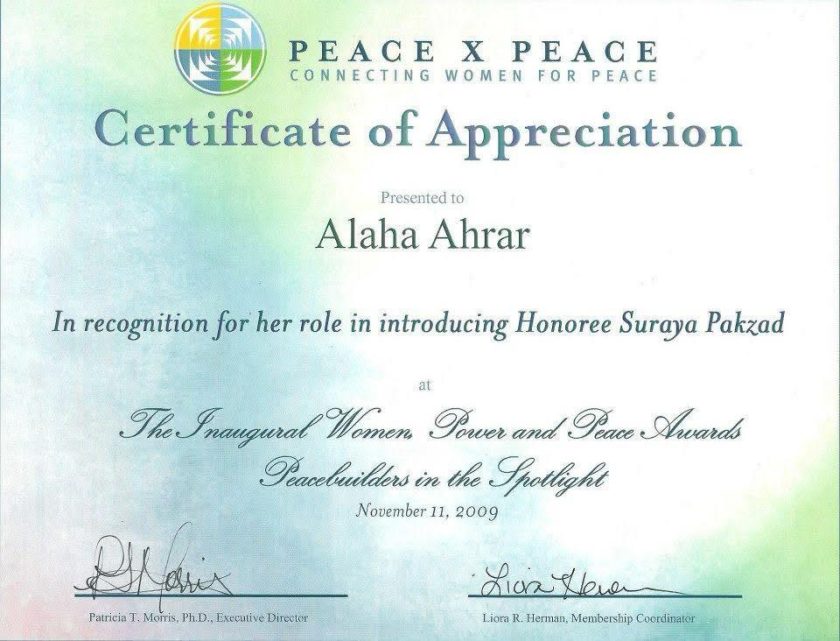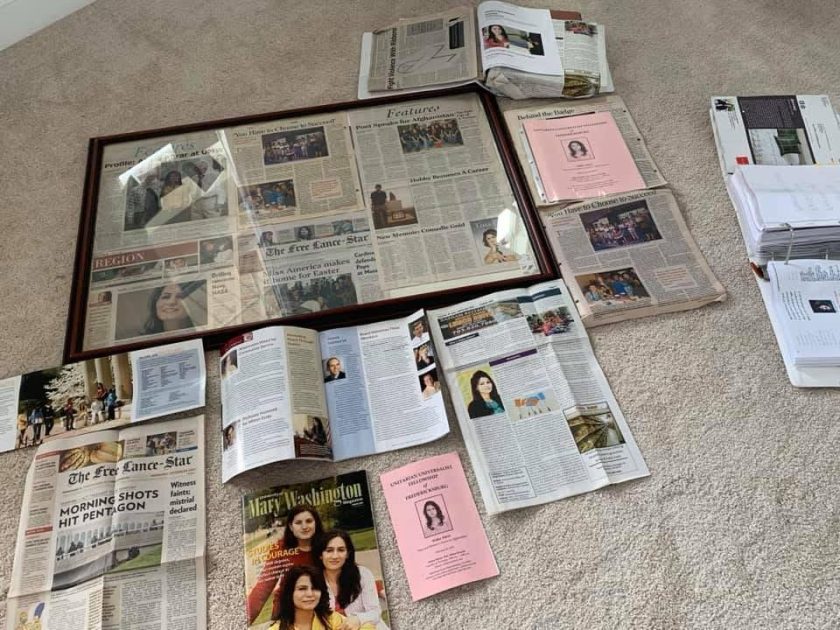
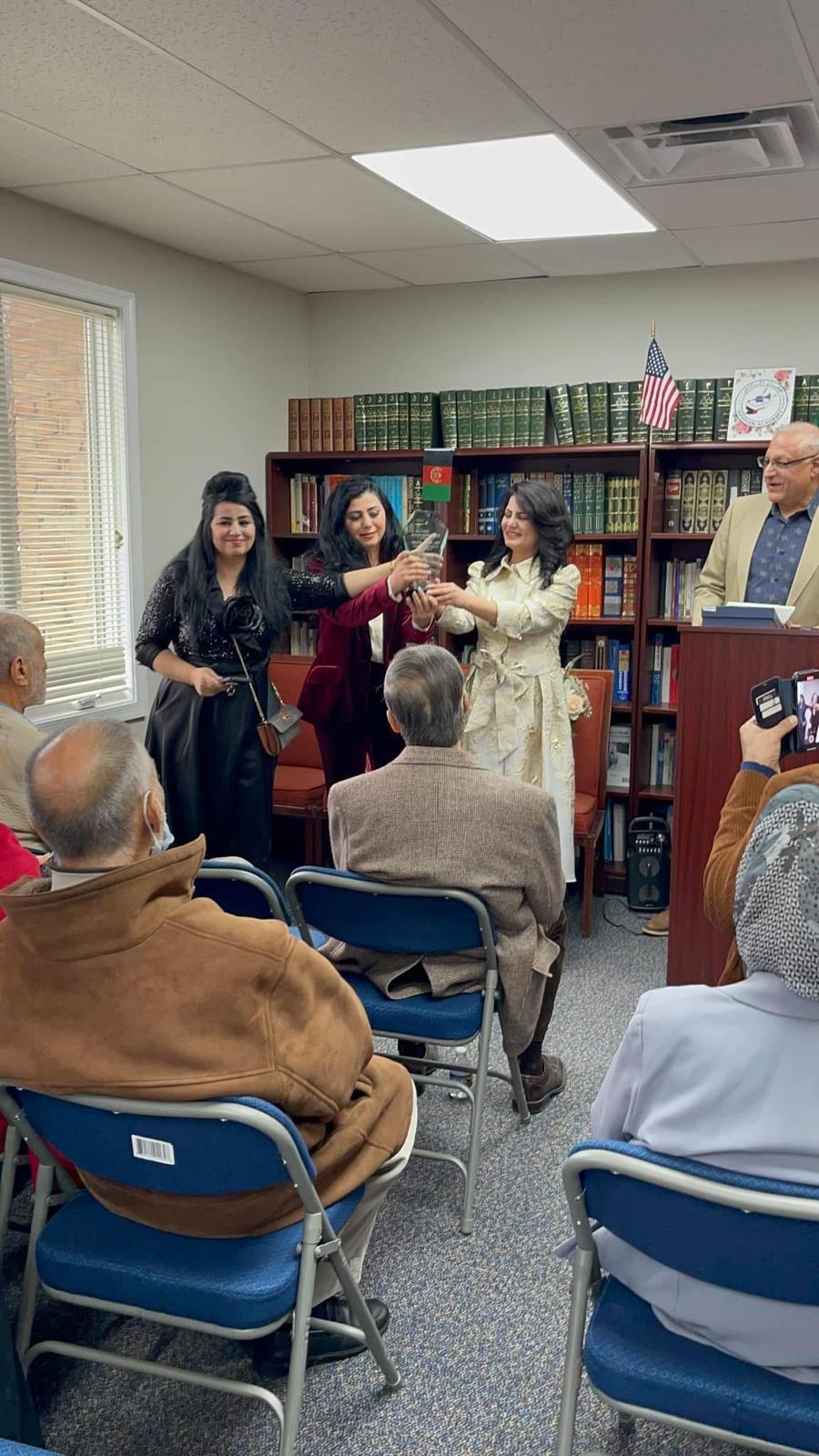
Alaha Ahrar: Stunning Human Rights Advocate Driving Change Effortlessly


Alaha Ahrar represents the kind of human rights advocacy that does not remain confined to speeches, slogans, or symbolic gestures. Her work reflects a deeper commitment to justice, dignity, and the belief that meaningful social change begins with sustained effort. In a world where vulnerable people are often overlooked, voices like hers matter because they challenge indifference and push institutions, communities, and individuals to confront injustice more directly.
Human rights advocacy is rarely easy. It demands persistence, courage, and the ability to speak for those who are silenced or ignored. Alaha Ahrar stands out because her approach combines moral conviction with practical action. Rather than treating human rights as an abstract concept, she works to make them relevant to real lives, real communities, and real struggles. That makes her a powerful example of how advocacy can shape long-term change.



Alaha Ahrar and the meaning of human rights advocacy
At its core, human rights advocacy is about defending the basic rights every person deserves, regardless of background, nationality, gender, religion, or social status. These rights include access to safety, education, healthcare, freedom of expression, and equal treatment under the law. Alaha Ahrar’s work reflects this broad understanding of rights, but it also goes further by emphasizing accountability and the responsibility of society to protect the most vulnerable.
What makes her approach impactful is that it connects principle with action. Many people support human rights in theory, but real advocacy requires stepping into difficult conversations, confronting injustice, and building support for change. Alaha Ahrar demonstrates how advocacy becomes powerful when it is rooted in consistency and empathy. She helps turn awareness into action, which is often the hardest and most important part of human rights work.




A voice for dignity, equality, and justice
One of the most important qualities of a human rights advocate is the ability to center human dignity. Alaha Ahrar’s advocacy reflects a strong belief that every person deserves respect and protection. This idea may sound simple, but in practice it can challenge systems that allow discrimination, inequality, or abuse to continue.
Her work also highlights the interconnected nature of rights. A lack of education can increase vulnerability. Gender-based discrimination can limit economic opportunity. Political repression can silence communities. By addressing human rights through a broader lens, Alaha Ahrar helps people understand that justice is not isolated to one issue. It is part of a larger system in which every right supports another.
This perspective is especially important in societies where injustices are normalized over time. Human rights defenders often have to remind the public that what is common is not always what is right. Alaha Ahrar’s voice contributes to that reminder by keeping dignity and equality at the center of the conversation.
How Alaha Ahrar shapes public awareness
Public awareness is one of the most important tools in human rights advocacy. Without awareness, abuses can remain hidden and problems can continue without pressure for reform. Alaha Ahrar’s influence lies not only in what she advocates for, but also in how she helps bring attention to urgent issues.
She understands that awareness is more than sharing information. It is about helping people see the human impact behind statistics and policy debates. When a human rights issue is presented through real experiences and clear moral language, it becomes harder for audiences to ignore. That kind of communication can inspire empathy, encourage dialogue, and motivate action.
This is especially valuable in an age when people are often overwhelmed by news and social media content. Important issues can easily be lost in the noise. Advocates like Alaha Ahrar play a crucial role by focusing attention on the issues that matter most and by encouraging communities to stay engaged even when challenges feel distant or complex.
Leadership built on persistence and accountability
Real change takes time, and human rights progress is rarely linear. There are often setbacks, resistance, and moments when progress seems slow. What distinguishes effective advocates is the ability to stay committed even when results are not immediate. Alaha Ahrar exemplifies this kind of persistence.
Her leadership is also tied to accountability. Advocacy is not only about identifying problems; it is about encouraging meaningful responses. That may involve pushing institutions to adopt better policies, demanding fair treatment, or supporting community efforts that address long-standing inequalities. In this way, she helps ensure that human rights remain a living issue rather than a distant ideal.
Accountability is essential because rights without enforcement can become empty promises. Alaha Ahrar’s work reinforces the idea that justice requires systems and leaders to be answerable for their actions. That message is especially important in environments where power is often unbalanced and ordinary people have limited influence. Her advocacy gives weight to the idea that accountability is not optional; it is necessary for trust and progress.
The human side of advocacy
What makes human rights work meaningful is the human story behind it. Policies and laws matter, but advocacy becomes truly effective when it recognizes the people affected by injustice. Alaha Ahrar’s approach reflects a deep understanding of this reality. Her work is not only about systems, but about people living with fear, inequality, or exclusion.
That human-centered approach matters because it builds trust. Communities are more likely to engage with advocacy when they feel seen and respected. Human rights work can sometimes become technical or legalistic, but voices like Alaha Ahrar’s help bring it back to its essential purpose: protecting people.
This focus on the human side of rights also encourages solidarity. When people understand that injustice affects real lives, they are more likely to care, speak up, and support change. In that sense, advocacy becomes a shared responsibility rather than the task of one individual alone.
Why figures like Alaha Ahrar matter today
The need for human rights defenders remains urgent across the world. Conflicts, discrimination, censorship, inequality, and political instability continue to threaten communities everywhere. In this environment, advocates like Alaha Ahrar are important because they remind society that rights must be defended continuously.
Figures like her also inspire others to participate. Not every person will become a public advocate, but many can contribute by staying informed, supporting vulnerable communities, and challenging injustice when they encounter it. Leadership in human rights often begins by showing that change is possible. Alaha Ahrar’s example suggests that conviction and action can make a real difference, even when the work is difficult.
Her impact is also significant because human rights advocacy needs a wide range of voices. Sustainable change is built through collective effort, and diverse perspectives strengthen the movement. By contributing her voice and commitment, Alaha Ahrar helps widen the space for dialogue, awareness, and reform.
The lasting value of principled advocacy
Principled advocacy is powerful because it does not depend on convenience. It remains steady even when the issue is unpopular or the path forward is unclear. Alaha Ahrar’s work reflects this enduring kind of commitment. She shows that the defense of human rights requires more than concern; it requires patience, resilience, and a willingness to stand with others.
The lasting value of her contribution lies in the example she sets. She demonstrates that advocacy can be both compassionate and firm, both idealistic and practical. That balance is essential for shaping change that lasts. When advocates combine moral clarity with sustained action, they help build a foundation for a more just society.
Alaha Ahrar’s role as a human rights advocate is significant not just because she speaks about justice, but because she helps make justice more possible. Her work reminds us that progress is built by people who are willing to care, to act, and to keep going when the work becomes difficult. In that sense, she is part of a vital tradition of advocates who shape change not through noise alone, but through purpose, persistence, and the steady defense of human dignity.