Iran Condemns Trump’s Stunning Vulgarity in New Escalation


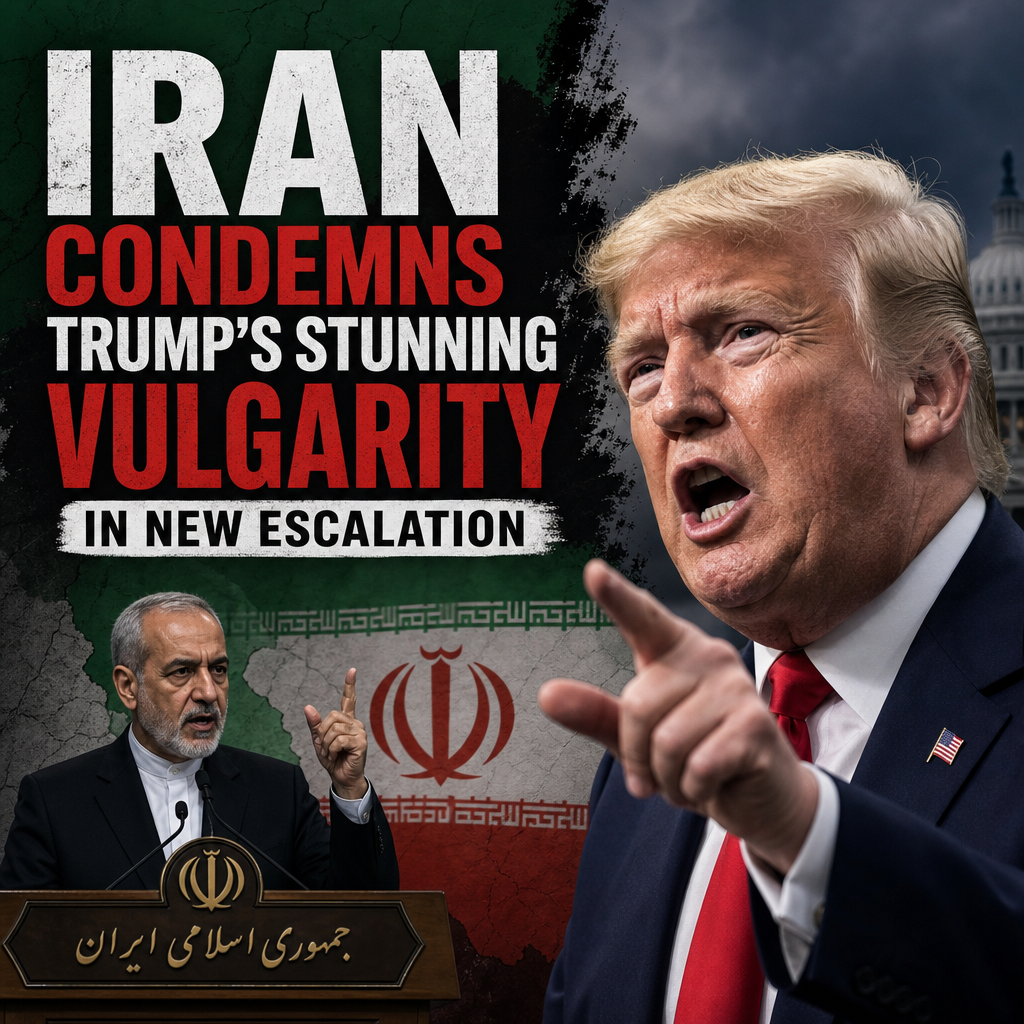
Iran’s condemnation of Donald Trump’s vulgar language has added another layer of bitterness to an already volatile confrontation, but the reaction also reflects something bigger than one offensive remark: a widening struggle over credibility, deterrence, and political messaging in the Middle East.
What stands out across reporting from multiple outlets is not just the insult itself, but how quickly it became part of a much larger diplomatic and security story. Iranian officials framed the comments as disrespectful and inflammatory, while international coverage showed the dispute being absorbed into broader debates about nuclear pressure, regional warfare, and the limits of U.S. leverage. In other words, the language may have been crude, but the consequences are being treated as serious.



Iran Condemns Trump’s Vulgarity Amid Mounting Tensions
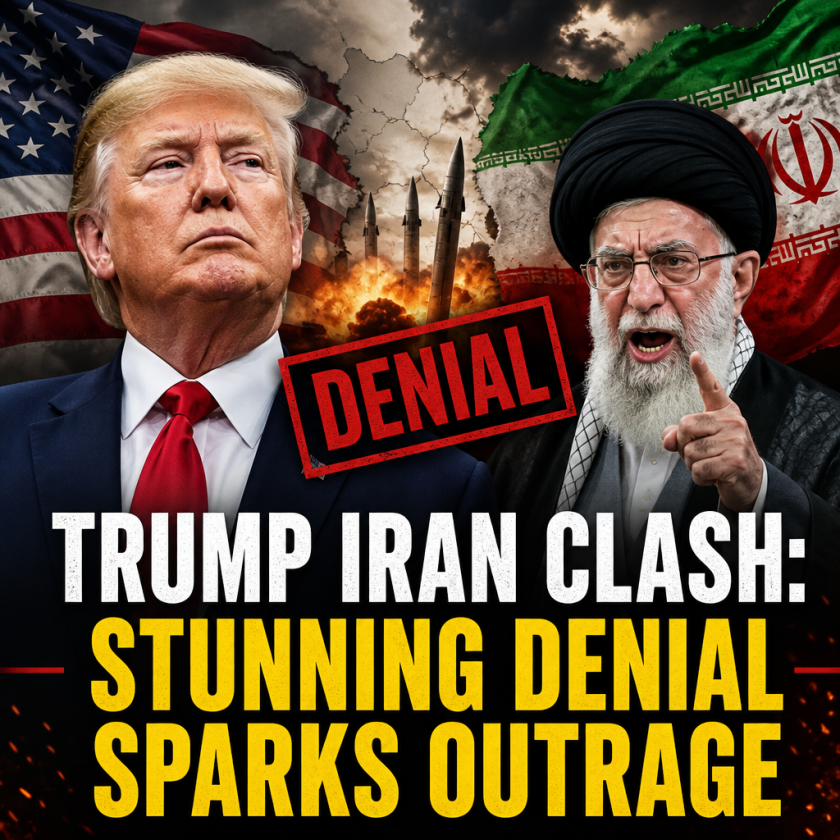
Tehran’s response was unsurprising in one sense: Iranian officials have long treated Trump’s rhetoric as evidence that Washington prefers humiliation over diplomacy. This time, the objection centered on vulgarity, but the underlying complaint was broader. Iranian leaders cast the remark as the kind of rhetoric that deepens mistrust and makes compromise harder, especially when relations are already strained by sanctions, military threats, and unresolved nuclear issues.
RT’s reporting on the Iranian reaction emphasized outrage and rejection, portraying the statement as a deliberate provocation rather than an accidental verbal slip. That framing aligns with how Iranian officials often interpret Trump’s style: not as bluntness, but as a political weapon. From Tehran’s perspective, crude language is not merely impolite. It signals contempt, and contempt can be useful when one wants to justify hardline policies at home.




At the same time, this reaction should not be read as purely symbolic. In the Iranian political system, language matters because it can be used to mobilize domestic support and strengthen the case for resistance. A public condemnation of Trump allows officials to present themselves as defenders of national dignity, especially if they believe the U.S. is trying to force concessions through pressure rather than negotiation.
The Wider Crisis Behind the Headlines
The sharper question is whether this episode changes anything meaningful. On that point, the answer seems to be: probably not by itself. But it does reveal how fragile the diplomatic landscape remains.
Al Jazeera’s broader coverage of Iran and regional tensions has consistently pointed to the complexity of the moment. The dispute is not happening in a vacuum. It sits alongside unresolved questions about Iran’s nuclear program, the impact of sanctions on ordinary people, and the broader security environment shaped by conflict involving Israel, Gaza, and neighboring states. In that context, a vulgar comment from a former U.S. president may sound like theater, but it lands inside a real crisis ecosystem.
There are at least three reasons this matters:
– It reinforces hardliners in Tehran, who argue that Washington is not serious about respectful diplomacy.
– It gives Trump’s critics more ammunition, since they can point to language that appears reckless or degrading.
– It distracts from substance, shifting attention away from policy disagreements and toward personality-driven outrage.
That last point may be the most important. In a media environment that rewards outrage, offensive language can dominate the cycle while structural issues go unresolved. The danger is that everyone ends up performing anger for domestic audiences while the real policy files—sanctions relief, nuclear monitoring, military de-escalation—remain stuck.
What Sky News Coverage Suggests About the Diplomatic Risk
Sky News’ international reporting has often highlighted how quickly verbal escalations can affect perceptions, especially when they involve major powers and unstable regions. Even if a remark is not followed by immediate military action, it can still shape calculations in foreign ministries, intelligence services, and markets. That matters because diplomacy is often less about formal statements than about whether each side believes the other is acting in good faith.
In this case, the risk is not that one crude insult alone will trigger a crisis. The risk is cumulative. When harsh rhetoric is added to sanctions, military posturing, and long-running mistrust, it becomes part of an atmosphere in which miscalculation is easier and de-escalation is harder. That is why officials in Tehran reacted so strongly: they are not just responding to words, but to the pattern those words fit into.
Still, it is worth resisting the temptation to oversimplify. Trump’s rhetoric has long appealed to supporters who see bluntness as honesty, and some would argue that his language merely exposes realities others prefer to hide. But foreign policy is not only about domestic applause. What sounds like strength in a rally can sound like humiliation abroad, and humiliation can narrow the space for negotiation.
A Fair Reading of the Moment
The most balanced view is that both sides are doing what they have done before. Trump relies on provocation and confrontation to project dominance. Iranian officials respond with indignation and nationalist resolve to show they will not be bullied. Each side understands the political value of escalation, even if neither wants a direct conflict.
That is what makes this episode important without necessarily making it decisive. The vulgarity itself is not the story’s end point. It is a reminder that diplomacy between the U.S. and Iran remains trapped in a cycle where rhetoric, symbolism, and security concerns feed each other.
The likely outcome, at least for now, is not a breakthrough but a further hardening of positions. If there is a lesson here, it is that words from powerful figures still matter—especially when they echo through a region already burdened by fear, mistrust, and unfinished business. The problem is not only that the language was offensive. It is that in this relationship, offensive language can become one more obstacle to any serious effort at de-escalation.