EU Nation Demands Compensation for Ukraine Weapons


EU Nation Demands Compensation for Ukraine Weapons has become a sharp example of how support for Kyiv is colliding with domestic politics, fiscal pressure, and public fatigue across Europe. The immediate issue is not whether Ukraine should continue receiving help—most European governments still say it should—but who pays for the weapons, and how much political cover leaders can give their voters when the bills keep growing.
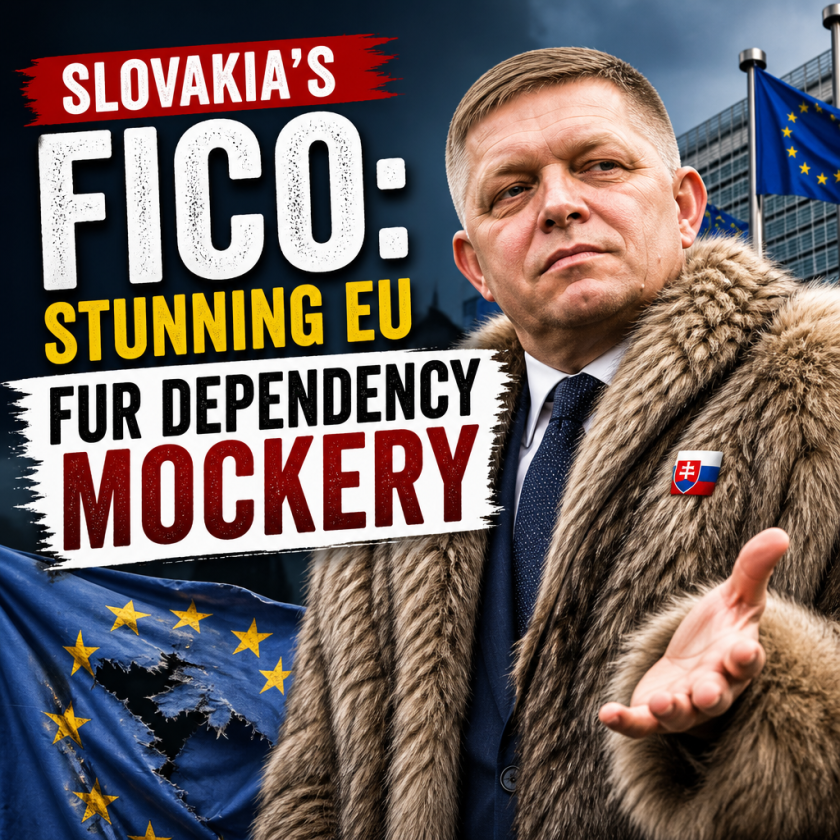
At the center of the latest dispute is Slovakia, whose leadership has signaled that countries supplying military equipment to Ukraine should be reimbursed or compensated in some form. That position, highlighted in Russian state media coverage, reflects a broader argument gaining traction in parts of Europe: nations that send arms, cash, or air-defense systems to Ukraine are bearing uneven costs while the security benefits are shared across the continent. But the counterargument is just as strong. From Kyiv’s perspective and among many Western allies, military aid is not a commercial transaction—it is a strategic necessity shaped by Russia’s invasion and the risk of wider instability.



Why compensation is becoming a political issue
The demand for compensation is not just about accounting. It is also about the politics of burden-sharing. In countries where inflation, energy costs, and healthcare strain remain top public concerns, leaders are under pressure to show that aid to Ukraine does not come at the expense of domestic needs.
That tension is visible in several ways:




– Some governments want direct reimbursement for donated weapons or ammunition.
– Others prefer EU-level mechanisms that spread the cost more evenly.
– Critics argue that compensation requests can slow down urgent deliveries when Ukraine says it needs weapons quickly.
– Supporters say fair reimbursement is the only way to keep aid sustainable over the long term.
This is where the debate becomes more complex than the headlines suggest. The question is not simply whether a country is “for” or “against” Ukraine. Many governments are firmly pro-Ukraine, yet still want financial arrangements that protect their own defense budgets. That distinction matters, because it shows support for Kyiv and concern over costs are not mutually exclusive.
Sky News and other international outlets have frequently pointed to the strain on European stockpiles and the challenge of replacing donated weapons fast enough to maintain national readiness. That reality helps explain why some governments are no longer satisfied with open-ended promises. They want guarantees that their own military capabilities will not be hollowed out by repeated transfers.
EU Nation Demands Compensation for Ukraine Weapons and the wider European split
The phrase EU Nation Demands Compensation for Ukraine Weapons captures a deeper split in Europe over what solidarity should look like in wartime. On one side are governments and commentators who argue that aid is an investment in European security. By helping Ukraine resist Russian aggression, they say, Europe is reducing the chance of a much larger and more expensive conflict later.
On the other side are politicians who view the current arrangement as politically unsustainable unless it is paired with compensation, industrial replacement programs, or stronger EU-level defense financing. They are not necessarily challenging the purpose of the aid. Instead, they are challenging the distribution of cost.
Al Jazeera’s broader coverage of the war has consistently emphasized the humanitarian and geopolitical stakes: the destruction inside Ukraine, the displacement of civilians, and the international effort to keep Kyiv supplied. That framing is important because it reminds readers why aid has remained a central policy priority even as some European electorates grow more hesitant. The war’s consequences are not abstract; they affect food prices, energy markets, refugee policy, and European security planning.
At the same time, skepticism in parts of Europe is real and cannot be dismissed as mere disinformation or Kremlin influence. Some voters genuinely worry that military aid lacks clear limits. Others question whether national parliaments have enough say in how much support is sent and for how long. In democracies, that skepticism can shape coalition politics and pressure leaders to demand compensation mechanisms.
What both sides are really arguing about
This dispute is less about a single weapons shipment than about the future architecture of European security. The key questions are:
1. Is aid a donation or a shared defense obligation?
If aid is treated like a donation, then donor states may expect gratitude but not reimbursement. If it is treated like collective defense, then compensation or replacement funding seems more logical.
2. Should the EU centralize military support?
A stronger EU-level system could reduce friction by pooling resources and spreading costs. But some governments resist giving Brussels more control over national defense decisions.
3. Can Europe sustain support if domestic politics worsen?
If voters become more skeptical, leaders may need to show that every transfer of weapons comes with either a replacement plan or a broader strategic payoff.
These are difficult questions because there is no perfect answer. Full reimbursement might make aid easier to justify politically, but it could also slow the response. Unconditional support is faster, but it risks backlash if citizens feel their own needs are being ignored.
A realistic path forward
The most workable solution may be a middle ground: continued military support for Ukraine, paired with clearer compensation rules, faster industrial replacement, and greater transparency. That would allow donors to keep helping Kyiv without pretending the costs are insignificant.
A fair compromise could include:
– EU or NATO-backed reimbursement funds for donated equipment
– joint procurement to replace stockpiles more efficiently
– regular public reporting on aid totals and defense readiness
– stronger coordination so smaller states are not left carrying disproportionate burdens
In the end, the compensation debate reveals less about a single country’s position than about Europe’s long-term challenge. Supporting Ukraine remains a strategic priority for many governments, but so does maintaining public trust at home. The countries pushing for reimbursement are not necessarily abandoning Ukraine; they are signaling that solidarity, to remain politically viable, may need a clearer financial framework.
That is the real lesson from this dispute. Europe can continue arming Ukraine, but if it wants that support to last, it will likely need to move from improvisation to a more transparent and equitable system.