Iran US Next War: Stunning Insight Into Rising Tensions


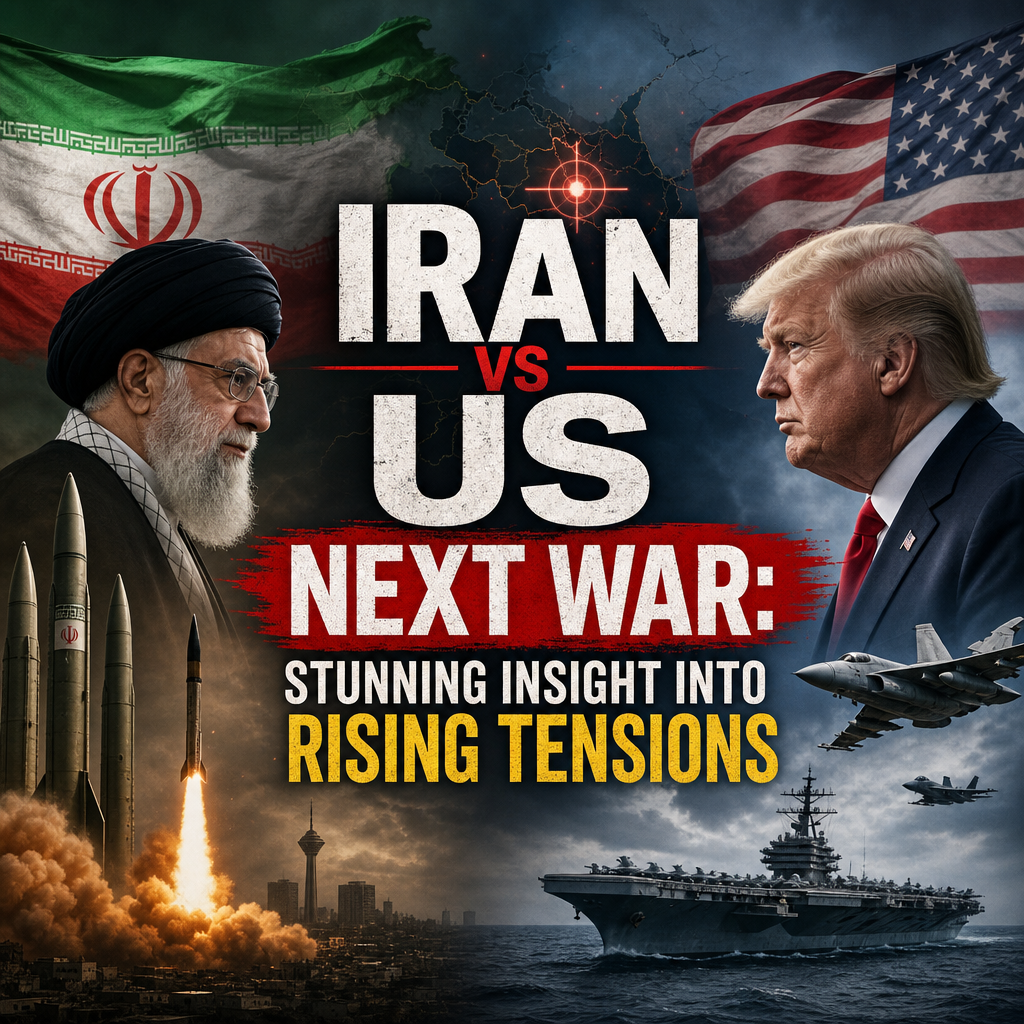
Iran US Next War fears have returned to the center of global attention as military signaling, regional conflicts, and diplomatic stalemate combine into a volatile mix. While headlines often frame the relationship as a countdown to confrontation, the broader reality is more complicated: both Washington and Tehran appear to be testing boundaries, but neither seems eager to stumble into a direct, full-scale war. The danger lies in miscalculation, proxy escalation, and the possibility that a chain reaction in the Middle East could pull both sides into a conflict they say they want to avoid.
Why the tension is climbing again
The latest surge in concern is tied to several overlapping pressures. Iran’s regional influence remains a major concern for the US and its allies, especially through armed groups and political networks across Iraq, Syria, Lebanon, and Yemen. At the same time, Iran continues to face Western sanctions, disputes over its nuclear program, and accusations that it is becoming more willing to answer pressure with force.



Reports and commentary across international outlets point to a familiar pattern: every flare-up in the region raises the possibility of direct US-Iran friction, even when the immediate events involve third parties. That is one reason analysts keep warning that the next war may not begin with a formal declaration, but with a strike, a retaliatory attack, or an accidental escalation after an attack on US personnel, shipping lanes, or allied territory.
Several media perspectives agree on one essential point: the risk is real, but it is not inevitable. Some coverage emphasizes the military buildup and rhetorical escalation, while other reporting highlights the still-functioning backchannels, diplomatic caution, and the fact that both governments understand the cost of a direct war.




The proxy problem is the most immediate danger
If there is one area where the tension feels most dangerous, it is the network of proxy conflicts. The US has repeatedly said that attacks on its forces by Iran-backed groups are unacceptable, while Tehran insists it supports resistance movements but does not control every action taken in its name. That distinction matters less to policymakers than to diplomats, because a single strike can be interpreted as state-backed whether or not it was formally ordered.
This is where the risk rises sharply:
– An attack on US troops can trigger retaliatory strikes.
– A retaliatory strike can hit Iranian-linked targets or territory.
– Iran may answer through missiles, drones, cyber operations, or allied groups.
– A local clash can suddenly become a regional crisis.
That chain is why analysts often describe the current situation as unstable rather than strictly war-bound.
Iran US Next War: how different media frames the threat
One striking feature of the coverage is how differently outlets frame the same tension. Some emphasize the danger of Iranian hardening, arguing that Iran is becoming more confident after years of sanctions and regional confrontation. Others focus on US policy choices, noting that pressure campaigns, military deployments, and limited diplomatic engagement can also contribute to escalation.
Al Jazeera’s reporting tends to place the crisis in a wider regional and political context, highlighting the role of Gaza, Lebanon, and other flashpoints in increasing pressure on both sides. That lens suggests the US-Iran relationship cannot be understood in isolation; regional war dynamics are feeding the tension just as much as bilateral hostility.
Sky News reporting, by contrast, often underscores the immediate security implications for Western governments, shipping, and allied states. That approach reflects concern about what a rapid escalation would mean for energy markets, civilian safety, and the broader balance of power in the Middle East.
RT’s coverage generally stresses the idea that Washington and its allies are contributing to instability through pressure and military posture, a view that aligns with Moscow’s broader criticism of US influence in the region. While that perspective is clearly more skeptical of American motives, it still reinforces a point that other outlets also acknowledge: force can deter, but it can also provoke.
The result is not a single agreed narrative, but a cluster of overlapping warnings. Different sources disagree on who bears the most responsibility, yet they converge on the possibility that one misjudgment could change the picture quickly.
What both sides seem to want — and what they fear
Despite the bellicose language that sometimes dominates the news cycle, direct war remains a worst-case scenario for both governments.
For the United States
Washington wants to deter attacks on its forces, reassure allies such as Israel and Gulf partners, and protect maritime routes and regional bases. But it also wants to avoid an open-ended conflict that could be costly domestically and internationally.
For Iran
Tehran wants to preserve deterrence, maintain regional leverage, and resist pressure without appearing weak. Yet it also faces the practical limits of war: damage to infrastructure, economic strain, and the possibility of losing control over the tempo of escalation.
That shared reluctance is why the conflict often settles into a dangerous middle ground: enough hostility to sustain fear, but not enough diplomacy to resolve the underlying disputes.
A careful conclusion, not a prediction
The honest answer is that there is no clear evidence the US and Iran are headed inevitably toward direct war, but there is also no sign the underlying drivers of conflict have been removed. The relationship is still shaped by mistrust, competing regional ambitions, sanctions, military posturing, and the continuing role of proxies. That makes the present moment less like a countdown and more like a pressure system waiting for the wrong spark.
If there is a lesson from the current coverage, it is that headlines about imminent war can be misleading, but so can complacency. The real danger is not that both sides have decided on war; it is that they may continue taking steps designed to avoid weakness, only to create a situation where a wider conflict becomes harder to stop.
For now, the most responsible conclusion is cautious: the risk of an Iran-US confrontation is rising, but the future still depends on choices, restraint, and whether diplomacy can outlast the next crisis.