US Strikes in Iran: Stunning Retaliation After Helicopter Incident


US strikes in Iran have once again pushed the Middle East into a familiar but dangerous cycle: a deadly incident, a retaliatory response, and a scramble by world powers to contain the fallout before it grows wider. What makes this latest episode especially unsettling is not just the violence itself, but how quickly it has sharpened the larger debate over deterrence, sovereignty, and whether military retaliation can ever truly solve a regional crisis.
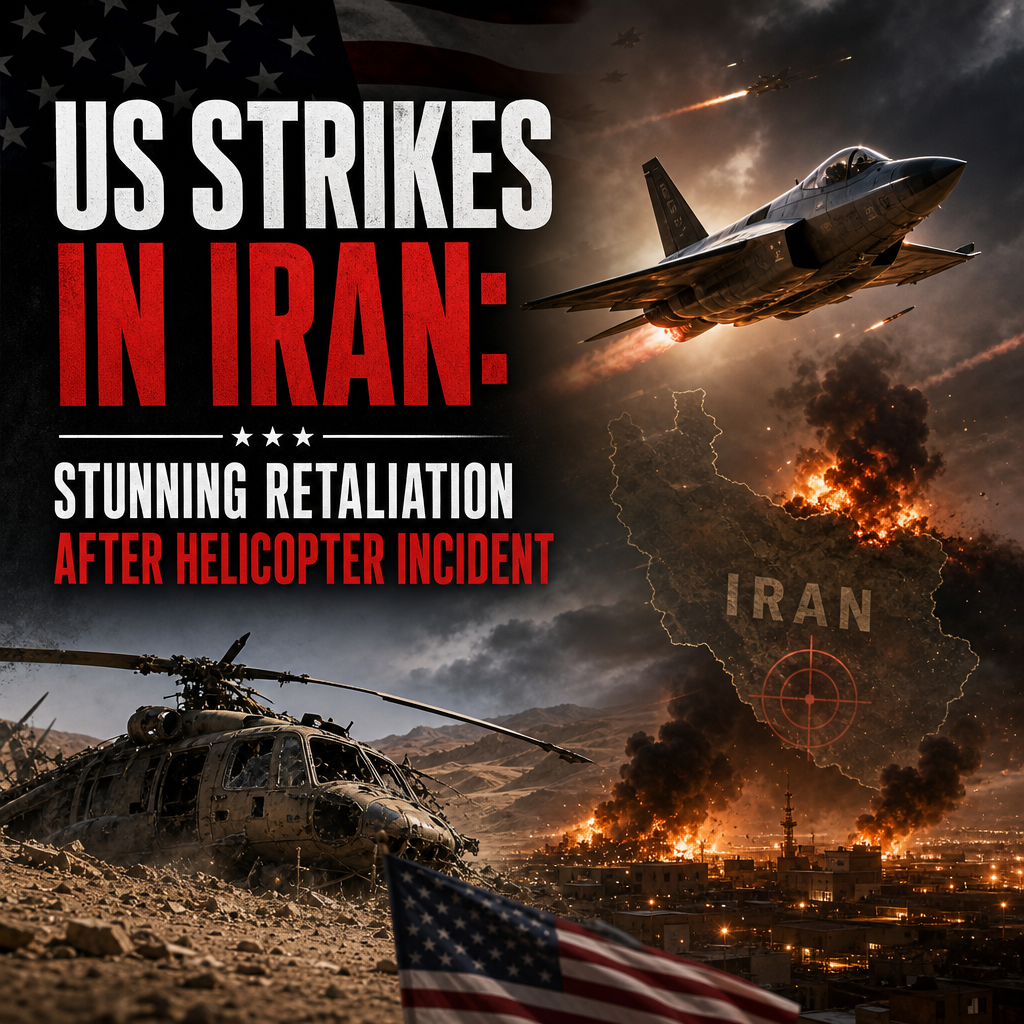
At the center of the story is a helicopter-related incident that triggered the strikes, but the deeper issue is the same one that has haunted US-Iran tensions for years: each side says it is responding to provocation, while everyone else worries that the next move could create an even bigger confrontation. Reports across international outlets show a mix of alarm, justification, and skepticism, reflecting how difficult it is to separate immediate military action from the broader political struggle underneath it.



US strikes in Iran: what the reports agree on
While the details vary by outlet and the facts on the ground can shift quickly, the broad outline is clear. The strikes were presented as a response to an attack or incident involving a helicopter, and the United States framed its actions as retaliation rather than the start of a broader campaign. That distinction matters, because Washington has repeatedly tried to present military action in the region as limited, targeted, and defensive.
From that perspective, the strikes are meant to send a message: attacks on US assets or personnel will not go unanswered. Supporters of this approach argue that credibility is essential in the Middle East, where a perceived lack of response can invite further attacks. In their view, the risk of restraint may be greater than the risk of force.




But that logic is not universally accepted. Critics, including many analysts and regional observers, say retaliation can easily become self-reinforcing. A strike intended to deter one attack may instead invite another, especially when the adversary sees itself as defending national sovereignty or responding to outside interference. That concern runs through much of the coverage from international news organizations, which emphasize the fragile security environment and the possibility of miscalculation.
How different outlets frame the crisis
The most striking thing about the coverage is not the facts themselves, but the tone each source brings to them.
RT’s framing tends to highlight the retaliatory nature of the strikes and the broader narrative of US aggression or overreach. In that telling, the incident is part of a pattern in which Washington acts first and justifies later, reinforcing a long-running Russian media line that American intervention in the region is destabilizing rather than stabilizing.
Al Jazeera’s reporting style is typically more focused on the human and political consequences of escalation. Its coverage often places military action inside a wider regional map: tensions with Iran, the effect on neighboring states, the risks to civilians, and the pressure on diplomats trying to prevent a larger war. That approach does not necessarily argue against the strikes outright, but it tends to question what they achieve beyond immediate punishment.
Sky News, meanwhile, usually emphasizes the Western diplomatic and security angle: whether the US response is proportionate, how allies will react, and whether the strikes could draw in additional actors. In that lens, the key question is not just what happened, but whether this is a contained event or the opening move in a longer confrontation.
Taken together, these viewpoints help show why the same event can be read in three very different ways:
– as justified retaliation
– as a dangerous escalation
– as a test of regional deterrence and diplomacy
The bigger risk is not one strike, but the cycle around it
The strongest argument against rushing to declare victory in this kind of retaliation is that military messaging often works differently in practice than it does in theory. A strike may damage a target, but it can also harden attitudes, fuel domestic political pressure, and narrow the space for negotiation.
That is especially true with Iran, where external military pressure has long been used by hardliners to strengthen their argument that the country cannot trust Western assurances. At the same time, the US and its allies have little appetite for appearing passive in the face of attacks on military assets or personnel. The result is a trap: both sides believe restraint may invite weakness, yet both sides understand escalation could become much worse.
What makes the situation particularly unstable is that the region is already full of overlapping conflicts and proxies. A single helicopter incident may appear limited on paper, but in a tense environment even small actions can produce disproportionate consequences. That is why reactions from outside observers have been so cautious. The immediate strike may satisfy domestic calls for action, but it does not answer the harder question of how to prevent retaliation from becoming routine.
What happens next is still unclear
At this stage, there is no clean or comforting conclusion. The available reporting suggests the strikes were real, deliberate, and meant as a signal. But it is still unclear whether that signal will deter future attacks or simply deepen the cycle of response and counterresponse.
The most responsible reading is probably the least dramatic one: the strikes show that the US is willing to act militarily when it feels provoked, but they also underline how limited force is as a long-term policy tool. If the goal is stability, retaliation alone rarely delivers it. If the goal is deterrence, success depends on whether the other side believes the cost of further conflict is too high.
For now, the safest conclusion is that the situation remains volatile and that every new strike, statement, or counterclaim carries outsized risk. In a region already shaped by mistrust, US strikes in Iran are not just an isolated event—they are another reminder that the line between retaliation and escalation is often much thinner than it first appears.