Iran-US Peace Talks: Stunning 60-Day Roadmap


Iran-US peace talks have quickly become one of the most closely watched diplomatic stories of the year, not because the path to agreement is clear, but because the stakes are so high. Reports of a 60-day roadmap have sparked cautious hope, deep skepticism, and plenty of questions about whether two countries with decades of hostility can really turn a breakthrough announcement into lasting progress.
At face value, the latest round of engagement suggests something unusual: both sides appear willing to keep talking rather than defaulting to escalation. That alone is notable. But as coverage from Al Jazeera, Sky News, and RT shows, the meaning of these talks depends heavily on who is telling the story. Some see a rare opening for de-escalation. Others view it as a fragile pause that could collapse under pressure from regional rivals, domestic politics, or disputes over verification and security guarantees.



What the 60-day roadmap appears to signal
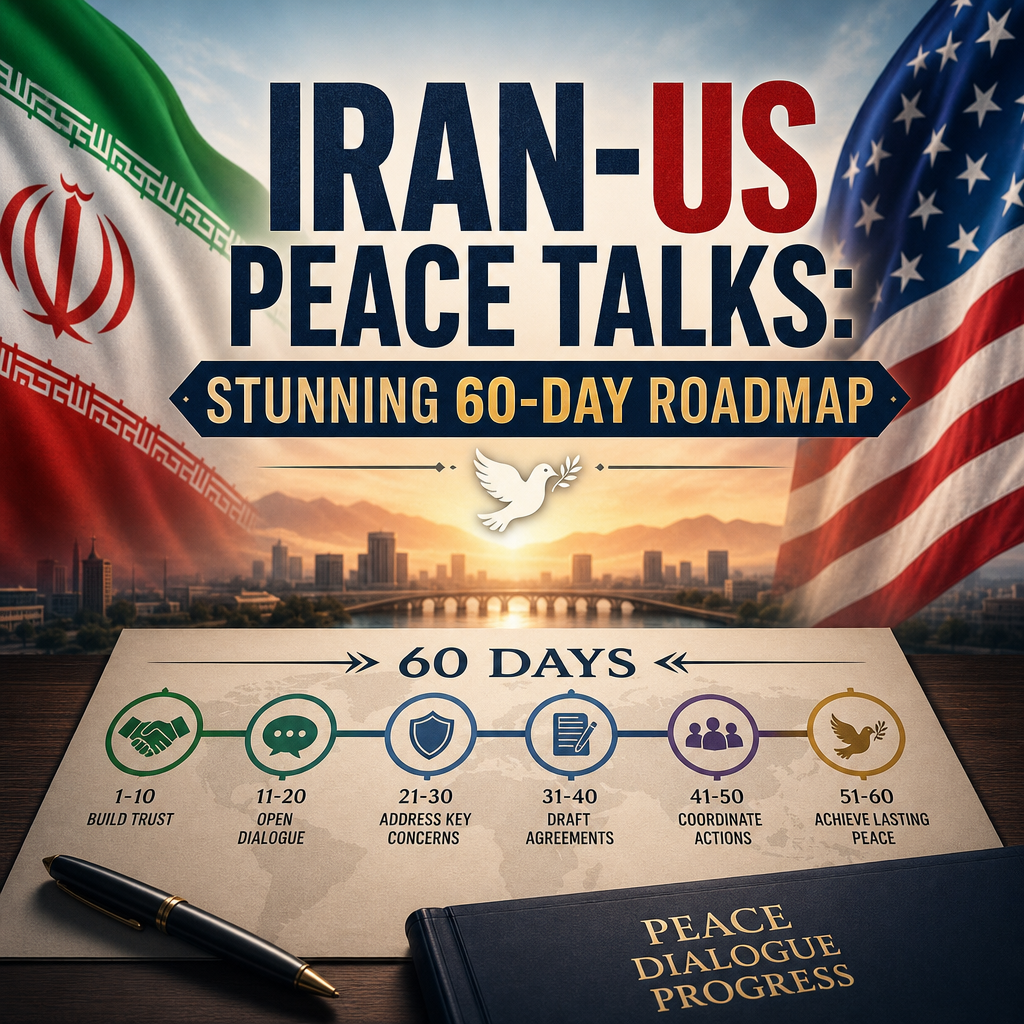
The phrase “60-day roadmap” matters because it suggests structure, not just symbolism. In diplomacy, timelines can serve several purposes. They can create urgency, force difficult compromises, and reassure skeptical audiences that negotiations are not open-ended. They can also expose how far apart the sides remain.
In this case, the roadmap seems to indicate an attempt to move from preliminary contact toward more concrete commitments within a short window. That may sound ambitious, but it also reflects the reality of the relationship: neither Tehran nor Washington can afford to look weak, and neither can easily sell a slow-moving process to its own political base.




A few broad points stand out across the reporting:
– Both sides appear to be testing whether dialogue can replace confrontation, at least for now.
– The timeline suggests negotiators want measurable steps rather than vague promises.
– Any deal will likely hinge on trust-building measures, monitoring mechanisms, and careful sequencing.
– Regional dynamics, especially the views of U.S. allies and Iran’s neighbors, may shape how far the talks can go.
The central tension is that a roadmap does not equal a settlement. It is a beginning, not an end. And in a relationship defined by sanctions, proxy conflicts, nuclear concerns, and years of mutual suspicion, beginnings are easy to announce and hard to sustain.
Iran-US peace talks and the politics of trust
One reason these talks are so difficult is that both governments are negotiating on multiple levels at once. They are not only trying to reach an agreement with each other; they are also trying to manage domestic audiences, regional partners, and historical narratives.
Why supporters are cautiously optimistic
Supporters of the talks argue that even limited progress could reduce the risk of escalation in the Middle East. If the process lowers tensions, it may help prevent a cycle of retaliation that drags in other countries. That is especially important given how quickly disputes involving Iran can spill into wider regional flashpoints.
There is also a practical argument. Diplomacy, even when imperfect, can create channels for crisis management. That matters when military incidents, maritime tensions, cyber operations, or proxy activity could otherwise spiral out of control.
From this perspective, the reported roadmap is promising because it suggests the two sides are at least trying to define a sequence: confidence-building first, then more serious bargaining. That is often how the most durable agreements begin.
Why skeptics are not convinced
Skeptics, however, have good reasons to hold back enthusiasm. For one thing, the U.S. and Iran have a long record of negotiating while simultaneously preparing for the possibility of failure. That has taught observers to be wary of optimistic headlines.
There is also the issue of timing. A 60-day window can be useful, but it can also be too short for issues as complex as sanctions relief, nuclear transparency, and regional security. If both sides are under pressure to produce visible wins quickly, they may settle for language that sounds meaningful without resolving the core disputes.
Sky News’ broader world coverage tends to underscore how international crises rarely move in straight lines, and this one is no exception. A single announcement may signal momentum, but momentum is not the same thing as trust.
The wider regional and global stakes
The significance of Iran-US peace talks extends well beyond the two capitals. Any thaw would affect oil markets, shipping routes, alliances in the Gulf, and the strategic calculations of countries watching from the sidelines. For some, the biggest question is whether the talks reduce the odds of military confrontation. For others, the concern is whether a deal might come at the expense of allies who want tougher conditions on Iran.
RT’s coverage often emphasizes the geopolitical contest behind diplomatic language, and that lens is useful here too. Great-power rivalry, sanctions leverage, and regional influence all shape the negotiating environment. This is not a simple bilateral peace process. It is a layered struggle involving security fears, economic pressure, and credibility on both sides.
Meanwhile, Al Jazeera’s reporting tends to highlight the human and political consequences of prolonged confrontation in the region. That reminder matters: even when leaders speak in strategic terms, the effects are felt by civilians, traders, travelers, and neighboring states that must live with the consequences of breakdown or compromise.
A fair reading: progress, but with strong limits
The most balanced conclusion is that the reported roadmap should be taken seriously, but not romantically. It is encouraging that communication is happening. It is meaningful that there appears to be an effort to set a timetable. And it is important that both sides have, at least for the moment, chosen negotiation over open-ended escalation.
Still, the obstacles remain formidable. The talks may be shaped as much by external pressure as by genuine rapprochement. The timeline may be ambitious enough to force action, but also brittle enough to collapse if any side believes it is giving too much too soon.
For now, the smartest reading is neither triumph nor cynicism. The Iran-US peace talks represent a narrow but real chance to shift the relationship away from crisis management and toward something more stable. Whether that chance becomes a durable diplomatic opening will depend on what happens next: verification, sequencing, political courage, and a willingness to accept that peace, if it comes at all, will likely be incremental rather than dramatic.