Iranians Divided: Stunning Peace Deal Near?


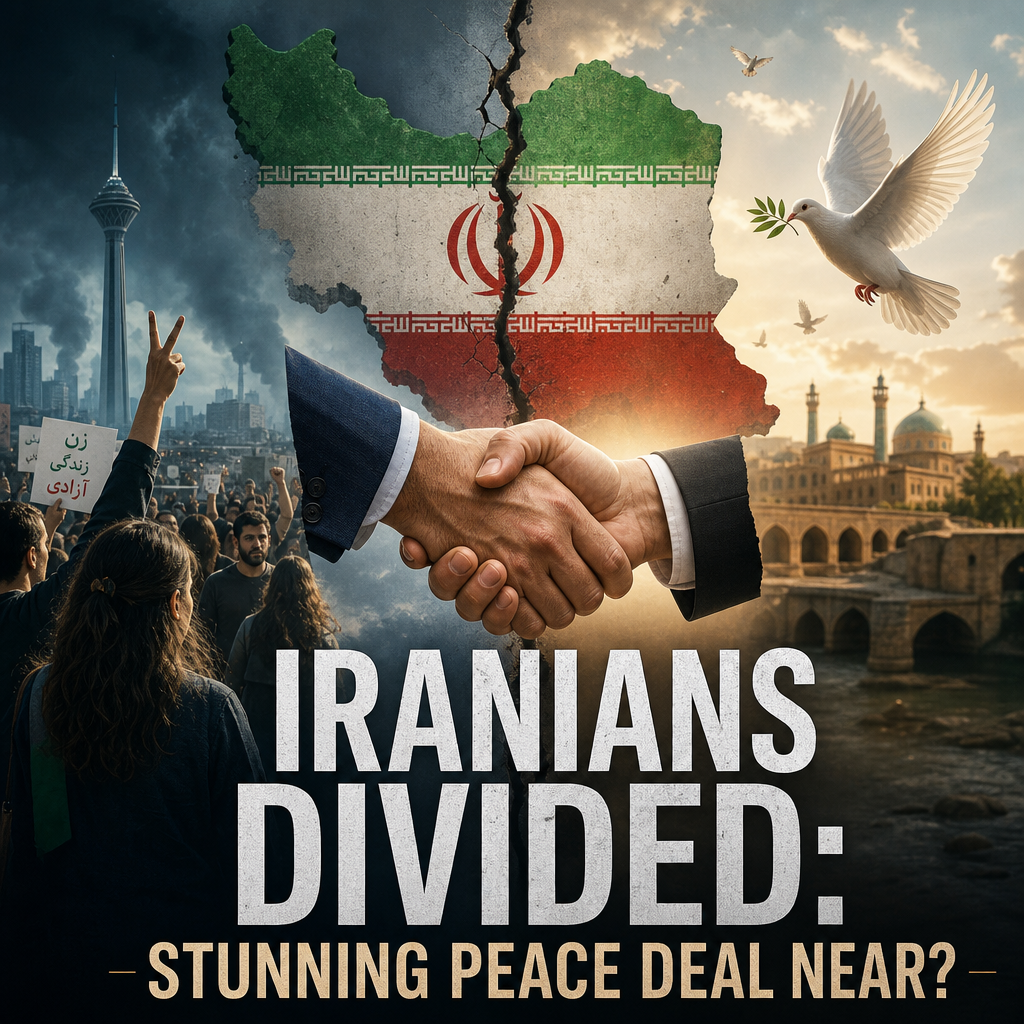
Iranians divided over the prospect of a peace deal as reports from both Washington and Tehran suggest an agreement may be within reach, but the mood on the ground remains far from unanimous. For many people inside Iran, the idea of a breakthrough brings a mix of relief, skepticism, and exhaustion after years of sanctions, regional tension, and diplomatic false starts.
Peace deal prospects in Iran: hope, caution, and deep skepticism
The clearest theme across recent coverage is that no single narrative captures the Iranian public mood. Some people see a possible deal as a long-overdue chance to stabilize the economy and ease pressure on ordinary households. Others worry that even if negotiators can announce progress, the result may be temporary, vague, or politically fragile.



That split makes sense. After years of sanctions and interrupted diplomacy, many Iranians have learned to treat big announcements cautiously. A deal near the finish line does not automatically mean daily life will improve quickly. Currency instability, inflation, and restricted access to global markets have all made people wary of promises that sound good on paper but take time to materialize — or disappear after a change in political winds.
At the same time, the reports point to a real appetite for relief. If negotiations can reduce the risk of escalation, families and business owners stand to benefit first. For them, peace is not an abstract diplomatic achievement; it is lower prices, more predictable trade, and a chance to plan beyond the next crisis.




What different sources emphasize
The reporting landscape itself reflects the complexity of the issue:
– Al Jazeera’s coverage focuses on the split inside Iran, highlighting that many citizens are not simply pro- or anti-deal, but torn between hope and distrust.
– Sky News-style international framing tends to stress the broader strategic consequences: whether an agreement would reduce regional tensions, influence energy markets, or reshape relations between Iran, the U.S., and allies.
– RT’s angle is typically more skeptical of U.S. intentions and often underscores the role of sanctions and Western pressure in creating the current standoff.
Taken together, these views suggest that the real question is not just whether a deal can be announced, but whether it can survive the political realities on both sides.
Why Iranians are split on peace prospects
The division inside Iran is not surprising when you consider the stakes. Support for diplomacy is often strongest among people who feel the economic burden most acutely. But skepticism is strongest among those who have watched earlier agreements unravel or fail to deliver meaningful change.
Several factors are shaping public opinion:
1. Economic pressure
Years of sanctions have weakened purchasing power and limited opportunity. Any agreement that promises even partial relief has obvious appeal.
2. Trust deficit
Many Iranians, like many observers abroad, question whether any deal can endure through election cycles, parliamentary resistance, or shifts in foreign policy.
3. Security concerns
Some fear that compromise could be interpreted as weakness, while others argue that continued confrontation is even riskier.
4. Regional spillover
Iran’s relations with neighboring states, proxy conflicts, and maritime tensions all affect how a peace deal is understood. A bilateral agreement cannot be separated from the wider Middle East context.
5. Public fatigue
Perhaps most importantly, many people are simply tired of uncertainty. Even those who doubt the deal may still prefer it to another cycle of escalation.
A deal near is not the same as a deal done
That distinction matters. In high-stakes diplomacy, “near” can mean anything from genuine final-stage talks to a cautious signal meant to test reactions. Until there is a signed agreement with clear enforcement mechanisms, the public is left to speculate.
And even if negotiators do reach a settlement, the hard part may begin afterward. Iran will want guarantees that sanctions relief is real and durable. The U.S. and its partners will want verification and compliance. Regional actors will want reassurance that any agreement does not simply freeze tensions while leaving the deeper disputes unresolved.
This is why the current moment feels both hopeful and unstable. A peace deal could ease pressure and reduce the chance of miscalculation. But it could also become another short-lived headline if the underlying mistrust is not addressed.
The bigger picture
The most honest reading of the situation is that both optimism and caution are justified. The fact that a deal appears possible is itself important; it suggests channels of communication remain open despite years of hostility. But the division inside Iran shows that public confidence is much harder to negotiate than diplomatic language.
If a deal does emerge, it will likely be judged less by the celebratory language surrounding it and more by what people feel in their everyday lives: whether prices stabilize, whether trade improves, whether the threat of conflict recedes, and whether leaders on all sides can resist the temptation to walk away when politics get difficult.
For now, Iranians are left balancing two competing possibilities — a genuine diplomatic opening, or yet another moment when peace seemed close but proved elusive. The truth may ultimately depend on whether negotiators can turn cautious signals into something durable enough to outlast the headlines.