
Alarming Surge in Lead Poisoning Cases in New Hampshire


Alarming Surge in Lead Poisoning Cases in New Hampshire
Overview
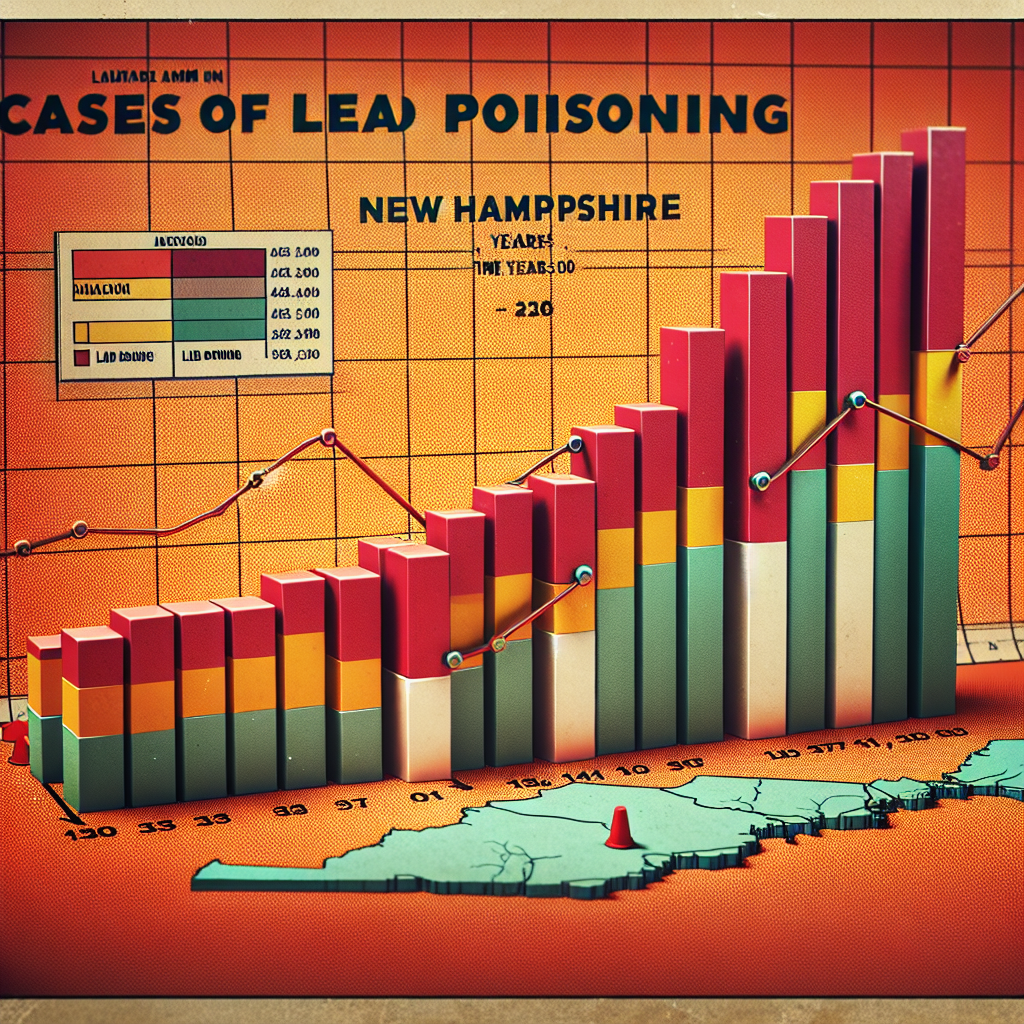
New Hampshire is witnessing a concerning rise in lead poisoning cases, prompting urgent public health responses. This surge is primarily affecting children, raising alarms among health officials and communities.
Key Factors Contributing to the Surge
- Old Housing Stock: Many homes in New Hampshire were built before the 1978 ban on lead-based paints, posing significant risks.
- Lack of Awareness: Insufficient public knowledge about lead hazards and prevention measures.
- Inadequate Testing: Limited lead testing in children, leading to underreporting and delayed interventions.
Health Implications
Lead poisoning can have severe health impacts, particularly on children, including developmental delays, learning difficulties, and behavioral issues. The long-term consequences necessitate immediate action to mitigate exposure.



Response and Mitigation Efforts
- Public Health Campaigns: Initiatives to raise awareness about lead risks and prevention.
- Policy Interventions: Calls for stricter regulations on lead testing and remediation in homes.
- Community Engagement: Efforts to involve local communities in identifying and addressing lead hazards.
Conclusion
The surge in lead poisoning cases in New Hampshire underscores the urgent need for comprehensive strategies to address this public health crisis. By enhancing awareness, improving testing, and enforcing stricter regulations, the state can protect its most vulnerable populations from the detrimental effects of lead exposure.